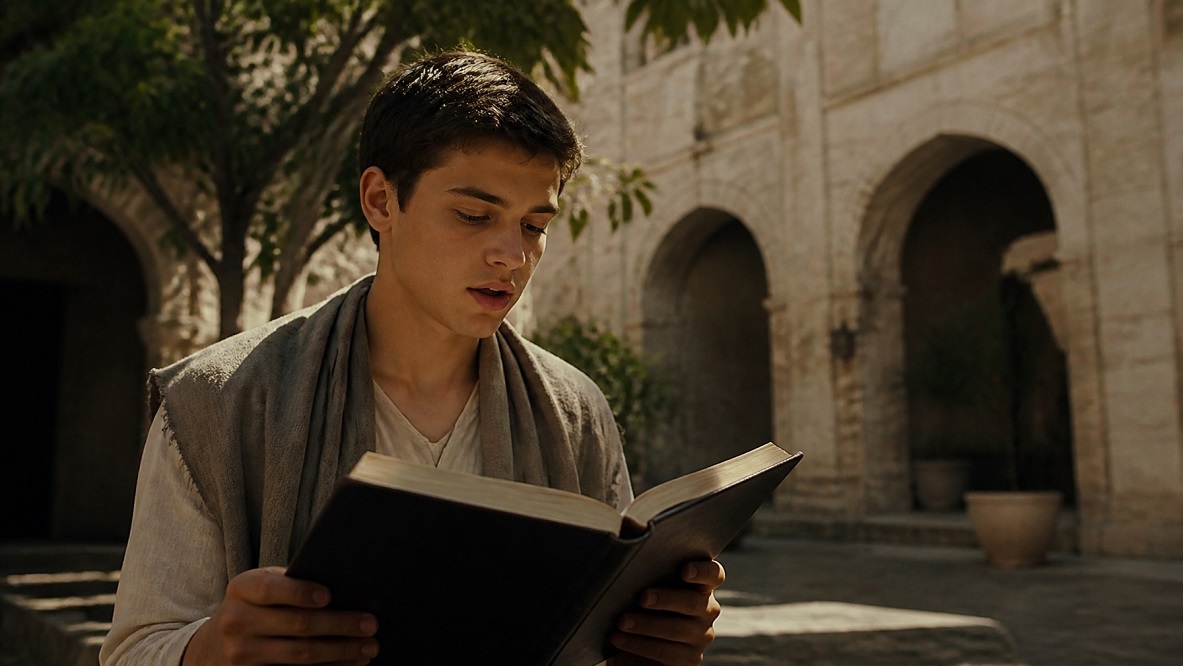
Memorization was once a core cultural skill, and in many places it still is. Oral traditions, from epic songs to proverbs, carry a community’s history, values, and know-how from one generation to the next, and UNESCO treats them as living heritage. The art is not gone, but it is fragile, and it survives where people keep practicing it together.
What Oral Traditions Include
UNESCO describes a wide range of spoken forms: proverbs, riddles, tales, nursery rhymes, legends, myths, epic songs and poems, prayers, chants, and dramatic performances. Some belong to a whole community, while others belong to particular groups such as elders, according to UNESCO’s overview of oral traditions.
In many societies, performing is a specialized role, and performers are respected as guardians of collective memory. UNESCO’s examples include the hudhud chants of the Ifugao, the Palestinian Hikaye, and the griots of Africa.
How Memory Keeps a Tradition Alive
Memorizing here does not always mean word-for-word recital. Oral traditions pass from person to person, so they change from telling to telling. UNESCO notes that each performance mixes reproduction, improvisation, and new creation.

That makes them lively and fragile at once. They survive only through an unbroken chain of performers, which is why each generation’s willingness to listen and learn matters so much.
Why Memory Craft Mattered in a World With Few Books
Before printing and screens, memory was a skill people trained on purpose. A page on the history of mnemonics notes that memory training was a core part of classical education, alongside grammar, logic, and rhetoric, and that techniques such as the method of loci were widely practiced in the ancient and medieval worlds.
Writer Lynne Kelly proposes in her book The Memory Code that oral cultures encoded knowledge in song, dance, story, and place, as a Monash University article explains. The article presents this as a theory, and much of its support comes from elders’ accounts and personal demonstration, so it is best read as an idea worth exploring.

What Is Fading and What Is Being Protected
UNESCO lists several pressures on oral traditions, including urbanization, migration, and media such as radio, television, and the internet. Epic poems that once took days to recite are sometimes cut to a few hours, and the loss of a language means the loss of its oral traditions.
The same overview describes hopeful responses: keeping traditions part of everyday life, passing them from elders to children at home and in schools, holding storytelling festivals, and recording style, tone, and gesture along with the words.
Traditional Memory Aids and the Modern Shelf
People have long paired memory practice with traditions of their own. Bacopa, for example, has traditionally been used in Ayurveda to support study, and researchers continue to study it.
Some modern wellness brands blend such ingredients into current formulas. Mind Lab Pro is one example, an 11-ingredient blend whose label lists Bacopa, citicoline, phosphatidylserine, Lion’s Mane, Rhodiola, N-acetyl L-tyrosine, L-theanine, maritime pine bark extract, and B-vitamins.
Ways to Revive the Art of Memorization
- Learn one poem or song by heart and recite it aloud.
- Ask an elder for a family story, then practice telling it yourself.
- Collect a few proverbs from your own culture or language.
- Teach a child a rhyme or a chant, since traditions live in the people who share them.
- Attend a storytelling night or festival and listen closely.
- Tie new facts to a familiar route or room to give your memory a map.
Common Questions About Oral Traditions
What Are Oral Traditions?
Oral traditions are knowledge and artistic forms passed on by word of mouth, including stories, songs, proverbs, prayers, and epics. They carry a community’s history, values, and shared memory.
Do Oral Traditions Change Over Time?
Yes. Because each telling is a performance, oral traditions mix reproduction, improvisation, and new creation. That flexibility is part of how they stay alive.
Is Memorization Still Worth Practicing Today?
Many people find that memorizing a poem, a song, or a family story keeps a cultural practice alive and gives them something meaningful to share, even when a phone could hold the text.