
The signs a plant-based eater may be low in omega-3 are subtle, so a blood test is the only way to know for sure. Rough, dry skin is the classic clue, but most symptoms are vague and have many other causes. Vegans tend to run lower in EPA and DHA, and the fix is simple.
Why Plant-Based Eaters Can Run Low in EPA and DHA
Fish and other seafood are the main dietary sources of EPA and DHA, the long-chain omega-3s your cells use most. When fish is off the menu, your intake of these two fats can drop close to zero.
Plant foods such as flax, chia, and walnuts provide ALA instead. The NIH Office of Dietary Supplements says your body can convert some ALA into EPA and DHA, but only in very small amounts. Several studies have found that vegetarians and vegans have lower blood levels of EPA and DHA than people who eat fish.

Possible Signs of Low Omega-3 Levels
Here is the honest part: true omega-3 deficiency is very rare in the United States, according to the NIH. Most of the signs people list online are clues at best, not proof.
- Rough, scaly skin or a red, itchy rash. This is the classic sign of a true deficiency, but it has many other causes, so get it checked rather than assuming.
- Dry, uncomfortable eyes. Some studies suggest omega-3s may ease dry eye symptoms, but results are mixed, so this clue is shaky.
- No direct source of EPA or DHA in your routine. If you do not eat fish, take algae oil, or use fortified foods, this is the strongest clue of all, and it needs no symptoms.
Fatigue, brain fog, and low mood get blamed on omega-3 a lot, too. Those have countless causes, so treat them as a reason to talk with your doctor, not as a diagnosis.
How an Omega-3 Index Test Shows Where You Stand
The omega-3 index measures EPA plus DHA in your red blood cells as a percentage of total fatty acids. Dried blood spot kits can measure it from a finger prick. Some researchers say an index above 8 percent is linked with better health outcomes, though that target is still debated.
One study published in Clinical Nutrition measured 165 vegans and found an average omega-3 index of 3.7 percent. That was similar to a group of omnivores who also ate very little EPA and DHA, so low levels are not only a plant-based issue. Fish eaters can be low too.
Simple Ways to Raise Your EPA and DHA
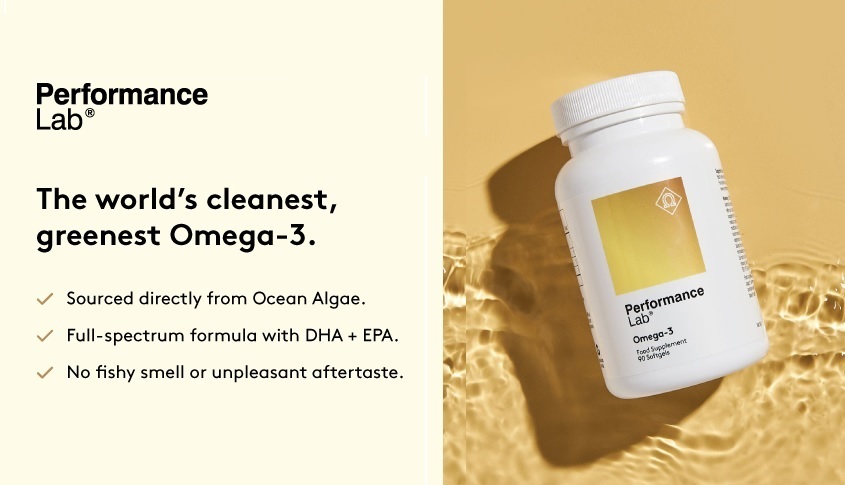
The most direct fix is an algae-based omega-3 supplement, since algae are where fish get these fats in the first place. In that same study, 46 vegans with a low starting index took 254 milligrams of EPA plus DHA per day for four months. Their average index rose from 3.1 to 4.8 percent.
Check the Supplement Facts panel for the actual EPA and DHA amounts per serving, and keep eating your ALA foods, too. If you are pregnant, nursing, or taking blood thinners, ask your doctor about the right amount before you start.
Your Next Step for Better Omega-3 Status
You do not need to hunt for symptoms. Look at what your routine includes: if there is no direct source of EPA or DHA, adding one is a low-effort move. If you want a number, an omega-3 index test gives you a baseline, and a retest after a few months shows whether your routine is working.
Low Omega-3 in Plant-Based Eaters Frequently Asked Questions
Can you tell if you are low in omega-3 from symptoms?
Not reliably. Rough, scaly skin is the classic sign of a true deficiency, but most other symptoms are vague and have many causes. A blood test such as the omega-3 index is a better guide.
Do all vegans have low omega-3 levels?
No, but many run lower than fish eaters. One study of vegans found an average omega-3 index of 3.7 percent, similar to omnivores who eat very little EPA and DHA.
How long does it take to raise your omega-3 index?
It depends on your starting point and dose. In one study, vegans taking 254 milligrams of EPA plus DHA daily saw their average index rise from 3.1 to 4.8 percent over four months.