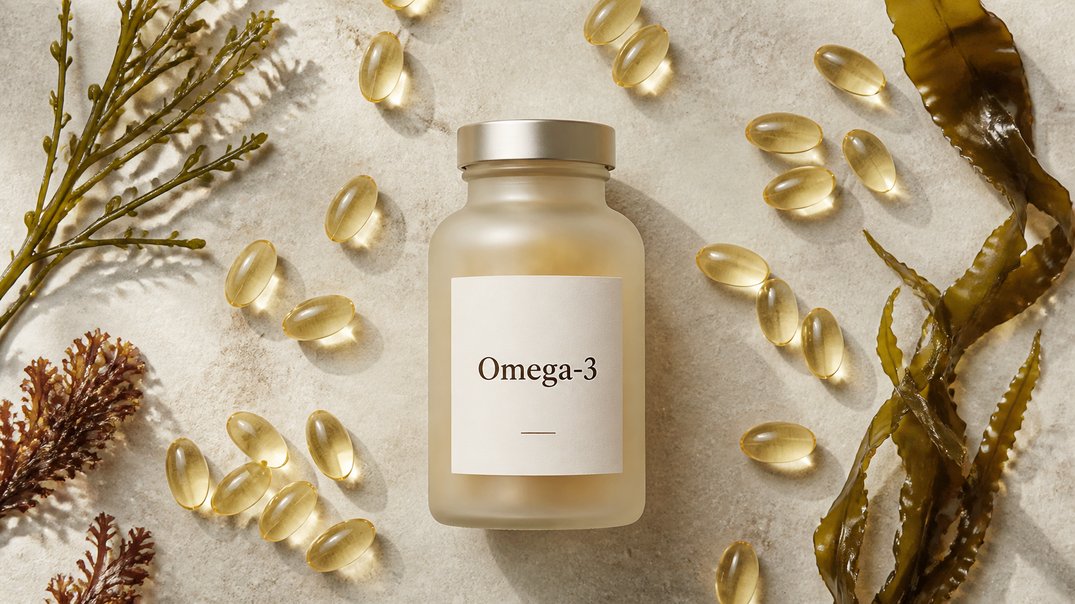
Some algae omega-3 supplements cost more because the oil is grown in controlled fermentation tanks, refined in several steps, and tested for quality, all without fish. The good news is that the price gap with fish oil has been narrowing. Here is what you are paying for and how to get the best value.
What Goes Into the Price of Algae Omega-3
Most algae omega-3 starts in large fermentation tanks, where microalgae feed on sugar and grow without sunlight. It is a precise, indoor process, and running it at scale is a real investment. A review of the field notes that high production costs are one of the main challenges for microbial DHA, and one industry paper observes that algal oil production is expensive but that process improvements and economies of scale have lowered the final cost.
The payoff is consistency. Growing algae in tanks means every batch starts from a controlled source, with no dependence on wild fish or ocean conditions. You can read more in this review of marine microbial DHA production.

Refining, Testing, and Packaging Add Value
After fermentation, the oil is separated from the cells and refined through steps such as degumming, neutralization, decolorization, and deodorization. Then comes protection: natural antioxidants, careful packaging, and often third-party testing for purity and potency.
Many brands also use plant-based capsule shells, which suit vegan and allergy-conscious shoppers. Each of these steps makes the finished supplement cleaner, fresher, and easier to trust, and each adds a little to the price.
Why the Price Gap With Fish Oil Is Shrinking
Algal oil has historically cost roughly two to three times as much as typical fish oil. But fish oil supply swings with fishing seasons and ocean conditions, and when anchovy catches have dropped, fish oil prices have jumped. A 2026 report noted that algal oil became a cost-competitive alternative amid fish oil shortages, and was even cheaper than fish oil for a brief stretch during the last El Niño.
Industry analysts have also predicted that the gap will keep narrowing as production improves. In other words, today’s price is a snapshot of a trend heading the right way.
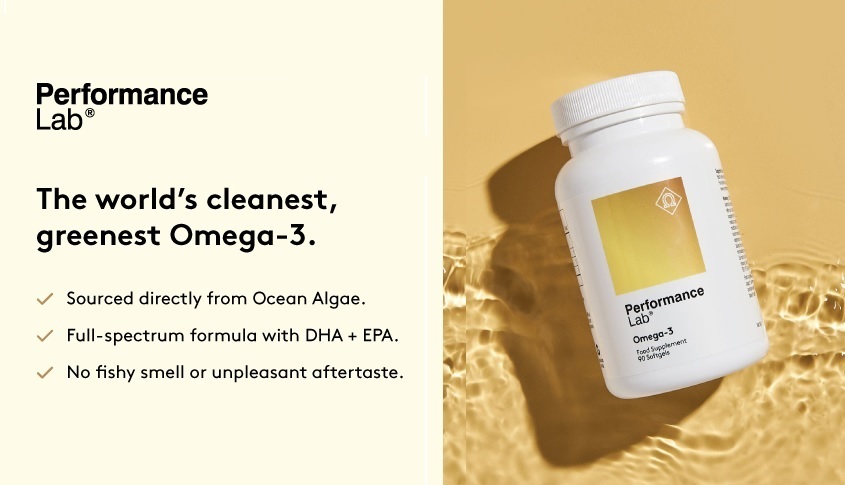
How to Compare Algae Omega-3 Value Fairly
Bottle prices can mislead, because capsules differ in how much EPA and DHA they contain. The fair comparison is cost per 100 milligrams of EPA plus DHA. Here is a quick example: a $30 bottle with 60 capsules at 300 milligrams of EPA plus DHA each holds 18,000 milligrams in total, which works out to about 17 cents per 100 milligrams.
Run the same math on two or three products and a clear winner usually appears. A pricier bottle with a higher concentration can cost less per milligram than a cheaper one.
Smart Ways to Save Without Cutting Corners
- Compare cost per 100 milligrams of EPA plus DHA instead of price per bottle.
- Choose a concentration that fits your goal, since fewer, stronger capsules can be more economical.
- Buy larger bottles when you are sure of the brand, and store them in a cool, dark place so none goes to waste.
- Keep third-party testing on your must-have list. It is the one place not to economize.
Is Algae Omega-3 Worth the Price?
For vegans, vegetarians, and people who avoid fish, algae omega-3 is a direct route to EPA and DHA that plant foods cannot match. Spread across a daily serving, the cost is often modest, and the fish-free, controlled source is the reason many people choose it.
Algae Omega-3 Pricing Frequently Asked Questions
Is algae omega-3 more expensive than fish oil?
Often, yes, though the gap has narrowed. Algal oil has historically cost two to three times as much as typical fish oil, and it has been cost-competitive during fish oil shortages.
Are expensive algae supplements better?
Not automatically. Price reflects concentration, testing, and capsule type, so compare the EPA and DHA per serving and look for third-party testing.
Will algae omega-3 get cheaper?
Industry reviews point to process improvements and economies of scale lowering costs over time, and analysts have predicted that the price gap with fish oil will keep narrowing.