

In adults with a diagnosed growth hormone deficiency, replacement has improved quality-of-life measures in several studies, although a review calls the randomized evidence controversial. In healthy older adults, trials of pharmaceutical HGH improved body composition without clear gains in strength or function, and one trial found better scores on a hormone-related quality-of-life questionnaire alongside increased bodily pain.
Quality of Life in Growth Hormone Deficiency
A review on PubMed states that the quality of life of hypopituitary adults without replacement is clearly impaired, and that the benefits of HGH in randomized trials remain controversial, with some studies showing benefits and others refuting them. A follow-up study of 39 patients with adult-onset deficiency reported that QoL scores, including the vitality dimension of a general health survey, improved during 33 months of individually dosed replacement. Those studies involve a diagnosed medical condition and physician-managed treatment.
What Trials in Healthy Older Adults Found
In a randomized trial of 80 healthy men aged 65 to 80, low-dose pharmaceutical HGH increased lean body mass and improved scores on an age-related hormone-deficiency quality-of-life questionnaire, and bodily pain scores on a general survey rose with HGH alone. A randomized trial of 52 older men found that body composition improved but functional ability did not. The JAMA study, summarized in a paper in Hormone Research, reported beneficial effects together with a high percentage of adverse effects after 26 weeks of treatment.
What Newer Work Suggests
A Nature Reviews Endocrinology commentary notes that earlier randomized trials of growth hormone in the elderly reported body composition improvements without benefits for strength or physical function, and it describes a newer study that hints at potential benefit for elderly people with functional decline. That is a hint and not a conclusion, and it shows the field is still learning.
What Quality of Life Really Depends On
Quality of life reflects mobility, independence, mood, relationships, sleep, and health conditions, among other things. A hormone can influence some of these, and none of them depend on a single molecule. That is why researchers use questionnaires, physical tests, and long follow-up, and why the answers vary between studies.
What This Means for You
Quality-of-life questionnaires reflect how people feel, so placebo-controlled designs matter, and results in adults with a diagnosed deficiency describe that group. Cleveland Clinic notes that in healthy people, HGH release is stimulated by sleep and exercise, among other factors.
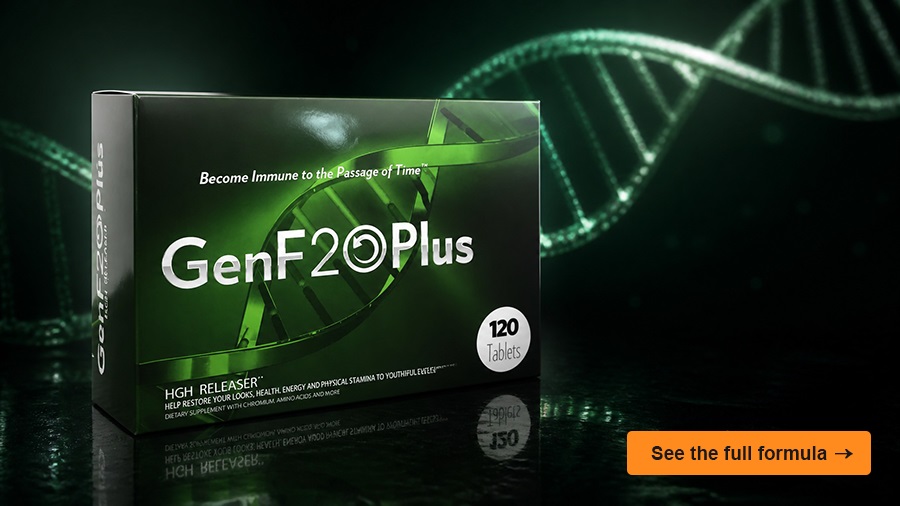
How HGH Releasers Differ From Prescription HGH
This article covers research on pharmaceutical HGH in medical and research settings. Prescription HGH is an injectable medicine that doctors prescribe for specific medical conditions. HGH releasers are a separate category: over-the-counter dietary supplements formulated with ingredients, such as amino acids and other nutrients, intended to support your pituitary gland’s own release of HGH. The two are different products and are studied separately. Like other dietary supplements, HGH releasers are not intended to diagnose, treat, cure, or prevent any medical condition.
Where HGH Releasers Fit Into a Healthy Routine
Men who take a releaser typically do so as one part of a routine that includes training, nutrition, and rest. If you are curious about trying one, it is sensible to check with your doctor first, particularly if you take medication or have an existing health condition.
Frequently Asked Questions About HGH and Quality of Life
Are HGH Releasers the Same as Prescription HGH?
No. Prescription HGH is an injectable medicine used for specific medical conditions. HGH releasers are over-the-counter dietary supplements formulated to support the body’s own natural growth hormone release.
Does HGH Improve Physical Function in Older Adults?
In a randomized trial of healthy older men, pharmaceutical HGH improved body composition but not functional ability.
Should I Talk to My Doctor Before Trying an HGH Releaser?
Checking with your doctor is a smart step, especially if you take medication or have a health condition. Your doctor can help you decide whether a supplement fits your situation.