

It may, but mainly in adults with a diagnosed deficiency. Studies here mostly track energy and vitality as stand-ins for drive, and some patients on pharmaceutical HGH describe feeling more motivated. Controlled evidence is more cautious.
Energy and Vitality in Growth Hormone Deficiency
Studies usually measure motivation indirectly. A common well-being questionnaire has a vitality subscale instead. In a follow-up study on PubMed of 86 patients, adults with growth hormone deficiency scored worse than matched controls for energy. In an open follow-up study of 39 patients over 33 months, vitality scores on a common health survey improved, although open designs cannot rule out placebo effects.
What Patients on Pharmaceutical HGH Report
In a patient panel, adults with growth hormone deficiency described more energy and motivation, less fatigue, and better mood on treatment. These were personal accounts, not a placebo comparison. Early placebo-controlled trials, summarized by Endotext, suggested about half of patients with impaired quality of life improved noticeably, most often those with severe deficiency and low energy.
Why Controlled Trials Are More Cautious
Pooling placebo-controlled trials, a meta-analysis found no clear advantage over placebo at about six months. Improvements versus baseline were large at three months and small by twelve. That pattern leaves room for placebo effects, since participants who know they are treated may report more drive simply because they expect to.
What This Means for You
Motivation is hard to measure, and a person may feel more driven because sleep, mood, or general health improved. Cleveland Clinic notes that in healthy people, HGH release is stimulated by sleep and exercise, among other factors.
When to Talk to a Provider
Ongoing loss of drive, especially with low mood, deserves professional attention. MedlinePlus notes that growth hormone testing is uncommon in adults because other disorders are more likely explanations. If mood becomes severe or you have thoughts of self-harm, contact a mental health professional or emergency services. In the United States, you can call or text 988.
How HGH Releasers Differ From Prescription HGH
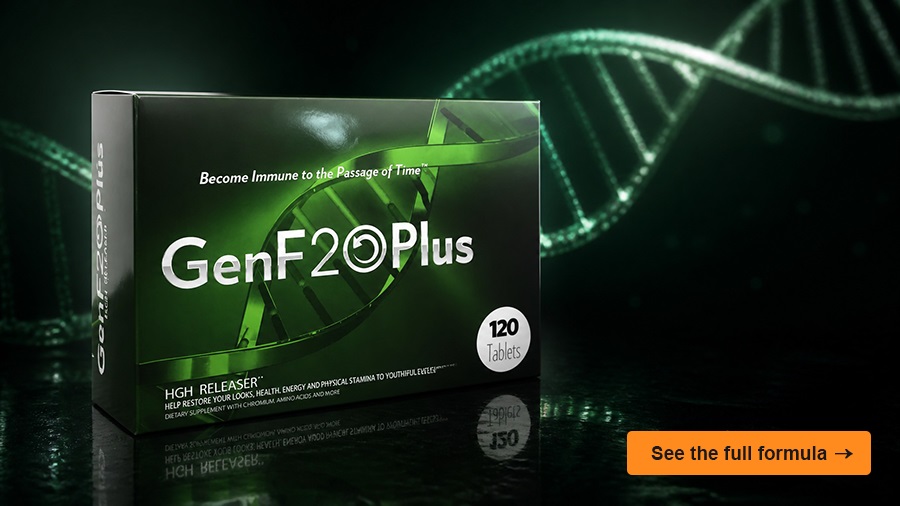
Every study described here involved pharmaceutical HGH given to adults with diagnosed growth hormone deficiency. Prescription HGH is an injectable medicine that doctors prescribe for specific medical conditions. HGH releasers are a separate category: over-the-counter dietary supplements formulated with ingredients, such as amino acids and other nutrients, intended to support your pituitary gland’s own release of HGH. The two are different products and are studied separately. Like other dietary supplements, HGH releasers are not intended to diagnose, treat, cure, or prevent any medical condition.
Where HGH Releasers Fit Into a Healthy Routine
Men who take a releaser typically do so as one part of a routine that includes training, nutrition, and rest. If low motivation persists or you suspect a medical condition, talking with your doctor comes first.
Frequently Asked Questions About HGH and Motivation
Are HGH Releasers the Same as Prescription HGH?
No. Prescription HGH is an injectable medicine used for specific medical conditions. HGH releasers are over-the-counter dietary supplements formulated to support the body’s own natural growth hormone release.
Does Low Motivation Mean My HGH Is Low?
Not necessarily. Reduced drive has many possible causes, and growth hormone testing is uncommon in adults because other disorders are more likely explanations.
Should I Talk to My Doctor Before Trying an HGH Releaser?
Checking with your doctor is a smart step, especially if you take medication or have a health condition. Your doctor can help you decide whether a supplement fits your situation.