
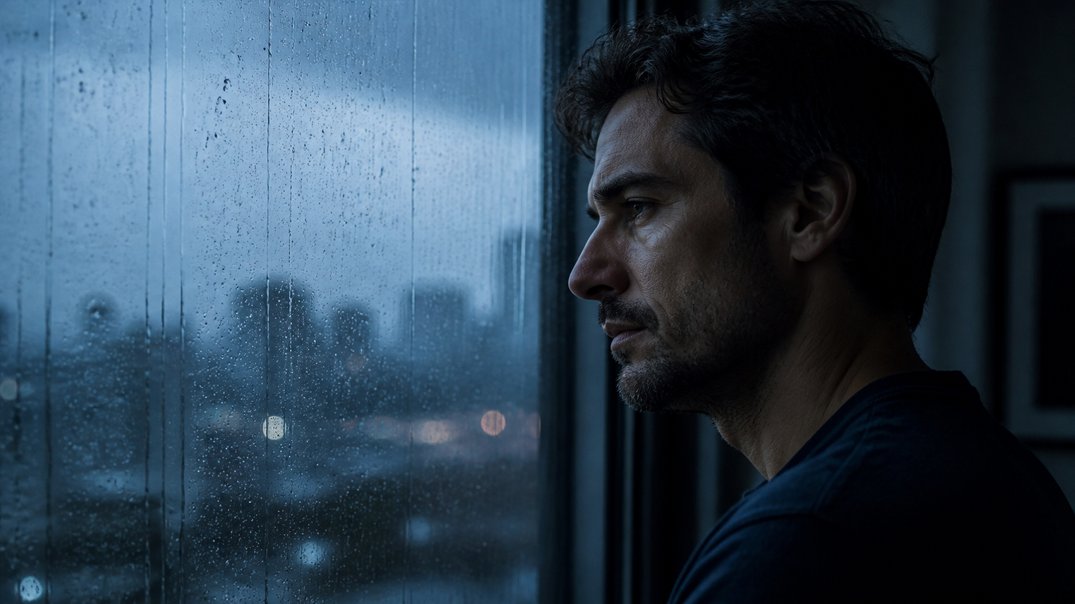
Some studies of adults with diagnosed growth hormone deficiency report better well-being during pharmaceutical HGH treatment, but pooled placebo-controlled trials show no clear advantage for anxiety or stress. Research has looked at anxiety mainly in this group, and the results are mixed.
Well-Being in Adults With Low Growth Hormone
Adults with untreated growth hormone deficiency often report lower well-being. A follow-up study on PubMed of 86 patients found lower scores for energy, social isolation, and emotional reaction than matched comparison adults. A paper on well-being questionnaires adds that these patients may also describe irritability, anxiety, and mood swings. Researchers use questionnaires and matched comparison groups to look for these patterns.
What Happened When Treatment Was Stopped
In a double-blind trial, 12 of 21 adults with severe deficiency stopped pharmaceutical HGH for three months while nine continued. The authors concluded that stopping treatment had detrimental psychological effects. The trial was small and involved people with a diagnosed deficiency, so it says little about healthy men.
Why the Overall Evidence Is Mixed
Open-label studies, where everyone knows they are getting treatment, look favorable. A meta-analysis of open studies found a medium improvement in well-being. Yet when trials with a placebo group were pooled, the overall effect after about six months was not better than placebo, and placebo effects could not be ruled out. Another meta-analysis found improvements from baseline were large at three months but small by twelve.
What This Means for You
Most trials enrolled adults with diagnosed deficiency rather than healthy men under everyday pressure, and results tend to look stronger without a placebo group.
When to Talk to a Provider
Persistent anxiety or low mood deserves professional attention, whatever its cause. If mood becomes severe or you have thoughts of self-harm, contact a mental health professional or emergency services. In the United States, you can call or text 988.
How HGH Releasers Differ From Prescription HGH
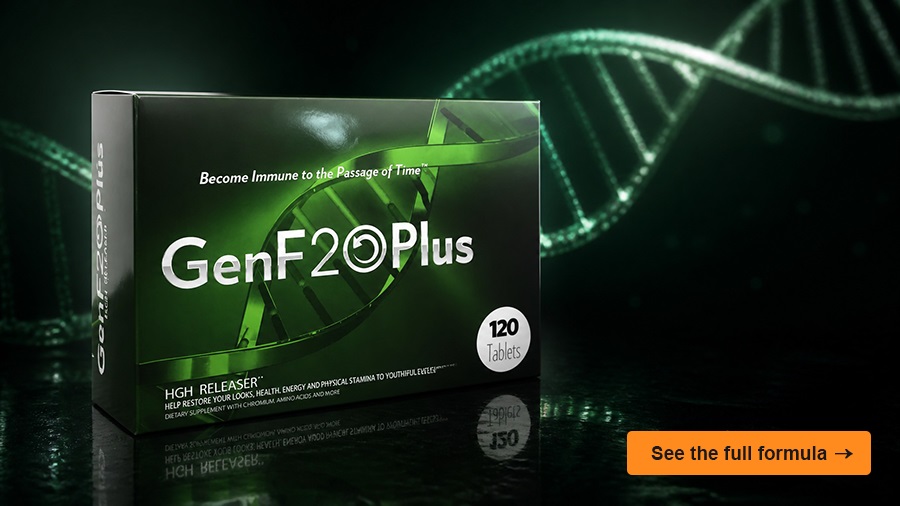
Every trial described here involved pharmaceutical HGH given to adults with diagnosed growth hormone deficiency. Prescription HGH is an injectable medicine that doctors prescribe for specific medical conditions. HGH releasers are a separate category: over-the-counter dietary supplements formulated with ingredients, such as amino acids and other nutrients, intended to support your pituitary gland’s own release of HGH. The two are different products and are studied separately. Like other dietary supplements, HGH releasers are not intended to diagnose, treat, cure, or prevent any medical condition.
Where HGH Releasers Fit Into a Healthy Routine
Men who take a releaser typically do so as one part of a routine that includes training, nutrition, and rest. If anxiety or stress feels hard to manage, talking with your doctor comes first.
Frequently Asked Questions About HGH and Anxiety
Are HGH Releasers the Same as Prescription HGH?
No. Prescription HGH is an injectable medicine used for specific medical conditions. HGH releasers are over-the-counter dietary supplements formulated to support the body’s own natural growth hormone release.
Do Adults With Low HGH Report More Anxiety?
Some do. Adults with diagnosed growth hormone deficiency sometimes describe anxiety and mood swings, but many conditions cause those symptoms, so a doctor is the right person to sort out the cause.
Should I Talk to My Doctor Before Trying an HGH Releaser?
Checking with your doctor is a smart step, especially if you take medication or have a health condition. Your doctor can help you decide whether a supplement fits your situation.