

In adults with a diagnosed growth hormone deficiency, a meta-analysis found moderate improvements in attention and memory after replacement. In a trial of healthy older men, pharmaceutical HGH improved one attention test but not two others, and there is no established link between HGH and mental clarity in healthy adults.
What Brain Fog Describes
Brain fog is a popular phrase, not a medical diagnosis. People use it to describe sluggish thinking, trouble concentrating, memory lapses, or mental tiredness. Because those experiences can come from many sources, researchers study specific measures, such as attention, memory, and reported mental fatigue, rather than the phrase itself.
What Deficiency Studies Show
In adults with a diagnosed deficiency, a meta-analysis in Psychoneuroendocrinology found that attention was moderately to largely impaired compared with controls, and that attention and memory showed moderate improvements after replacement. A Nature Reviews Endocrinology summary adds that attention, spatial ability, and executive functions improved during the first year of replacement therapy.
What a Trial in Healthy Older Men Found
In a randomized, double-blind trial of 52 healthy men older than 69, participants received pharmaceutical HGH or placebo for six months. The HGH group’s score on the Trail Making B test, which measures attention and mental flexibility, improved by 8.5 seconds, while the placebo group deteriorated by 5.0 seconds, a difference of 13.5 seconds. Scores on the Mini-Mental State Examination did not differ significantly, and the two groups had almost identical scores on the Digit Symbol Substitution Test. One test moved and two did not.
What a Related Peptide Trial Suggests
A trial of growth hormone-releasing hormone, an injected pharmaceutical peptide that prompts HGH release, in adults aged 55 to 87 found favorable effects on executive function, measured by tasks such as task switching, Stroop interference, and word fluency. The authors noted that longer studies are needed. It is a promising signal, and it involved a different product from pharmaceutical HGH and from any supplement.
How Providers Approach Persistent Brain Fog
A provider typically reviews sleep, mood, medications, and general health first, since those explanations are far more common. MedlinePlus notes that growth hormone testing is not common in adults because other disorders are much more likely to cause symptoms such as fatigue. If a pattern points toward a hormone problem, the provider can decide which tests make sense.
What This Means for You
Concentration depends on sleep, stress, nutrition, mood, and health conditions, among many other things. If brain fog persists, a healthcare provider is the right person to sort out the cause. HGH release is stimulated by sleep and peaks mostly at night, according to Cleveland Clinic.
How HGH Releasers Differ From Prescription HGH
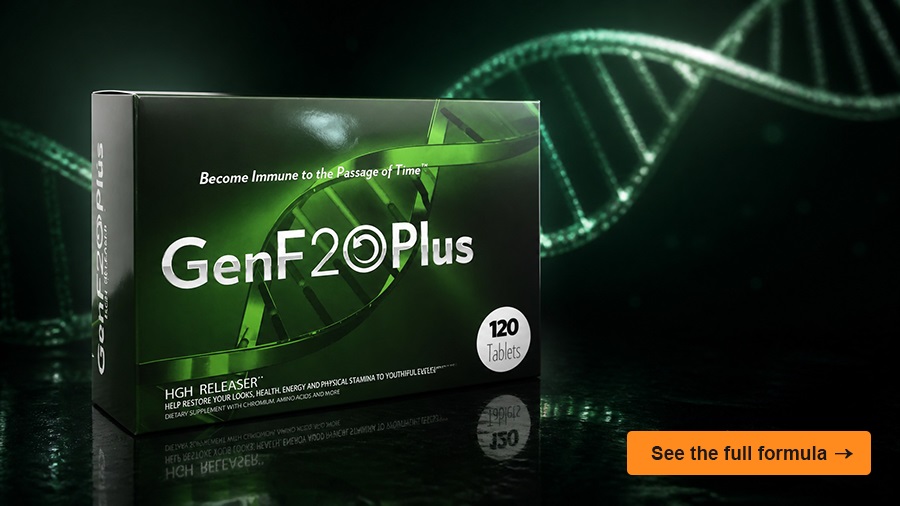
The studies described here involved pharmaceutical HGH or a pharmaceutical peptide. Prescription HGH is an injectable medicine that doctors prescribe for specific medical conditions. HGH releasers are a separate category: over-the-counter dietary supplements formulated with ingredients, such as amino acids and other nutrients, intended to support your pituitary gland’s own release of HGH. The two are different products and are studied separately. Like other dietary supplements, HGH releasers are not intended to diagnose, treat, cure, or prevent any medical condition.
Where HGH Releasers Fit Into a Healthy Routine
Men who take a releaser typically do so as one part of a routine that includes training, nutrition, and rest. If you are experiencing ongoing mental fogginess, see your doctor first so the cause can be identified.
Frequently Asked Questions About HGH and Mental Clarity
Are HGH Releasers the Same as Prescription HGH?
No. Prescription HGH is an injectable medicine used for specific medical conditions. HGH releasers are over-the-counter dietary supplements formulated to support the body’s own natural growth hormone release.
Is Brain Fog a Sign of Low HGH?
Rarely. MedlinePlus notes that other disorders are much more likely than growth hormone problems to cause symptoms such as fatigue, which is why HGH testing is not common in adults.
Should I Talk to My Doctor Before Trying an HGH Releaser?
Checking with your doctor is a smart step, especially if you take medication or have a health condition. Your doctor can help you decide whether a supplement fits your situation.