

Low mood is a recognized feature of diagnosed growth hormone deficiency, and mood scores improved after six months of replacement in one study. Depression has many causes, though, and in adults without a pituitary problem low HGH is rarely the explanation.
What Deficiency Studies Found
A review on the National Library of Medicine site notes that childhood-onset and adult-onset growth hormone deficiency have been associated with attention and memory deficits along with mood disorders. Cleveland Clinic lists a reduced sense of well-being among the effects of deficiency in adults. In a six-month study on PubMed of adults with deficiency, psychological functioning improved significantly on mood scales and cognitive tests after pharmaceutical HGH replacement, and the improvement in vigor correlated with the rise in IGF-1. Changes in a general quality-of-life scale were trivial.
What This Does Not Mean
None of this shows that low HGH commonly causes depression. Those studies involved people with a diagnosed pituitary or hypothalamic condition. MedlinePlus notes that growth hormone testing is not common in adults because other disorders are much more likely to cause symptoms such as fatigue. Depression itself has many contributors, including life events, health conditions, sleep, and genetics, and it is treatable.
Why the Connection Is Still Interesting
A study on the National Library of Medicine site notes that IGF-1 has receptors in brain regions responsible for learning, memory, and mood, and researchers continue to study how the growth hormone system interacts with the brain. That work is active and promising. It has not produced evidence that changing HGH treats depression in people without a deficiency.
When to Talk to a Provider
Persistent low mood, loss of interest, or changes in sleep and appetite deserve attention from a healthcare professional or mental health provider, who can evaluate the whole picture and recommend care that fits. If low mood ever becomes severe or you have thoughts of harming yourself, contact a mental health professional or emergency services right away, and in the United States you can call or text 988 to reach the Suicide and Crisis Lifeline.
What This Means for You
Mood questionnaires are sensitive to expectations, and results in adults with a pituitary condition describe that group.
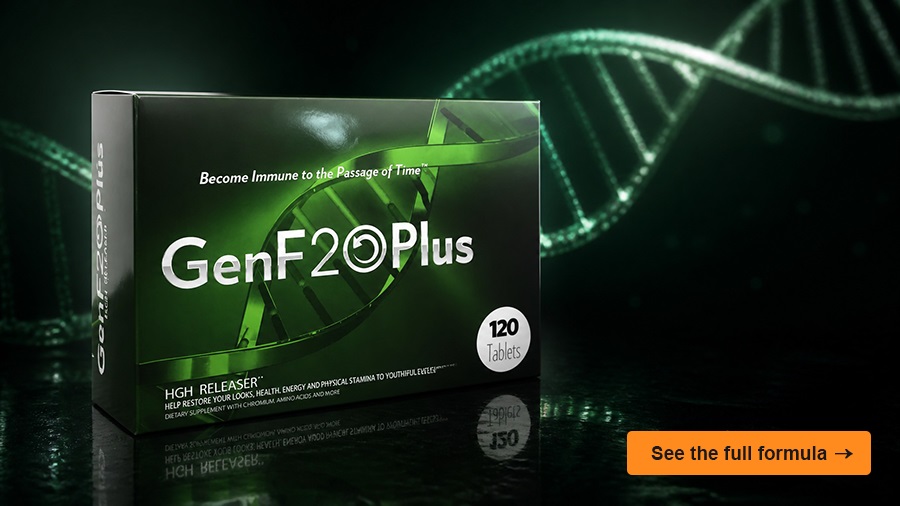
How HGH Releasers Differ From Prescription HGH
Prescription HGH is an injectable medicine that doctors prescribe for specific medical conditions. HGH releasers are a separate category: over-the-counter dietary supplements formulated with ingredients, such as amino acids and other nutrients, intended to support your pituitary gland’s own release of HGH. The two are different products and are studied separately. Like other dietary supplements, HGH releasers are not intended to diagnose, treat, cure, or prevent any medical condition.
Where HGH Releasers Fit Into a Healthy Routine
Men who take a releaser typically do so as one part of a routine that includes training, nutrition, and rest. If you are experiencing low mood, talk with your doctor or a mental health professional first.
Frequently Asked Questions About HGH and Mood
Are HGH Releasers the Same as Prescription HGH?
No. Prescription HGH is an injectable medicine used for specific medical conditions. HGH releasers are over-the-counter dietary supplements formulated to support the body’s own natural growth hormone release.
Can HGH Treat Depression?
That has not been established. The mood improvements described in research involved adults with a diagnosed growth hormone deficiency, and depression is evaluated and treated by healthcare and mental health professionals.
Should I Talk to My Doctor Before Trying an HGH Releaser?
Checking with your doctor is a smart step, especially if you take medication or have a health condition. Your doctor can help you decide whether a supplement fits your situation.