

Adult growth hormone deficiency is a medical condition in which the pituitary gland does not make enough HGH, usually because of a pituitary problem or damage to the pituitary gland or hypothalamus. It is a formal diagnosis made by a healthcare provider, and it is different from the gradual, normal change in HGH that comes with age.
What Causes Adult Growth Hormone Deficiency
Cleveland Clinic explains that HGH deficiency is usually due to a problem with or damage to the pituitary gland that results in hypopituitarism, meaning one or more of the pituitary’s hormones are low. In adults, it may develop because of a noncancerous pituitary tumor or damage to the pituitary gland or hypothalamus. In other words, the condition typically points to a specific medical cause.
How It Differs From Normal Age-Related Change
HGH does ease gradually with age, a normal pattern known as the somatopause. Adult deficiency is a different situation. A study on PubMed of adults aged 61 to 88 found that HGH secretion in people with pituitary-related deficiency was about 90 percent lower than in healthy controls, and it concluded that this type of deficiency is distinct from the age-related decline. Ordinary aging and a true deficiency are not the same thing.
Signs Providers Look For
According to MedlinePlus, adults with growth hormone deficiency may have fatigue, decreased bone density, and reduced muscle mass. Cleveland Clinic also lists increased body fat and a reduced sense of well-being. These signs overlap with many other conditions, and MedlinePlus notes that other disorders are much more likely to cause them, so a provider’s evaluation is what sorts out the cause.
How Providers Diagnose It
Diagnosis typically involves stimulation testing, in which blood samples are drawn after a medicine prompts the pituitary gland to release HGH. The Endocrine Society guideline suggests using two tests, and notes that a low IGF-1 result increases the likelihood that the diagnosis is correct. An endocrinology reference adds that the decision to test rests on the treating clinician’s suspicion.
Medical Care for a Confirmed Diagnosis
A confirmed diagnosis is managed by a healthcare provider. Cleveland Clinic notes that providers use prescription HGH to treat growth hormone deficiency and that it should only ever be taken when a provider has prescribed it.
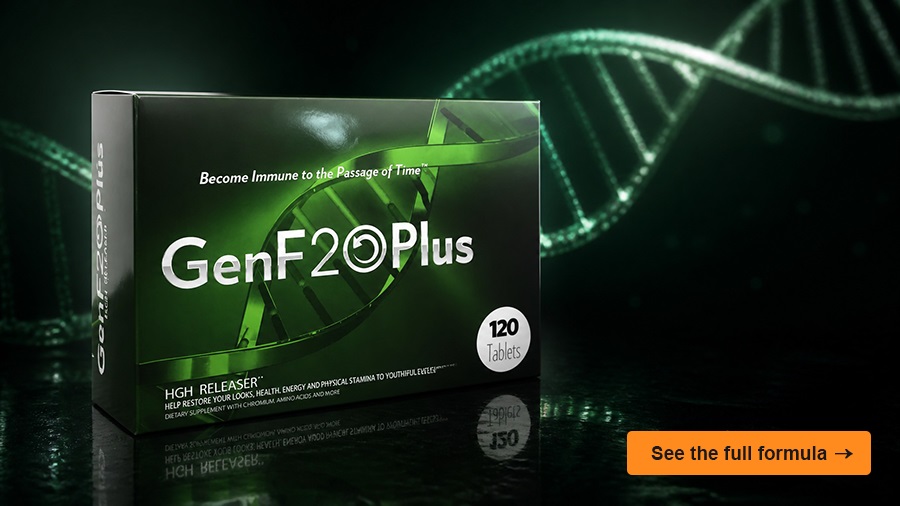
How HGH Releasers Differ From Prescription HGH
Prescription HGH is an injectable medicine that doctors prescribe for specific medical conditions. HGH releasers are a separate category: over-the-counter dietary supplements formulated with ingredients, such as amino acids and other nutrients, intended to support your pituitary gland’s own release of HGH. The two are different products and are studied separately. Like other dietary supplements, HGH releasers are not intended to diagnose, treat, cure, or prevent any medical condition.
Where HGH Releasers Fit Into a Healthy Routine
Men who take a releaser typically do so as one part of a routine that includes training, nutrition, and rest. If you have symptoms that concern you, or you suspect a medical condition, talking with your doctor comes first.
Frequently Asked Questions About Adult Growth Hormone Deficiency
Are HGH Releasers the Same as Prescription HGH?
No. Prescription HGH is an injectable medicine used for specific medical conditions. HGH releasers are over-the-counter dietary supplements formulated to support the body’s own natural growth hormone release.
Is Adult Growth Hormone Deficiency the Same as Getting Older?
No. HGH changes gradually with age as a normal part of aging, while adult growth hormone deficiency is a medical condition, usually linked to a pituitary problem, that a healthcare provider diagnoses.
Should I Talk to My Doctor Before Trying an HGH Releaser?
Checking with your doctor is a smart step, especially if you take medication or have a health condition. Your doctor can help you decide whether a supplement fits your situation.