
HGH helps regulate aerobic exercise capacity in adult life, and in adults with a diagnosed deficiency, medical replacement reverses abnormalities in physical function. In healthy adults the picture is different: trials of pharmaceutical HGH raised lean body mass but did not show clear gains in strength, exercise capacity, or endurance, and studies built around endurance in middle-aged men are limited.
HGH’s Natural Role in Exercise Capacity
An endocrinology reference on the National Library of Medicine site lists aerobic exercise capacity among the functions HGH helps regulate in adult life. The same source notes that younger adults with diagnosed growth hormone deficiency show abnormalities in physical function that are reversed by medical replacement therapy. That is a medical setting, and it shows how important the hormone is to normal function.
What Trials in Healthy Adults Found
For healthy people the picture is different.
The Closest Trials to Middle-Aged Men
A randomized, double-blind trial of 52 healthy men older than 69 measured systemic endurance and found no statistically or clinically significant difference between the HGH and placebo groups. A systematic review in healthy young adults reached a similar conclusion about exercise capacity. A six-month trial in middle-aged men did study men in this age group, but its outcomes centered on body composition and metabolism.
Where the Research Is Still Thin
Studies that measure endurance directly in middle-aged men are limited. Most trials focused on body composition, and the ones that measured performance involved older or younger participants. That leaves real room for future research, and it means the honest answer is that we do not yet have strong evidence either way for this specific group.
Exercise and Natural HGH Release
The connection also runs the other way. Cleveland Clinic notes that in healthy people, HGH release is stimulated by exercise, along with sleep, stress, low blood sugar, and amino acids. In other words, your workouts already send a signal to your pituitary gland, which is a satisfying way to think about the relationship between activity and HGH.
What This Means for You
Exercise capacity reflects your heart, lungs, and muscles working together, all of which respond strongly to training itself. A review in Sports Medicine reports that HGH is elevated for about 15 to 30 minutes after a resistance workout when the stimulus is adequate. Each session is a signal to your pituitary gland that happens whether or not any product is involved.
How HGH Releasers Differ From Prescription HGH
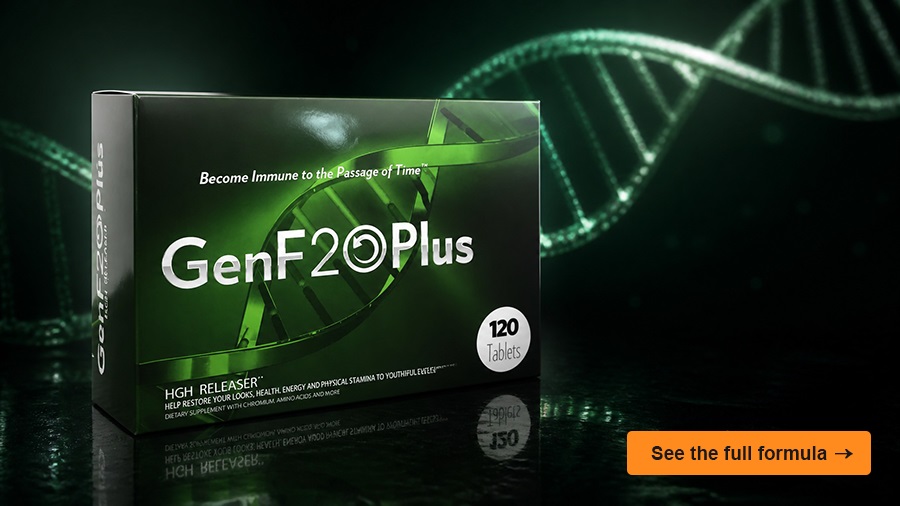
All of the trials described here involved pharmaceutical HGH. Prescription HGH is an injectable medicine that doctors prescribe for specific medical conditions. HGH releasers are a separate category: over-the-counter dietary supplements formulated with ingredients, such as amino acids and other nutrients, intended to support your pituitary gland’s own release of HGH. The two are different products and are studied separately. Like other dietary supplements, HGH releasers are not intended to diagnose, treat, cure, or prevent any medical condition.
Where HGH Releasers Fit Into a Healthy Routine
Men who take a releaser typically do so as one part of a routine that includes training, nutrition, and rest. If you are curious about trying one, it is sensible to check with your doctor first, particularly if you take medication or have an existing health condition.
Frequently Asked Questions About HGH and Exercise Capacity
Are HGH Releasers the Same as Prescription HGH?
No. Prescription HGH is an injectable medicine used for specific medical conditions. HGH releasers are over-the-counter dietary supplements formulated to support the body’s own natural growth hormone release.
Does Exercise Affect HGH Release?
Yes. According to Cleveland Clinic, HGH release in healthy people is stimulated by exercise, along with sleep, stress, low blood sugar, and amino acids.
Should I Talk to My Doctor Before Trying an HGH Releaser?
Checking with your doctor is a smart step, especially if you take medication or have a health condition. Your doctor can help you decide whether a supplement fits your situation.