
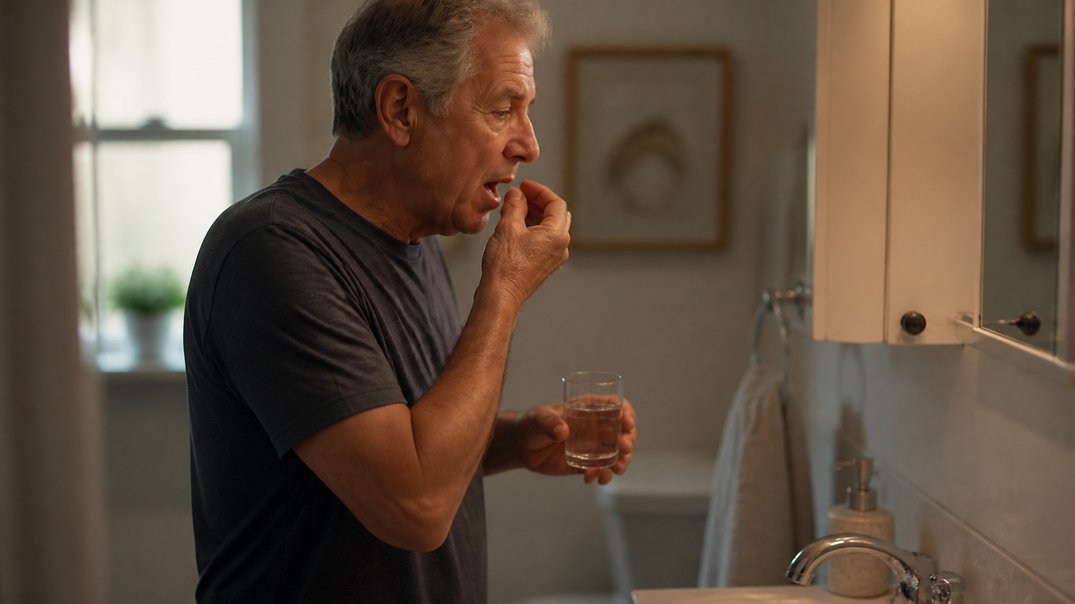
Sarcopenia, age-related muscle loss, responds well to exercise and nutrition. A review on the National Library of Medicine site reports that human growth hormone has little to no effect on the condition, and no medications are currently FDA approved to treat it, though IGF-1 does play a role in age-related muscle loss.
What Sarcopenia Is
Cleveland Clinic describes sarcopenia as the age-related, progressive loss of muscle mass, strength, and function. It can make everyday activities such as walking and climbing stairs harder, and the process picks up between the ages of 65 and 80. The encouraging part is that Cleveland Clinic says the right exercise and nutrition plan can slow or even reverse its effects.
Where Hormones Fit Into the Picture
Cleveland Clinic notes that changes in hormones like testosterone and IGF-1 play a role in sarcopenia, along with a reduced ability to make protein. Because HGH works largely through IGF-1, the connection is natural. Even so, sarcopenia has several contributors, and hormones are one part of a larger picture.
What Research Found About HGH and Muscle in Older Men
A review of the pathogenesis and management of sarcopenia states that no pharmacological agents are currently approved for the condition and that HGH has little to no effect on it. A trial in the American Journal of Physiology supports that view: in older men following a 16-week resistance training program, muscle strength gains were similar whether or not they also received pharmaceutical HGH.
Why Sarcopenia Research Is Still Evolving
Researchers are still refining how to define, measure, and study sarcopenia. A review on the National Library of Medicine site notes that diagnosis has been complicated by a lack of uniform criteria. That is why headlines about any single treatment deserve a careful read, and why individual guidance from a provider matters.
Why Medical Guidance Matters Here
Sarcopenia is a medical condition with a formal definition and several possible contributing causes. A healthcare provider can assess muscle strength, look at the broader health picture, and recommend a plan that fits your situation. That personal guidance is more useful than any general rule.
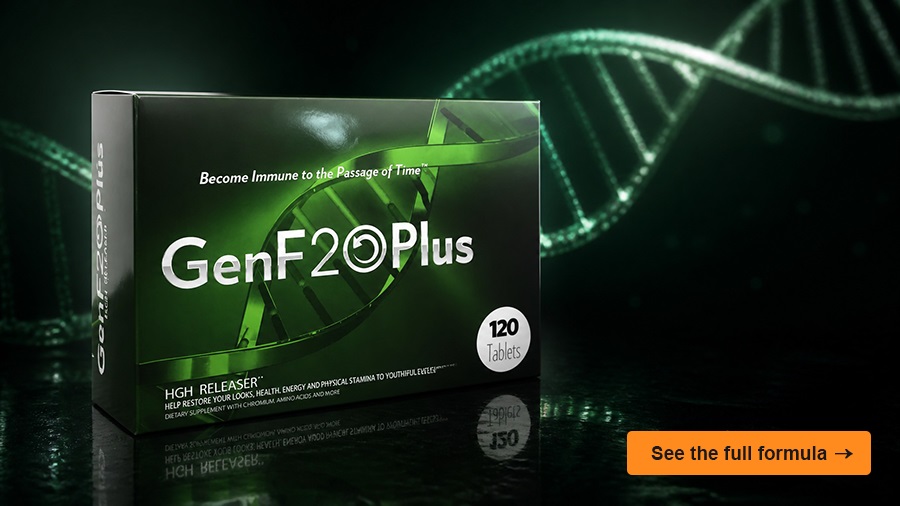
How HGH Releasers Differ From Prescription HGH
Prescription HGH is an injectable medicine that doctors prescribe for specific medical conditions. HGH releasers are a separate category: over-the-counter dietary supplements formulated with ingredients, such as amino acids and other nutrients, intended to support your pituitary gland’s own release of HGH. The two are different products and are studied separately. Like other dietary supplements, HGH releasers are not intended to diagnose, treat, cure, or prevent any medical condition.
Where HGH Releasers Fit Into a Healthy Routine
Men who take a releaser typically do so as one part of a routine that includes training, nutrition, and rest. If you are concerned about muscle loss, talking with your doctor comes first.
Frequently Asked Questions About HGH and Sarcopenia
Are HGH Releasers the Same as Prescription HGH?
No. Prescription HGH is an injectable medicine used for specific medical conditions. HGH releasers are over-the-counter dietary supplements formulated to support the body’s own natural growth hormone release.
Are There Medications for Sarcopenia?
According to Cleveland Clinic, there are currently no FDA-approved medications to treat sarcopenia.
Should I Talk to My Doctor Before Trying an HGH Releaser?
Checking with your doctor is a smart step, especially if you take medication or have a health condition. Your doctor can help you decide whether a supplement fits your situation.