Keeping a heritage language alive takes daily use at home, a community that shares it, and a reason for children to want it. Research on immigrant families suggests the language is often lost by the third generation, with the shift starting in the second. The good news is that families and communities have kept languages going, and even revived them, by making them part of everyday life.
Why Heritage Languages Fade by the Third Generation
A University of Alberta report on heritage language research explains that the heritage language is often lost by the third generation, and many third-generation children cannot speak it at all. The researchers point out that the shift usually begins earlier, in the second generation.
The work looked at a Mandarin-English bilingual program in Edmonton and its effect on second- and third-generation Chinese-Canadian students. The report does not give sample sizes, so it is best read as a practical summary, not a statistical portrait.
Heritage language loss is not the failure of any one family. School, work, and media all use the majority language, so keeping another one alive takes steady effort from many people at once.

The Home Matters Most
According to the same report, the home has a bigger impact than school programs. Parents are encouraged to speak their strongest language to their children, especially when the children are young, instead of switching to English.
Families often worry that English will suffer. The researchers say parents do not need to worry, since children get English through school, media, and friends. School programs still help, particularly with reading and writing in the heritage language, which are rarely learned at home.

Language Nests Bring Children and Elders Together
Some of the most inspiring revival efforts use language nests, immersion programs where young children spend their days in the heritage language. The idea began with the Māori kōhanga reo in New Zealand, and this reference overview notes that older fluent speakers mentor the children, which keeps the language moving from one generation to the next.
In Hawaii, the Pūnana Leo movement took up the model, as its own history page describes. Teaching in Hawaiian had been banned in schools for 90 years until 1986. The first Pūnana Leo preschool opened in 1984, and the organization says a complete system from preschool through doctoral level is now taught entirely in Hawaiian.
Culture Gives a Language Its Reason to Live
A language lasts when it is tied to things children love. The Alberta report suggests immersion opportunities such as visits to the country of origin, time with grandparents and other speakers, and helping children appreciate their culture and family background.
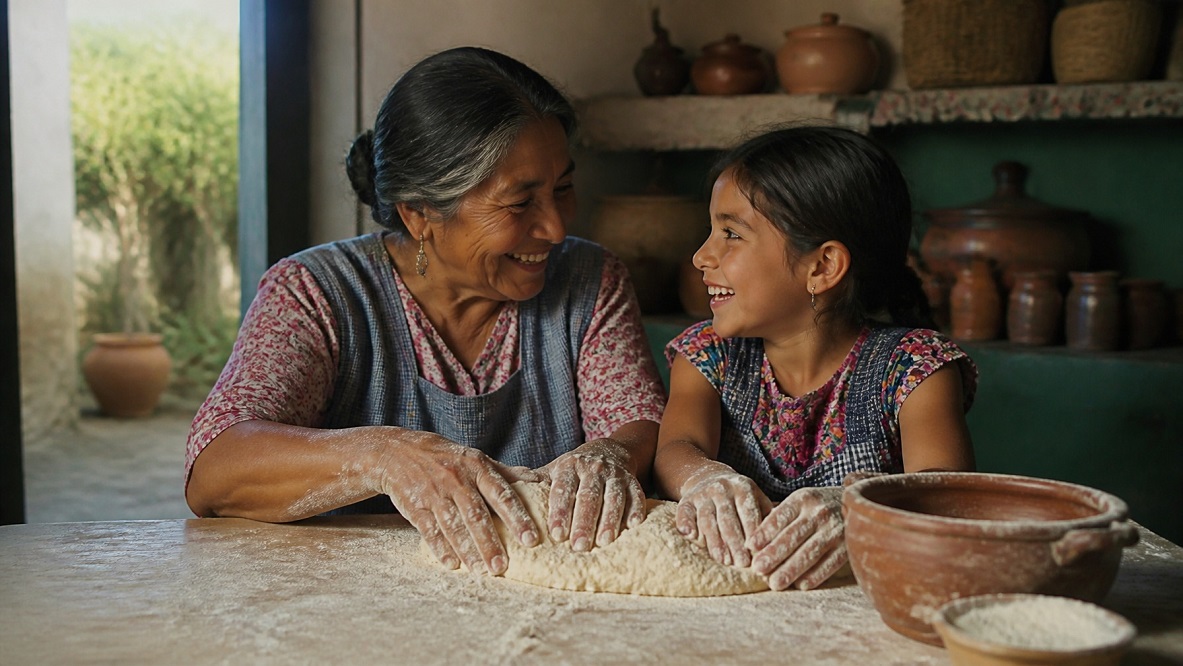
In practice, that can mean songs, holiday traditions, family recipes, and stories told in the language. When a language is the key to the table, the stories, and the people a child cares about, it stops feeling like homework.
Everyday Ways to Keep the Language Going
Small habits add up. Consistency matters more than perfection, and even a family that can only use the language at dinner is building something that lasts.
- Speak your strongest language at home, especially with young children.
- Spend regular time with grandparents and other fluent speakers.
- Read aloud, send letters or messages, and practice writing, since literacy rarely develops at home on its own.
- Join a weekend school, community class, or cultural group.
- Choose music, shows, and books in the language that your family enjoys.
- Celebrate holidays and family milestones in ways that use the language.
Common Questions About Heritage Languages
Why Do Children Lose Their Heritage Language?
Research suggests the shift often begins in the second generation, as school, media, and friends pull children toward the majority language, and by the third generation many children cannot speak the heritage language.
Will Speaking a Heritage Language at Home Hurt a Child’s English?
Researchers say parents do not need to worry, since children pick up English through school, media, and friends. Speaking the strongest language at home supports the heritage language.
Do Language Programs Really Work?
Results vary, but some programs have produced lasting change. In Hawaii, a movement that began with a single preschool in 1984 has grown into a system that runs from preschool through doctoral level.