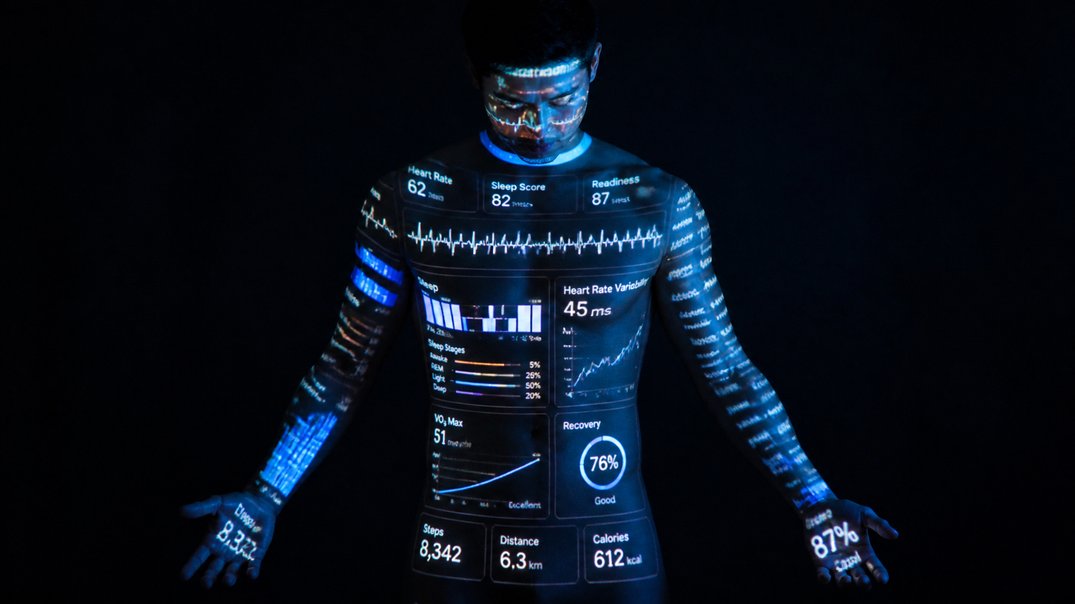
The word biohacking is new, but the habit is very old. The modern movement grew out of do-it-yourself biology and self-tracking in the 2000s, yet people have used tea, herbs, memory techniques, and daily discipline to tune their minds for thousands of years. What has changed is the technology, the speed, and the marketing, which makes it both a fresh culture and a very human tradition.
Where the Biohacking Label Comes From
Modern biohacking has two main roots. The first is do-it-yourself biology, a social movement in which individuals and small groups study biology with limited formal training and often mentor one another. According to a reference entry on DIY biology, the DIYbio organization was founded in 2008, the first community biology lab opened in 2010, and by 2014 an estimated 50 DIY labs existed worldwide.
The second root is self-tracking. As KQED reports, the Quantified Self movement began in 2008 with a meetup of about 20 people at Kevin Kelly’s home near Silicon Valley, organized with Wired journalist Gary Wolf. Early members tracked things like daily activities, diet, exercise, and balance, guided by a tagline about gaining self-knowledge through numbers.
Today the word covers an enormous range, from sleep trackers and cold plunges to supplement stacks and genetic tests.
Old Habits Under a New Name
Look back and the habit appears ancient. The Global Wellness Institute’s history of wellness traces personalized, preventive approaches to health to Ayurveda, which dates to roughly 3,000 to 1,500 BC, and to Traditional Chinese Medicine, while Hippocrates around 500 BC reportedly stressed preventing sickness.
Mental tuning has a long history, too. A National Library of Medicine overview notes that the Ayurvedic text Caraka Samhita documents Bacopa as a treatment for various mental conditions. Greek and Roman writers credited the poet Simonides with the first art of memory, as Lapham’s Quarterly recounts, and speakers used it to deliver long speeches without notes.
Seen this way, a person timing their caffeine, tracking their sleep, or experimenting with herbs is carrying on a deeply human tradition.
What Is Genuinely New About Biohacking
Three things stand out as new: speed, data, and marketing. Wearable devices now measure sleep, heart rate, and activity around the clock, and ideas for experiments spread online in hours. Commercial products have followed. KQED notes that as devices like Fitbit, Apple Watch, and Oura Ring went mainstream, the Quantified Self community lost its sense of being a niche, and Wolf argued that commercial tools tend to serve common needs more than individual questions.
Risks are new, too. The DIY biology entry describes concerns about biosafety and the lack of specific regulation for unmonitored labs, though supporters argue that transparency, peer review, and ethics codes handle risk better than restrictions do. Most everyday biohackers are far from lab work, but the lesson applies to everyone: experiments on yourself deserve care.
A New Culture or an Old Habit?
The most honest answer is that it is both. As a culture, biohacking has its own vocabulary, heroes, conferences, and products, along with a tendency to treat optimization as a goal in itself. As a habit, it is the old human wish to feel sharper, calmer, and stronger.
The healthy version begins with curiosity about your own body. The unhealthy version begins with anxiety, the feeling that you are never optimized enough. The label matters less than the motivation behind it.
How to Biohack Sensibly
- Start with a question, not a pile of data, and work backward from it.
- Change one thing at a time so you can tell what made a difference.
- Build on the basics of sleep, food, movement, and daylight first.
- Be skeptical of big promises, especially when they come with a product page.
- Talk with a healthcare professional before trying supplements or major changes.
Common Questions About Biohacking
What is biohacking?
Biohacking is a broad term for experimenting with biology or daily habits to improve health or performance. It ranges from DIY biology and self-tracking to experiments with diet, sleep, and supplements.
Is biohacking new?
The label is recent, with DIY biology and the Quantified Self movement emerging around 2008. Efforts to tune the body and mind go back thousands of years in traditions such as Ayurveda and Traditional Chinese Medicine.
Is biohacking safe?
It depends on what you do. Simple habits like keeping a steady sleep schedule are low risk, while unmonitored lab work or unproven supplements carry more. Talk with a healthcare professional before making major changes.
This content is for general interest and is not medical advice. Talk with a healthcare professional before making major changes to your health routine or starting any supplement.