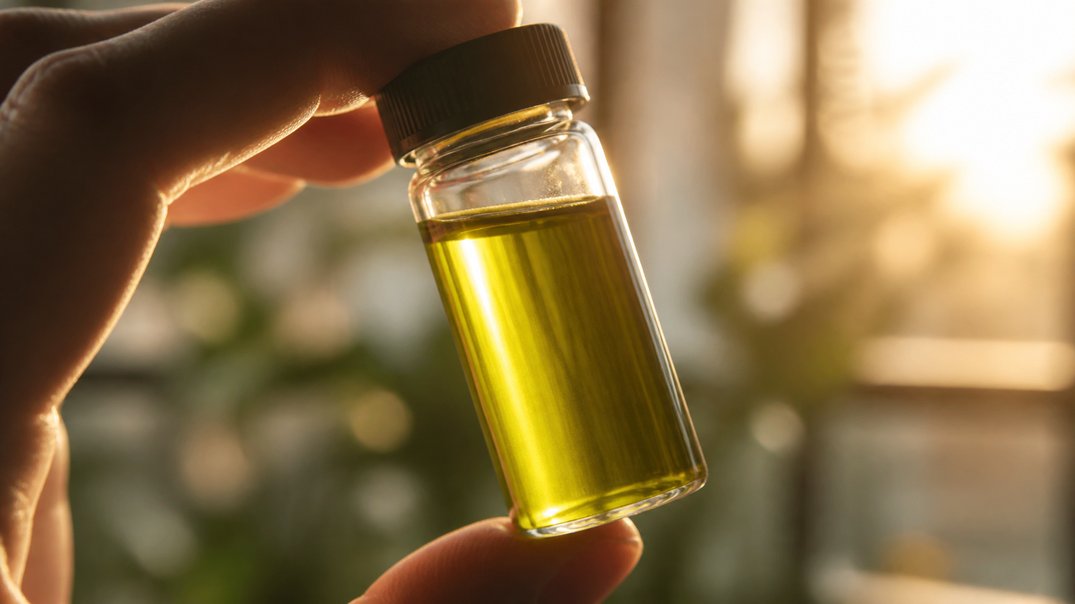
Algae omega-3 for pregnancy is the simplest plant-based way to get DHA, the omega-3 concentrated in the brain and eyes. About 200 milligrams a day is a commonly suggested amount, and algae oil delivers it with no fish required. Here is how expecting vegans can build an easy DHA routine.
Why DHA Is a Big Deal During Pregnancy
DHA is a building block of the brain and the retina. The NIH Office of Dietary Supplements notes that DHA levels are especially high in the eyes and brain, which is why this fat gets so much attention during pregnancy and breastfeeding.
Researchers are still working out exactly how much difference supplements make, but the practical takeaway is simple: if your diet has no fish, a direct DHA source fills a real gap.
How Much DHA Do Expecting Vegans Need?
There is no official recommended amount, but a 2024 review notes that 200 milligrams of DHA per day has been suggested during pregnancy and breastfeeding, particularly where people eat little seafood.
Here is an easy win: check your prenatal vitamin first. Some contain DHA and some do not, so a quick look at the label tells you whether you are already covered or need to add an algae supplement.
Many algae supplements provide a few hundred milligrams of DHA per serving, so one capsule a day often fits the bill. Compare the number on the label with the amount your provider suggests, and you will know right away.
Why Flax and Chia Do Not Cover DHA
The NIH lists 1.4 grams of ALA per day for pregnant women, and flax, chia, and walnuts make that target easy to reach. These foods are worth keeping, but your body converts ALA into DHA only in very small amounts, so they work best alongside a direct DHA source.
Why Algae Oil Is a Natural Fit for Pregnancy
Algae are where fish get their DHA, so algae oil goes straight to the source. In a randomized trial, algal-oil capsules and cooked salmon raised DHA levels in blood about equally, which means your body treats algal DHA much like the DHA in fish.
Because the algae are grown in tanks and never meet the ocean, mercury is less of a concern than it is with some fish. And the capsule fits right into a vegan routine.
How to Choose an Algae Omega-3 During Pregnancy
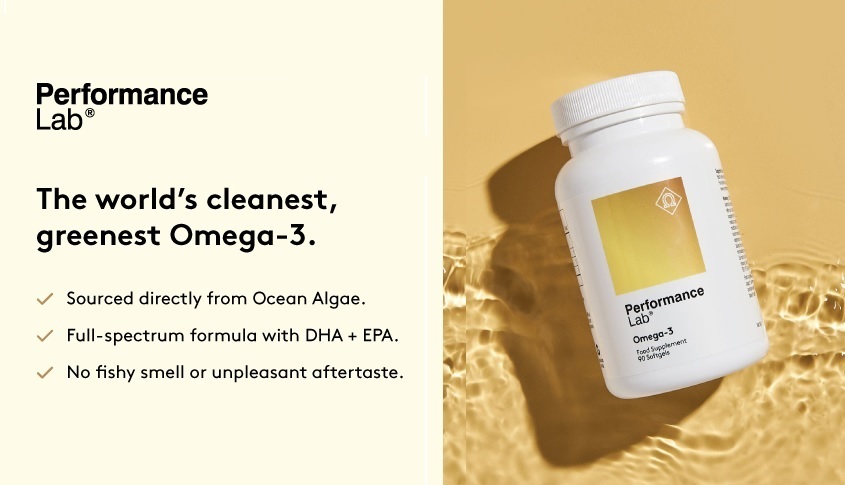
A few quick label checks make shopping simple:
- Check the DHA amount per serving on the Supplement Facts panel.
- Count the DHA already in your prenatal vitamin.
- Look for third-party testing for purity and potency.
- Confirm a plant-based capsule shell for a fully vegan product.
Then bring the bottle to your next prenatal appointment so your OB or midwife can confirm the dose that suits you.
Your Easy Prenatal Omega-3 Plan
Keep the plan simple. Enjoy ALA foods most days, take an algae-based DHA with a meal, and let your provider know what you are using. It is a small habit that takes seconds a day and gives your diet a dependable source of DHA. Many expecting vegans pair the capsule with a meal they already eat, such as breakfast, so it becomes automatic without adding anything to the to-do list.
Algae Omega-3 for Pregnancy Frequently Asked Questions
Can I take algae oil while pregnant?
Algae oil is a popular vegan source of DHA for expecting mothers. Your OB or midwife can confirm the product and dose that fit you, so bring your bottle and your prenatal vitamin to your next visit.
How much DHA should a vegan take during pregnancy?
A commonly suggested amount is about 200 milligrams of DHA per day, though there is no official recommendation. Your provider may suggest a different amount based on your diet and health.
Should I keep taking DHA while breastfeeding?
Many experts think so. One reference notes that an international panel concluded DHA supplementation during breastfeeding is desirable, and your provider can help you choose the amount.