
Algae omega-3 for older adults on a plant-based diet is an easy way to get EPA and DHA, two omega-3s your cells use every day, without eating fish. Pair it with a colorful plant-based diet and regular movement, and it becomes a simple habit worth building. Here is how to make it work.
Why EPA and DHA Still Matter as You Age
Omega-3s are part of the membranes that surround every cell in your body, and the NIH Office of Dietary Supplements notes that DHA levels are especially high in the retina and brain. They also have roles in your heart, blood vessels, and immune system.
Plant foods such as flax, chia, and walnuts supply ALA, but your body converts it into EPA and DHA only in very small amounts. Algae oil gives you EPA and DHA directly, so you can keep the plant-based diet you love and still cover the gap.

Algae Omega-3 and Your Heart Health Routine
One of the best-known effects of EPA and DHA is on triglycerides: the NIH says that getting more of them from foods or supplements lowers triglyceride levels. The American Heart Association suggests about 1 gram of EPA plus DHA daily for people with heart disease, preferably from oily fish, with supplements as an option.
For plant-based eaters, algae oil is the natural way to take part in that conversation with your doctor. It also fits neatly with the eating pattern that heart-health guidance favors: plenty of vegetables, beans, whole grains, nuts, and seeds.
Brain and Eye Health: Why DHA Gets the Attention
DHA is the star of the brain and retina, which is why so many older adults look to omega-3s. Observational studies have linked higher omega-3 intake with a lower risk of cognitive decline, and researchers continue to study how best to use it.
The most encouraging view is a whole-lifestyle one. Omega-3s fit beautifully alongside exercise, good sleep, and heart-healthy eating, and algae oil makes the omega-3 piece easy.
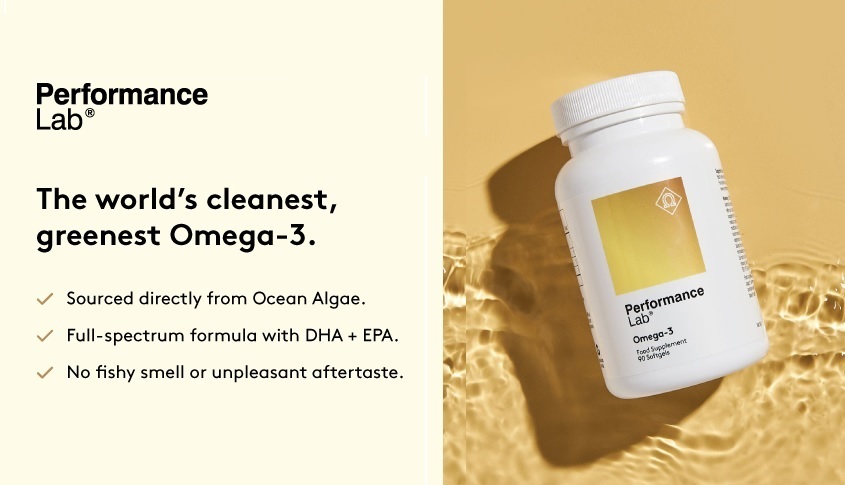
How to Choose and Take Algae Omega-3 With Ease
Start with the Supplement Facts panel and look for the EPA and DHA amounts per serving. A commonly cited target is roughly 250 to 500 milligrams of EPA plus DHA combined per day. Taking your capsule with a meal that includes some fat may help absorption.
Look for third-party testing and a plant-based capsule shell. If large capsules are a hassle, ask your pharmacist about smaller capsules or a liquid form, since algae omega-3 comes in several easy formats. A handy trick is to tie your capsule to something you already do every day, such as your morning coffee or breakfast, so it becomes automatic.
Algae Omega-3 and Blood Thinners: A Quick Check
One practical step: if you take a blood thinner such as warfarin, check with your doctor or pharmacist before starting. Higher-dose omega-3 products may modestly affect bleeding, so it is smart to have your care team in the loop.
Your Plant-Based Omega-3 Plan for the Years Ahead
Keep your ALA foods, add a direct EPA and DHA source, and enjoy the confidence of a more complete plant-based routine. Share your supplement list at your next checkup, and update it whenever your medications change.
Algae Omega-3 for Older Adults Frequently Asked Questions
Do older adults need more omega-3 than younger adults?
No separate recommendation has been set. The NIH says recommended amounts of EPA and DHA have not been established, so your doctor’s advice and your overall diet matter most.
What is the best way to take algae omega-3?
Take it daily with a meal that includes some fat, and choose a product with clear EPA and DHA amounts on the label. Consistency matters more than the exact time of day.
Is algae omega-3 safe with blood thinners?
Check with your doctor or pharmacist first. Higher-dose omega-3 may modestly affect bleeding, so your care team can advise you if you take warfarin or a similar medication.