
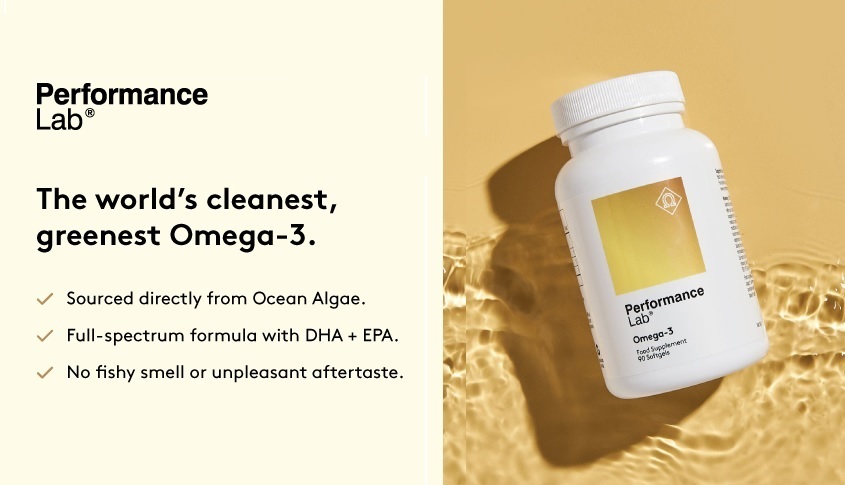
Algae omega-3 is an oil from microalgae that delivers DHA and sometimes EPA, the same omega-3s found in fish oil, with no fish involved. If you are curious about how it works, who it suits, and how to choose one, you are in the right place. Here are 15 quick answers.
Algae Omega-3 Basics: What It Is and How It Compares
What is algae-based omega-3?
It is an oil made from microalgae grown in controlled tanks, such as Schizochytrium, that naturally produce DHA and sometimes EPA. The oil is refined and sealed in capsules, giving you the same omega-3s found in fish oil with no fish involved.
Is algae omega-3 the same as fish oil?
The EPA and DHA molecules are the same. Fish get these fats by eating algae, so algae oil simply goes to the original source. The differences are the source, the typical EPA and DHA mix, and the fact that algae oil contains no fish.
Is algae omega-3 grown in the ocean?
Usually not. Most algae-based DHA oil comes from marine microorganisms grown indoors in closed fermentation tanks, fed with sugar, with no sunlight needed. That keeps production consistent and means no wild fish are harvested.

Does algae omega-3 contain EPA as well as DHA?
Many algae oils are rich in DHA, and some are blended to provide meaningful EPA too. Check the Supplement Facts panel for separate EPA and DHA amounts so you know exactly what you are getting.
Is algae omega-3 as effective as fish oil?
A randomized trial found that algal-oil capsules and cooked salmon raised DHA levels in blood plasma and red blood cells about equally. That suggests your body uses algal DHA much like the DHA in fish.
Who Algae Omega-3 Suits and What to Expect
Why do vegans and vegetarians use algae omega-3?
Plant foods such as flax and chia supply ALA, but the NIH says your body converts it into EPA and DHA only in very small amounts. Algae oil provides EPA and DHA directly, so you can keep a fully plant-based diet.
Is algae omega-3 vegan?
The oil is plant-based, since it comes from microorganisms grown on sugar-based nutrients. Check that the capsule shell is plant-based too, because some softgels use gelatin.
Is algae omega-3 safe?
Most people tolerate it well, and the NIH notes that side effects from omega-3 supplements are usually mild. If you are pregnant, nursing, or take blood thinners, a quick check with your doctor or pharmacist is a good first step.
Can people with fish or shellfish allergies take algae omega-3?
Algae oil is not made from fish or shellfish, so many people with those allergies choose it. Read the allergen statement on the label, and ask the brand if you have questions about its facility.
Does algae omega-3 taste fishy?
Because it does not come from fish, algae oil is generally milder, and taking it with a meal helps it go down easily. Taste varies by brand, so a fresh, well-protected oil makes a difference.
Dosage, Quality, and Cost of Algae Omega-3
How much algae omega-3 should I take?
A commonly cited target is roughly 250 to 500 milligrams of EPA plus DHA per day for healthy adults, though the NIH says official amounts have not been established. Use the label as your guide.
When is the best time to take algae omega-3?
Take it with a meal that includes some fat, which may help absorption. The best time is whichever you will remember, so many people pair it with breakfast.
How long does it take to raise my omega-3 levels?
It depends on your starting point and dose. In one study of vegans, taking 254 milligrams of EPA plus DHA daily raised the average omega-3 index from 3.1 to 4.8 percent over four months.
How do I choose a high-quality algae omega-3?
Look for separate EPA and DHA amounts in milligrams, third-party testing, natural antioxidants for freshness, a plant-based capsule, and a clear allergen statement. These checks take about two minutes.
Why does algae omega-3 cost more than fish oil?
Algae oil is grown in controlled fermentation tanks and refined in several steps, which costs more than fish oil production. Reviews note high production costs, though economies of scale and rising fish oil prices have narrowed the gap.
Your Next Step With Algae Omega-3
Ready to start? Choose a product using the label checks above, take one serving with breakfast, and give it a few months. The NIH Office of Dietary Supplements lists algal oil as a vegetarian source of omega-3 supplements, and a randomized trial found that algal DHA capsules and cooked salmon raised DHA similarly. You can feel good about the plant-based route.