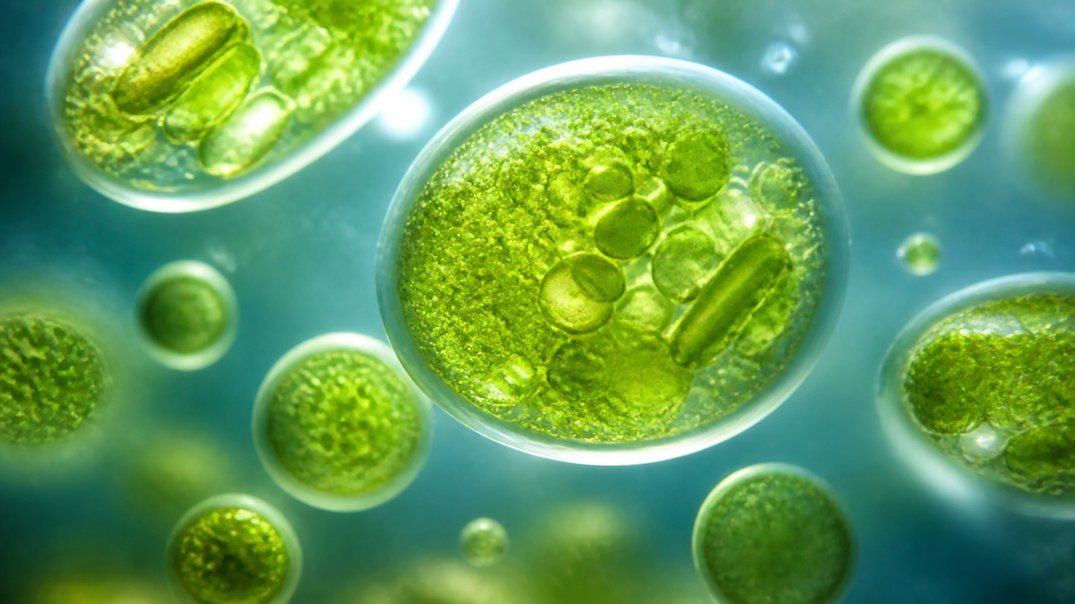
The most reliable way to get EPA and DHA on a plant-based diet is an algae-based omega-3 supplement. Flax, chia, and walnuts provide ALA, but your body converts only a small amount of it into EPA and DHA. Algae oil delivers those two fats directly, with no fish involved. Here is how it all fits together.
Why Flax and Chia Are Not Enough on Their Own
Plant-based eaters hear the same advice again and again: sprinkle on some flaxseed, add chia to your oatmeal, and you are covered. Those foods are great, but they supply ALA, a shorter omega-3 that your body has to convert into the longer EPA and DHA.
That conversion is the catch. According to the NIH Office of Dietary Supplements, your body can turn some ALA into EPA and then DHA, but only in very small amounts. You can eat flax every day and still end up with modest EPA and DHA levels. That is biology, not a flaw in your diet.

It matters because DHA is a major building block of brain and eye tissue, and EPA plays a role in how your body manages inflammation. Getting these two fats ready-made takes the guesswork out.
Plant Foods Worth Keeping in Your Routine
None of this means you should drop the seeds and nuts. ALA still counts, and these foods bring fiber, protein, and minerals along with it. The NIH lists average daily ALA amounts of 1.6 grams for men and 1.1 grams for women, and notes that many people in the United States get enough from their regular diet. Good everyday sources include:
- Ground flaxseed (roughly 1.5 grams of ALA per tablespoon)
- Chia seeds and hemp seeds
- Walnuts
- Canola and soybean oils
One practical tip: grind your flaxseed. Whole seeds often pass through your digestive system intact, which means you miss out on the oil inside.
Algae Oil: The Direct Plant-Based Source of EPA and DHA
Here is a fun fact that changes how you think about fish oil. Fish do not make omega-3s themselves. They collect EPA and DHA by eating algae, or by eating smaller creatures that ate algae. Algae oil simply skips the middleman.
The NIH lists algal oil as a vegetarian source of omega-3 supplements. Most algae oils are rich in DHA, and some also contain EPA, so the label matters. Because the algae are typically grown in controlled conditions, there is no need to harvest wild fish to get the oil.
Few whole plant foods contain meaningful amounts of EPA or DHA, which is why a supplement is the practical route for most vegans and vegetarians who want these fats at a consistent dose.
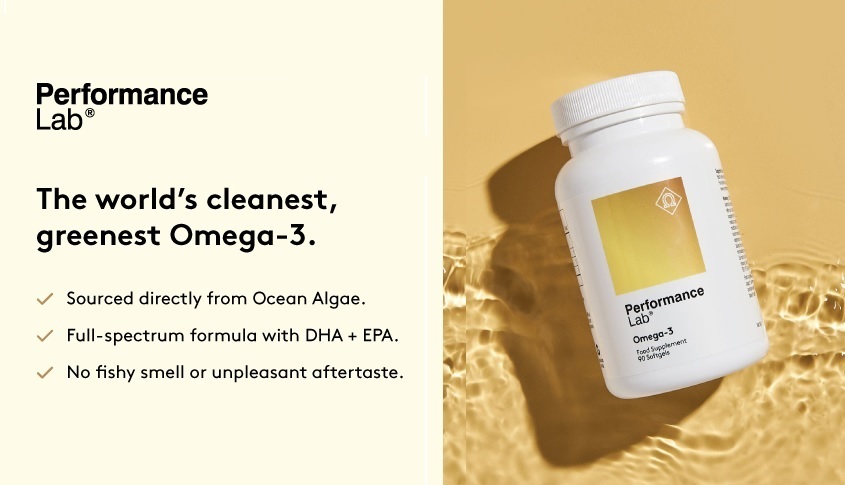
How to Choose an Algae Omega-3 Supplement
Shopping for omega-3s can feel like decoding a secret language. A few label checks make it simple:
- Look at the Supplement Facts panel for EPA and DHA amounts per serving, not just “omega-3” or “algae oil” in total.
- If you want both fats, pick a product that lists both EPA and DHA.
- Look for third-party testing for purity and potency.
- Check that the capsule itself is plant-based, since some softgels use gelatin.
A product with a clear label and transparent testing is usually a safer pick than one with big marketing claims and vague numbers.
How Much EPA and DHA Should You Aim For?
The NIH notes that experts have not set official recommended amounts for omega-3s other than ALA. Many health organizations and researchers commonly cite a combined EPA and DHA target of roughly 250 to 500 milligrams per day for healthy adults, though needs vary.
Taking your supplement with a meal that includes some fat may help your body absorb it, and consistency matters more than perfect timing. If you are pregnant, nursing, taking blood thinners, or managing a health condition, ask your doctor what amount makes sense for you.
Building a Simple Daily Omega-3 Routine
You do not need an elaborate plan. Stir a tablespoon of ground flax into your oatmeal, snack on a handful of walnuts, and take your algae-based EPA and DHA with breakfast. That covers ALA from food and the long-chain omega-3s from a direct source.
Set it up once, tie it to a habit you already have, and it takes care of itself. If you want to dig deeper, a good next step is comparing algae oil with fish oil to see how they stack up.
Plant-Based EPA and DHA Frequently Asked Questions
Can vegans get enough EPA and DHA without a supplement?
It is difficult. Your body converts only a small amount of ALA into EPA and DHA, and most plant foods contain little to none of these fats directly. That is why many vegans choose an algae-based supplement.
Is algae oil as effective as fish oil?
Studies have found that DHA from algae oil can raise blood DHA levels in a way that compares well with DHA from fish. Both ultimately trace back to algae, so the fat itself is the same.
Is every algae omega-3 supplement vegan?
The oil is plant-based, but the capsule is not always. Check the label for a vegan or plant-based shell, since some softgels use gelatin.