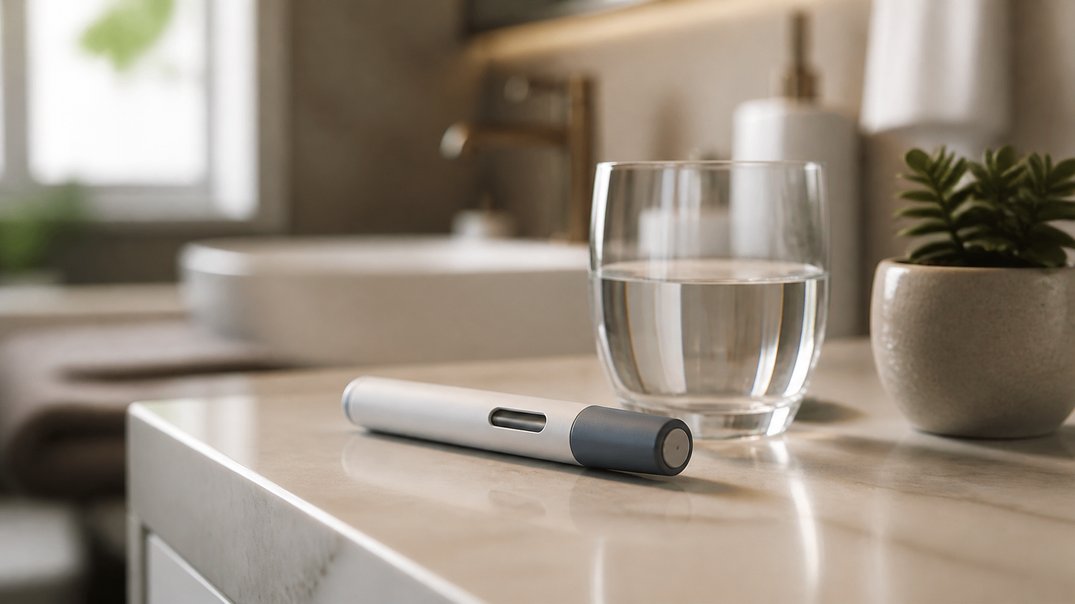
Are NAD+ injections superior to oral supplements? The honest answer starts with how your body uses NAD+ (nicotinamide adenine dinucleotide), a helper molecule found in every cell. Here is what research shows about oral precursors, what is known about injected and infused NAD+, and the questions worth asking before you choose a route.
What NAD+ Does Inside Your Cells
NAD+ is a coenzyme, a helper molecule that enzymes need to do their work. A 2026 paper in Frontiers in Aging describes it as a cofactor for enzymes involved in energy production, DNA repair, gene expression, cellular metabolism, and immune function. The authors also note that NAD+ in tissues and cells has been shown to decline with age, which explains the growing interest in supporting it. Your body builds NAD+ from raw materials called precursors, including niacin (vitamin B3), the amino acid tryptophan, nicotinamide riboside (NR), and nicotinamide mononucleotide (NMN). That variety of routes is why researchers compare supplements by what they contain, not only by how they are taken.
How Oral Precursors Support NAD+
Researchers note that NAD+ itself cannot be absorbed intact through the intestine or taken directly into cells. Oral precursors take a different path. NR and NMN are small enough to enter cells through dedicated transporters, which makes them potentially more efficient than giving NAD+ directly, according to the same paper. In the human studies it summarizes, oral NR and NMN raise NAD+ levels in the blood, peaking about three to eight hours after intake, and 1,000 mg of NR per day raised NAD+ in blood cells by about 60% after six weeks. These findings give oral precursors a solid foundation of human data.
What Is Known About Injected and Infused NAD+
Injected NAD+ is a different product than an oral precursor, so its evidence is different too. The same paper states that human data on the efficacy and health effects of intravenous (IV) administration remain limited, and that no trials to date have directly compared clinical outcomes between NAD+ and its precursors or between delivery methods. The authors call it plausible that IV delivery could offer similar or even better NAD+ support because more of the dose reaches the bloodstream, and they suggest it may interest people with digestive conditions who cannot tolerate oral products. They call for longer placebo-controlled trials. Most of the research described here involves oral precursors or IV infusions, so less direct research exists for shots under the skin. Useful questions for a clinician include which molecule you would receive (NAD+, NR, or NMN), by which route and dose, which pharmacy prepares it, and what evidence supports that exact combination.

Frequently Asked Questions
What Is the Difference Between NAD+ and NR?
NAD+ is the finished coenzyme your cells use. NR, or nicotinamide riboside, is a precursor that cells take in and convert into NAD+, and researchers consider NR and NMN potentially more efficient than giving NAD+ directly.
Has Research Compared Injected NAD+ to Oral Precursors Directly?
A 2026 paper in Frontiers in Aging states that no trials to date have compared clinical outcomes directly between NAD+ and its precursors or between delivery methods, and it calls for longer placebo-controlled trials.
Why Do Researchers Study NAD+ Levels?
NAD+ supports energy production, DNA repair, and immune function, and studies report that levels in tissues decline with age. Researchers are studying ways to support NAD+, and clinical benefits are still being investigated.
Who Prepares NAD+ Injections?
NAD+ injections are often prepared by compounding pharmacies, as the 2026 paper describes. Compounded drugs are not FDA-approved, so a licensed clinician and a state-licensed pharmacy are important parts of any plan.
Good to Know
In studies, oral nicotinamide riboside has generally been well tolerated, including at 1,000 mg a day. IV NAD+ was different in one small study of six people that the Frontiers paper summarizes: all reported moderate to severe cramping, nausea, vomiting, faster heart rate, or chest pressure during infusion, which stopped when it ended. Talk with a clinician first if you are pregnant, breastfeeding, take prescription medicines, or have heart, liver, or kidney conditions.
Take the Next Step With a Licensed Clinician
Curious about NAD+ and which route might make sense for you? Start with an online assessment. An independent licensed clinician reviews your health history and, when a prescription is appropriate, a licensed pharmacy delivers it to your door. Your clinician can help you weigh the evidence and your options.
This article is for education only and is not medical advice.