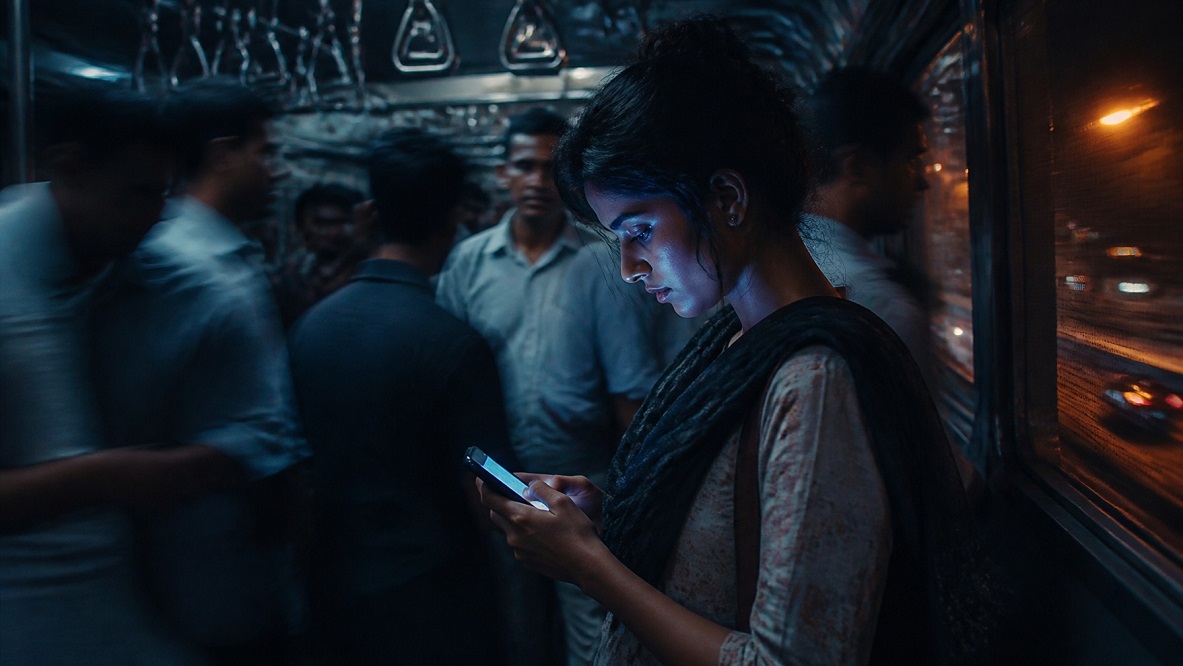
Smartphones changed memory less by weakening it and more by changing what we bother to store. Research suggests we often remember where to find information instead of the information itself, and that snapping a photo can loosen our hold on the moment. A few small habits let you enjoy the tools without handing over everything.
The Google Effect and Where We Keep Facts
In 2011, psychologist Betsy Sparrow and colleagues reported in Science that people put less effort into remembering things they expect to look up later. In one experiment, students who were told a computer would erase their notes remembered the statements far better than those who expected the notes to be saved, as Science’s news coverage described.
Sparrow did not read this as proof that search engines make us less capable. She saw memory adapting, with people becoming skilled at remembering where to go to find things, according to this news report. Later attempts to repeat the finding have had mixed results, as a Canadian science summary in French explains, so it is best treated as an interesting idea rather than settled fact.
Sharing the Memory Load With Friends and Phones
Sparrow connected her work to transactive memory, the idea that people divide up the job of remembering shared information. Most of us have a friend who always knows the movie trivia. The internet may now fill that role for everyone.

Worry about memory technology is also very old. Plato warned that writing could weaken memory by letting people trust outside marks instead of practicing recall, a point noted in this University of Illinois blog post. Every new tool seems to raise the same question.
What Taking Photos Does to Our Memories
Psychologist Linda Henkel tested this in a museum. Visitors who photographed objects remembered fewer of the objects, and fewer details, than those who only looked at them. She named it the photo-taking impairment effect.
The twist is good news for photographers. When people zoomed in on one part of an object, their memory held up, even for the parts outside the frame. Henkel added that photos help memory mainly when we look back at them, rather than just collecting them.
So the answer is not to put the camera away at every sunset. It is to ask, once in a while, whether you are capturing a moment or experiencing it, and to let yourself do a bit of both.

Memory Traditions Meet the Modern Wellness Shelf
Memory culture is not new. Storytellers, scholars, and students have long had their own routines and traditional aids, and Bacopa, for example, has traditionally been used in Ayurveda to support study. Researchers continue to study many of these ingredients.
Some modern wellness brands borrow from these traditions. Mind Lab Pro is one example, an 11-ingredient formula whose label lists Bacopa, citicoline, phosphatidylserine, Lion’s Mane, Rhodiola, N-acetyl L-tyrosine, L-theanine, maritime pine bark extract, and B-vitamins.
Simple Ways to Keep Your Memory Active
- Try recalling a fact for a moment before you look it up.
- Zoom in on one detail when you photograph something you want to remember.
- Revisit your photos on purpose by building an album or sharing it with someone.
- Keep a few essentials in your head, like a loved one’s phone number.
- Say a new name out loud when you are introduced.
- Let your phone handle routine details so your attention is free for what you care about.
Common Questions About Smartphones and Memory
Is the Google Effect Real?
The idea that we remember where to find information, not the information itself, is popular and plausible. Replication attempts have had mixed results, so researchers continue to study it.
Should I Stop Taking Photos to Remember Things Better?
No. Henkel’s research suggests that zooming in on a detail and looking back at your photos later can keep photography working in favor of your memories.
Are Smartphones Making Us Forgetful?
The research points to a change in what we choose to store, not a simple loss of ability. Sparrow described people as getting better at remembering where to find things.