
Lab and animal research show that growth hormone influences immune cells, and in a randomized trial in adults with HIV, pharmaceutical HGH increased thymic output. People with growth hormone deficiency usually show only minor immune abnormalities, and we found no evidence of an immune benefit in healthy men.
What Growth Hormone Does in Immune Research
A review on the immune system explains that lymphoid organs such as the thymus and spleen produce growth hormone, and that immune cells carry growth hormone receptors. Many laboratory and animal studies show growth hormone stimulating T and B cell proliferation, antibody production, and the maturation of certain white blood cell precursors, and modulating cytokine responses. Much of that evidence comes from cell cultures and animals rather than from healthy people.
What Happens in People With Low Growth Hormone
The same review notes that in humans, growth hormone deficiency is not usually associated with immunodeficiency, and only minor abnormalities of immune function have been reported, compared with those seen in deficient animals. The authors suggest that growth hormone made locally within the immune system may compensate for a lack of the pituitary hormone.
A Trial in Adults With HIV
In a randomized study in JCI, pharmaceutical HGH was associated with increased thymic mass and greater thymic output in HIV-infected adults, measured by T cell receptor excision circles and counts of naive CD4 T cells. A commentary describes 22 patients on antiretroviral therapy who received daily injections for six months in an open-label design, and notes that long-term clinical benefits remain unclear.
A Note From Mouse Research
The picture is not one-directional. A recent mouse study found that aged mice lacking growth hormone receptors were protected from age-related shifts in lymphocyte populations, suggesting the hormone’s role in immune aging is complex.
What This Means for You
The immune findings describe specific markers, such as thymic output in people with HIV, and a marker that moves in that group does not show a healthy immune system will work better. For everyday immune health, your doctor is the right person to ask.
How HGH Releasers Differ From Prescription HGH
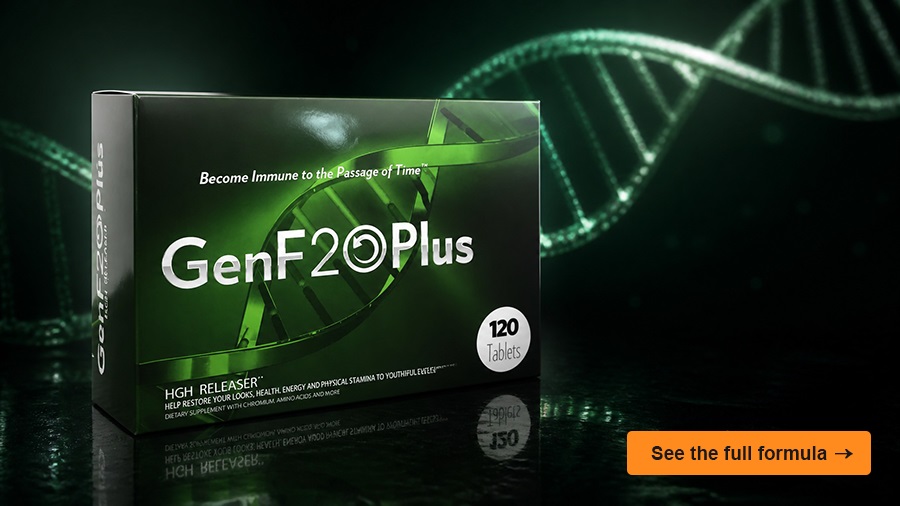
Every study described here involved pharmaceutical HGH, laboratory research, or people with diagnosed conditions. Prescription HGH is an injectable medicine that doctors prescribe for specific medical conditions. HGH releasers are a separate category: over-the-counter dietary supplements formulated with ingredients, such as amino acids and other nutrients, intended to support your pituitary gland’s own release of HGH. The two are different products and are studied separately. Like other dietary supplements, HGH releasers are not intended to diagnose, treat, cure, or prevent any medical condition.
Where HGH Releasers Fit Into a Healthy Routine
Men who take a releaser typically do so as one part of a routine that includes training, nutrition, and rest. If you are curious about trying one, it is sensible to check with your doctor first, particularly if you take medication or have an existing health condition.
Frequently Asked Questions About HGH and Immune Function
Are HGH Releasers the Same as Prescription HGH?
No. Prescription HGH is an injectable medicine used for specific medical conditions. HGH releasers are over-the-counter dietary supplements formulated to support the body’s own natural growth hormone release.
Does Low HGH Weaken the Immune System?
Usually not in a way that shows up clearly. A review notes that in humans, growth hormone deficiency is not usually associated with immunodeficiency, and only minor immune abnormalities have been reported.
Should I Talk to My Doctor Before Trying an HGH Releaser?
Checking with your doctor is a smart step, especially if you take medication or have a health condition. Your doctor can help you decide whether a supplement fits your situation.