

In adults with a diagnosed growth hormone deficiency, mental fatigue and reduced attention are common complaints, and both improved with replacement in several studies. For healthy adults, there is no established link between HGH and mental clarity. Brain fog has many possible causes, and a healthcare provider is the right person to sort them out.
What Brain Fog Describes
Brain fog is a popular phrase, not a medical diagnosis. People use it to describe sluggish thinking, trouble concentrating, memory lapses, or mental tiredness. Because those experiences can come from many sources, researchers study specific measures, such as attention, memory, and reported mental fatigue, rather than the phrase itself.
What Deficiency Studies Show
Adults with a diagnosed deficiency often complain of low energy, emotional lability, and mental fatigue, according to a study on PubMed in which perceived energy levels rose after 6 and 12 months of pharmaceutical HGH compared with baseline, with no change in the placebo group. A review of quality of life in these patients reports that problems with memory and tiredness were the most serious burdens for untreated patients. A Nature Reviews Endocrinology summary of a meta-analysis adds that attention, memory, and executive function improved after 3 to 6 months of replacement.
What the Research Does Not Show
Those findings come from adults with a diagnosed pituitary or hypothalamic condition, who received medically supervised treatment. Trials testing pharmaceutical HGH for mental clarity in healthy adults are lacking. The fair summary is that the growth hormone system is connected to attention and mental energy when it is severely disrupted, and that no evidence shows a benefit for ordinary brain fog.
How Providers Approach Persistent Brain Fog
A provider typically reviews sleep, mood, medications, and general health first, since those explanations are far more common. MedlinePlus notes that growth hormone testing is not common in adults because other disorders are much more likely to cause symptoms such as fatigue. If a pattern points toward a hormone problem, the provider can decide which tests make sense.
How to Read Brain Fog Claims
When you see a claim linking a hormone to mental clarity, a few questions help. Was the study done in people with a diagnosed deficiency or in healthy adults? Did it use a placebo group? Was clarity measured with a test, or only with a questionnaire about how people felt? Those details show whether a result applies to a specific medical condition or to everyone, and they keep expectations grounded.
How HGH Releasers Differ From Prescription HGH
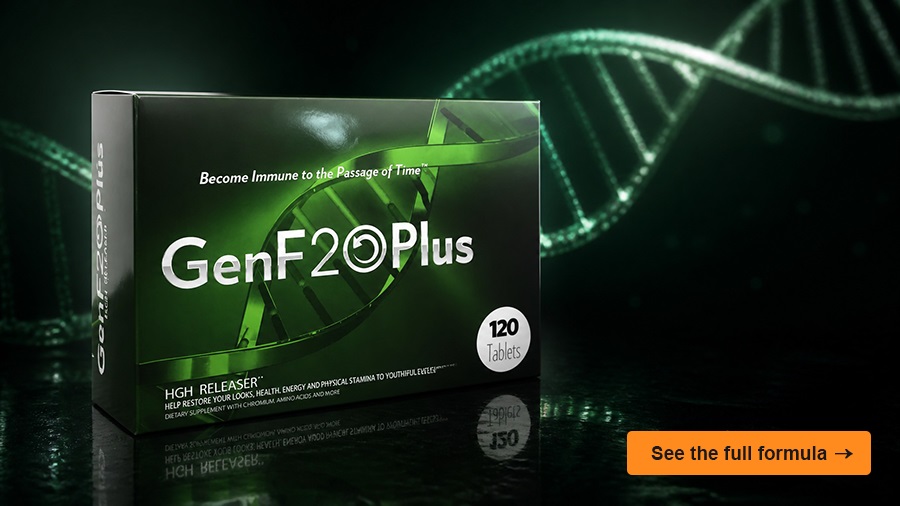
Because brain fog can have many causes, it is worth being clear about where supplements fit. Prescription HGH is an injectable medicine that doctors prescribe for specific medical conditions. HGH releasers are a separate category: over-the-counter dietary supplements sold without a prescription. Rather than supplying growth hormone from outside the body, a releaser is formulated with ingredients, such as amino acids and other nutrients, intended to support your pituitary gland’s own natural release of HGH. Because the two work in different ways, information about one does not apply to the other. Like other dietary supplements, HGH releasers are not intended to diagnose, treat, cure, or prevent any medical condition.
Where HGH Releasers Fit Into a Healthy Routine
Men who take a releaser typically do so as one part of a routine that includes training, nutrition, and rest, as a supportive addition to those habits. If you are experiencing ongoing mental fogginess, see your doctor first so the cause can be identified. That conversation can also help you decide whether a supplement suits your situation.
Frequently Asked Questions About HGH and Mental Clarity
Are HGH Releasers the Same as Prescription HGH?
No. Prescription HGH is an injectable medicine used for specific medical conditions. HGH releasers are over-the-counter dietary supplements formulated to support the body’s own natural growth hormone release.
Is Brain Fog a Sign of Low HGH?
Rarely. MedlinePlus notes that other disorders are much more likely than growth hormone problems to cause symptoms such as fatigue, which is why HGH testing is not common in adults.
Should I Talk to My Doctor Before Trying an HGH Releaser?
Checking with your doctor is a smart step, especially if you take medication or have a health condition. Your doctor can help you decide whether a supplement fits your situation.