
On average, HGH secretion declines by roughly 14 to 15 percent per decade after age 30. That is a slow, steady pace rather than a steep drop, and it means a man in his 40s typically still produces most of the HGH he made in his 30s.
The Numbers Behind the HGH Decline
Two sources point to nearly the same pace. A study in the Journal of Clinical Endocrinology and Metabolism cites a 14 percent decline in secretion for each decade of adult life, and an endocrinology reference from the National Library of Medicine puts the figure at about 15 percent per decade after the third decade of life. Those numbers are averages, and they are remarkably consistent.
A Simple Illustration of the Pace
The table below applies the 15 percent figure to a starting level of 100 at age 30. It is a basic calculation meant to show the pattern, not a measurement of any individual man.
| Age | Percent of Age-30 Level |
|---|---|
| 30 | 100 |
| 40 | About 85 |
| 50 | About 72 |
| 60 | About 61 |
Notice how much remains at each stage. The changes arrive one modest step at a time.
Why the Change Is Gradual
A clinical review in Frontiers in Aging describes the somatopause as a gradual and progressive decline in HGH secretion that occurs normally with aging. Gradual is the important word. Each decade brings a modest step rather than a cliff, so there is no single moment of change to point to.
Why Your Own Pace May Differ
An average blends many men together, so any single man can fall above or below it. That is one reason a number on a chart is a helpful guide but a poor prediction for an individual. If you are curious about your own situation, a conversation with your doctor is the best way to get a personal picture. MedlinePlus also notes that levels of both HGH and IGF-1 change throughout life, which fits the same long-term picture of gradual, normal change.
What This Pace Means for Men Over 30
HGH continues to support bone and muscle health and helps control metabolism in adults, according to MedlinePlus. Those jobs carry on with the hormone your body still makes, and a gradual pace means the system keeps working for many decades. It also explains why so many men take an interest in supporting their body’s natural production as the years pass.
How HGH Releasers Differ From Prescription HGH
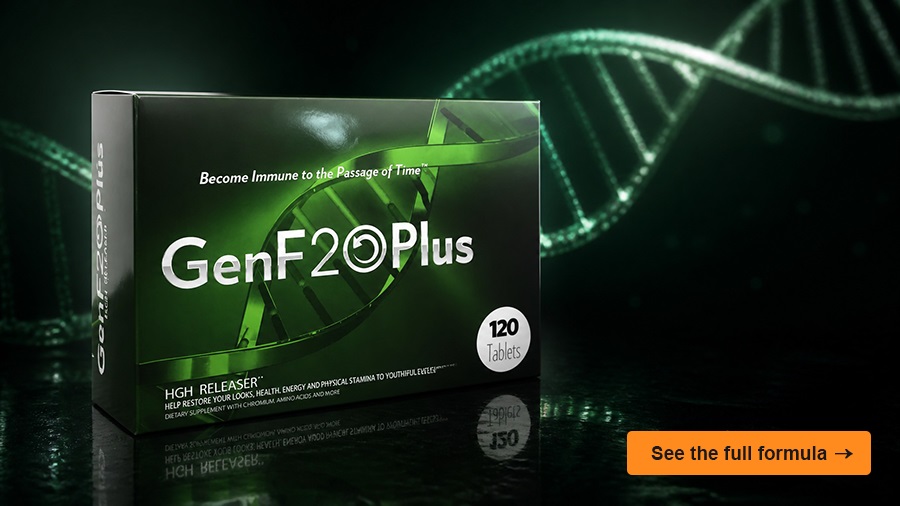
Whenever HGH comes up, it helps to keep two categories clearly apart. Prescription HGH is an injectable medicine that doctors prescribe for specific medical conditions. HGH releasers are over-the-counter dietary supplements sold without a prescription, formulated with ingredients such as amino acids and other nutrients that are intended to support your pituitary gland’s own natural release of HGH rather than supplying the hormone from outside the body. The two work in different ways, so information about one does not apply to the other.
Where HGH Releasers Fit Into a Healthy Routine
Men who choose a releaser typically treat it as one supportive part of a routine built on training, nutrition, and rest. If you are considering one, it is sensible to check with your doctor first, particularly if you take medication or have an existing health condition. A short conversation can help you pick a product that suits your goals.
Frequently Asked Questions About HGH After 30
Are HGH Releasers the Same as Prescription HGH?
No. Prescription HGH is an injectable medicine used for specific medical conditions. HGH releasers are over-the-counter dietary supplements formulated to support the body’s own natural growth hormone release.
Is the Rate of HGH Decline the Same for Every Man?
No. The 14 to 15 percent per decade figure is an average across many people, so individual men can sit above or below it.
Should I Talk to My Doctor Before Trying an HGH Releaser?
Checking with your doctor is a smart step, especially if you take medication or have a health condition. Your doctor can help you decide whether a supplement fits your situation.