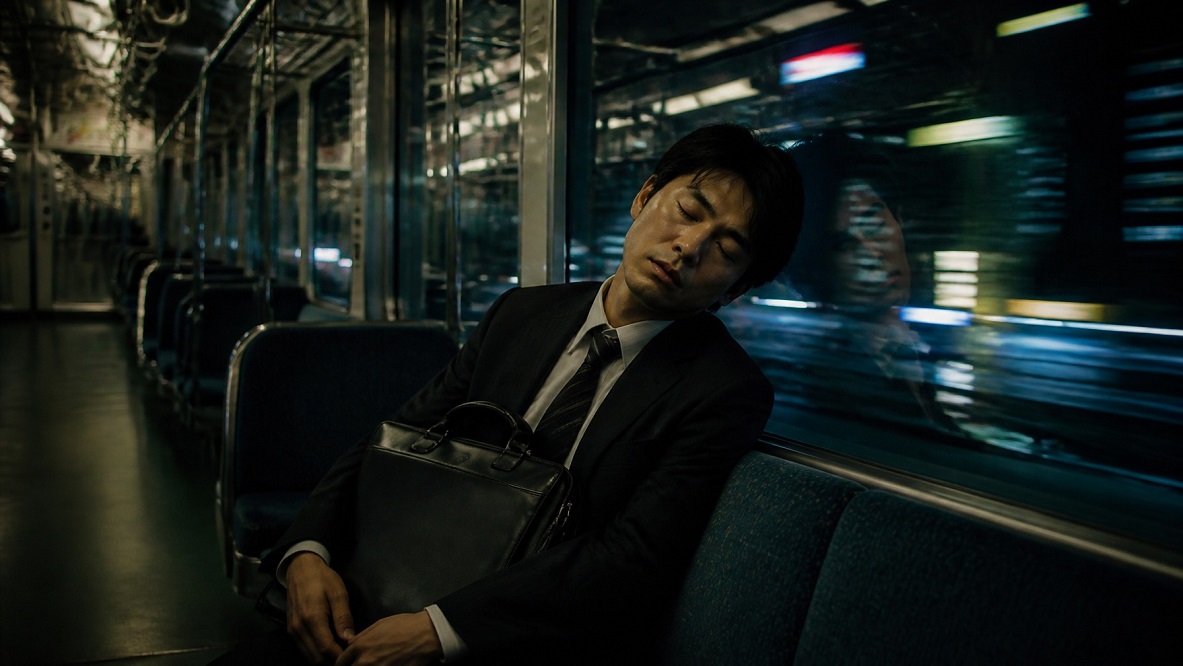
Karoshi is the Japanese word for death caused by overwork. Japan’s government formally documented it in a 2016 white paper and passed overtime limits in 2018, which shows both how deeply long hours can be rooted in a culture and how rules can begin to change it. The lesson reaches well beyond Japan: working hours are shaped by shared expectations as much as by schedules.
What Karoshi Means
According to Nippon.com’s coverage of the first government white paper, karoshi is death caused by overwork. Excessive hours can lead to physical and mental exhaustion that damages health. Japan’s labor accident standards treat 80 hours of overtime a month as the karoshi line.
Officially recognized cases include deaths from heart or brain failure, as well as suicide or attempted suicide linked to work-related mental health problems. It is a heavy subject, and it is worth treating with care.
What Japan’s First Karoshi White Paper Revealed
The government issued its first karoshi white paper in October 2016. It reported that, in fiscal year 2015, insurance payouts covered 96 cases of death from heart or brain failure and 93 cases of suicide or attempted suicide tied to mental health problems.

A survey of companies found that 22.7 percent had full-time employees working beyond the karoshi line. The share was highest in information and communications at 44.4 percent. The coverage also described the officially recognized cases as only a portion of the true picture, since many work-related harms go unrecognized.
Why Long Hours Took Root in Japan
Commentators often point to loyalty to the company, expectations to stay as long as colleagues do, and a tradition of long-term employment. Together these create a climate where leaving on time can feel like letting the team down.
The white paper noted that average hours in Japan have declined, largely because of more part-time work, while full-time employees still averaged about 2,000 hours a year in the data it cited. It is a useful reminder that an average can look healthy while many people still carry a heavy load.

Japan’s Overtime Caps and Their Limits
Japan passed its Work Style Reform Law in June 2018. As summarized by the law firm Proskauer, it generally limits overtime to 45 hours a month and 360 hours a year, with exceptions for busy periods of up to 100 hours in a month and 720 hours in a year. The rules took effect in April 2019 for large employers and April 2020 for small and mid-sized ones, with financial penalties for violations.
Critics point out that highly skilled professionals earning above a set income level are exempt, which they say weakens the law. Still, writing limits into law was a significant step, and it signals that overwork is no longer treated only as a private matter.
What Every Workplace Can Learn From Karoshi
Long hours are a global concern. A WHO and ILO study estimated that long working hours were linked to about 745,000 deaths from stroke and ischemic heart disease in 2016. Japan’s experience is one vivid case of a worldwide pattern.
- Treat hours as a cultural choice, not just a scheduling detail.
- Watch for warning signs such as constant exhaustion, dread, and withdrawal.
- Let leaders set the pace by taking real time off themselves.
- Remember that rules help most when everyday norms support them.
If work stress feels overwhelming, talking with a healthcare professional or someone you trust is a sound step.
Common Questions About Karoshi and Overwork
What does karoshi mean?
Karoshi is a Japanese term for death caused by overwork. Officially recognized cases include deaths from heart or brain failure and suicide or attempted suicide linked to work-related mental health problems.
What is the karoshi line?
Japan’s labor accident standards treat 80 hours of overtime per month as the karoshi line, a level associated with a higher risk of work-related illness.
Did Japan pass laws to prevent karoshi?
Yes. The Work Style Reform Law, passed in 2018, generally limits overtime to 45 hours a month and 360 hours a year, with exceptions for busy periods. Critics note that some highly paid professionals are exempt.