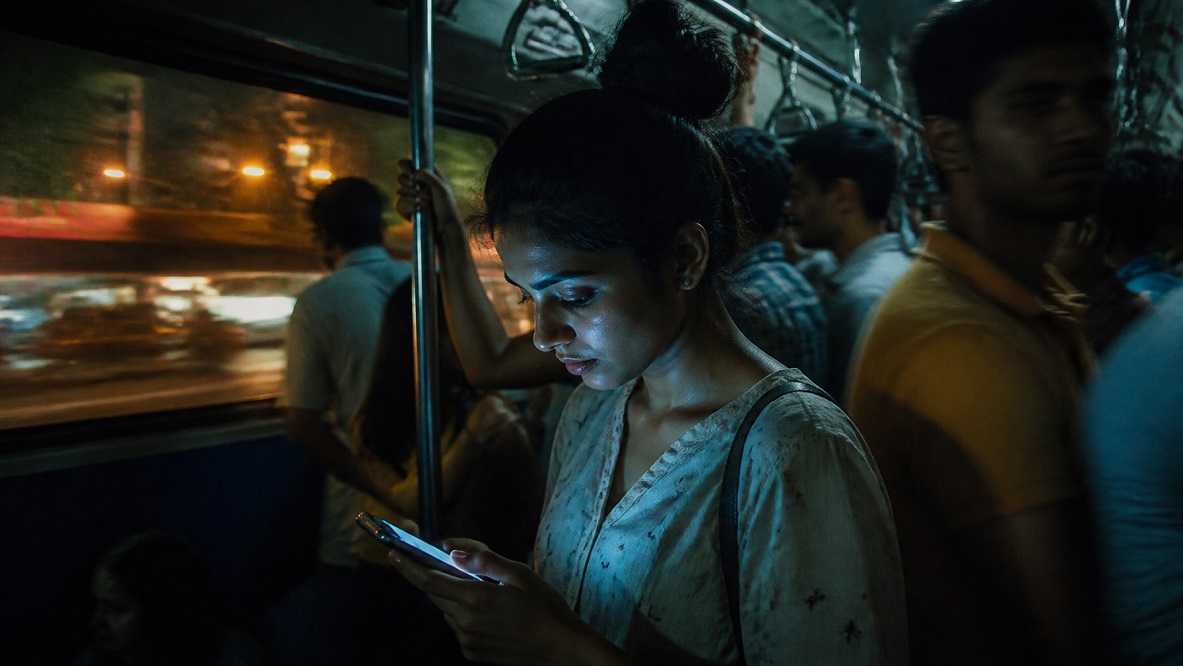
Doomscrolling, the habit of scrolling through a stream of negative news long after you meant to stop, has become a shared experience rather than a personal quirk. It grew out of constant connection, feeds with no bottom, and a world that often feels uncertain. Seeing it as part of our culture makes it easier to talk about, and easier to change.
Where the Word Doomscrolling Came From
The term is thought to have started on Twitter in 2018 and spread widely in 2020, during the height of the COVID-19 pandemic, according to a World Economic Forum summary of University of Florida research. Those researchers built a survey scale to measure the behavior and found that a doomscroller is more than someone who simply wants to stay informed.
Their work appeared in the American Psychological Association’s journal Technology, Mind, and Behavior, which helped show that doomscrolling is its own behavior and not just a trendy label, as UF News explained.
Why Bad News Is So Hard to Put Down
Researchers who looked across 17 empirical studies describe doomscrolling as a habitual, compulsive behavior reinforced by design features such as infinite scrolling and algorithmic content delivery, in a scoping review in Mental Health and Digital Technologies. They point to rumination, emotional exhaustion, and discomfort with uncertainty as possible explanations.
That last one makes intuitive sense. When the world feels unpredictable, checking one more update can feel like a way to get ready for whatever comes next. The scroll promises clarity, and the feed always has one more post.
How Platform Design Keeps the Scroll Going
A television news broadcast ends. A feed does not. Without a natural stopping point, the decision to stop falls entirely on you, and recommendation systems are built to show more of whatever holds your attention.
That is worth remembering the next time you look up and an hour has passed. The habit is partly a design pattern, not only a personal failing.

Who Doomscrolls and What Researchers Still Do Not Know
The Florida study found no ideological split, with doomscrollers on both the left and the right. Men and younger people were more likely to do it than women and older adults, according to another World Economic Forum report. The behavior was also linked to a fear of missing out and constant connection through smartphones.
Researchers say it remains unclear whether doomscrolling leads to anxiety or anxiety leads to doomscrolling, and they suspect the two feed each other. The scoping review likewise found associations with anxiety, depression, and stress, but most of the studies were cross-sectional and relied on self-reports, so cause and effect is still being studied.
Every era has had its news habit: the morning paper, the evening broadcast, the radio on the kitchen table. What is different now is that the news follows us into every quiet moment.
There is encouraging news, too. Lead researcher Benjamin K. Johnson has said that many people recognize the habit in themselves and put measures in place to opt out, forming new media habits once they notice how the scrolling makes them feel, as the World Economic Forum summary notes.
Small Habits That Change the Scroll
- Pick set times to check the news, and stop when the time is up.
- Keep your phone out of reach at bedtime so your last read of the day is not a headline feed.
- Choose a few trusted sources instead of an open-ended feed.
- Mix in people and topics that are not about a crisis, like a hobby account or a friend’s photos.
- Notice the moment you start, and ask what you were hoping to find.
- Take a short walk after a heavy news session.
Common Questions About Doomscrolling
What Is Doomscrolling?
Doomscrolling is the compulsive scrolling of negative news or social media content, often well past the point where it is useful or enjoyable. Researchers continue to study how it relates to mood and stress.
Is Doomscrolling the Same as Staying Informed?
Not quite. The Florida research found that doomscrolling is distinct from simply wanting to stay informed. Staying informed usually has a stopping point, while doomscrolling tends to keep going.
Can People Change a Doomscrolling Habit?
Many people do. Researchers note that once people become aware of the habit, they often build new media routines. If the habit leaves you feeling distressed, a mental health professional can help.