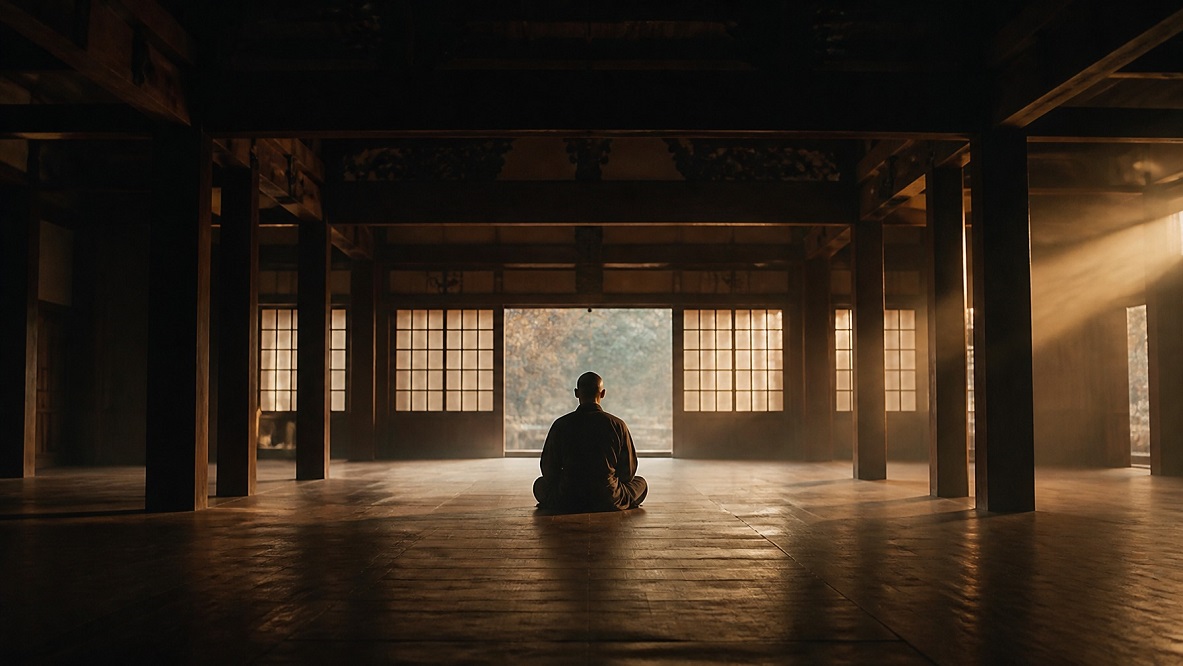
Digital minimalism is a way of using technology on purpose, and versions of it are appearing around the world. They include a book-inspired 30-day declutter, a day of unplugging rooted in Jewish tradition, a Japanese city’s two-hour guideline, and school phone bans in most education systems. The shared idea is that technology should serve your values, not the other way around.
What Digital Minimalism Means
The term is closely tied to author Cal Newport. According to the publisher’s description of his book, digital minimalism applies the idea of minimalism, knowing how much is enough, to personal technology.
The philosophy treats technology as neither good nor bad. The goal is to use tools in ways that support your goals and values. The book argues that small fixes, like silencing notifications or taking an occasional digital sabbath, do not go far enough, and it offers a thirty-day digital declutter as a starting point.
The appeal is practical. Instead of asking whether a tool is good or bad in general, minimalism asks a simpler question: does this tool earn its place in my life? That makes the approach easy to adapt in any culture, family, or workplace.
Unplugging Rooted in Rest
Some of the most familiar unplugging traditions come from older rhythms of rest. Reboot, a network that set out to reinvigorate Jewish culture and ritual, created the Sabbath Manifesto and launched a National Day of Unplugging that began in March 2012, as My Jewish Learning explains.
Its ten principles invite people to avoid technology, connect with loved ones, get outside, and find silence, and they are open to each person’s own interpretation. The themes echo Shabbat, which shows how an old practice can answer a very modern problem.

Japan’s Two-Hour Experiment in Toyoake
In September 2025, the city council of Toyoake, a Japanese city of about 70,000 residents, passed an ordinance setting a limit of two hours a day for recreational smartphone use. The Register described the limit as symbolic, and its coverage did not mention penalties.
The stated purpose was to help citizens get enough sleep. Council documents said the measure should not be read as a call to cut all phone use, since phones have many non-recreational uses, and the city planned to survey residents about it.
The ordinance also shows how a local community can start a conversation without heavy enforcement. Even a symbolic number gives families a shared reference point for talking about screen habits.
Schools Lead the Way With Phone Bans
Classrooms may be where the movement has grown fastest. UNESCO figures reported by the Free Press Journal show that 114 education systems, or 58 percent of countries, had a national ban on phones in schools as of March 2026, up from 24 percent in June 2023. France was an early adopter, and in the United States 39 states have introduced bans or required districts to adopt phone-restriction policies.
These movements start from different values, including rest, sleep, and learning. They share a common thread: choosing when and where technology belongs, instead of letting it fill every gap.
Ways to Try Digital Minimalism at Home
- Take a thirty-day break from optional apps, then add back only the ones you miss.
- Pick a weekly unplugged evening and make it a family tradition.
- Set a recreational screen guideline that fits your life, as Toyoake did for its residents.
- Keep phones out of the bedroom and off the dinner table.
- Replace a scrolling habit with an offline one, like a walk or a hobby.
- Review your tools every few months and keep only what serves your values.
Common Questions About Digital Minimalism
What Is Digital Minimalism?
Digital minimalism is a philosophy of using technology on purpose, keeping the tools that support your values and dropping the ones that do not. It is about how much technology is enough for you.
Is Digital Minimalism the Same as a Digital Detox?
Not quite. A detox is usually a short break, while digital minimalism is an ongoing method for deciding which tools to use, for what purposes, and under what conditions.
Do I Have to Give Up Technology to Be a Digital Minimalist?
No. The philosophy treats technology as neither good nor bad. The aim is to use it in ways that support what matters to you.