
Reading gets harder after 40 primarily because of presbyopia, a natural stiffening of the eye’s internal lens that makes shifting focus onto close-up words and fine print more demanding over time. Smaller pupil size, subtle shifts in tear moisture, and dimmer room lighting also make letters look less crisp at the end of a long day. You can keep reading comfortable with good task lighting, sensible arm’s-length positioning, timely lens updates, regular screen breaks, and daily macular nutrition.
What Happens to Your Eyes When Close-Up Text Blurs
Think of the natural lens inside each eye as an autofocus ring on a camera. When you look across a yard or at a highway sign, that lens stays relatively relaxed; when you glance down at a paperback novel, a nutrition label, or a text message, tiny ciliary muscles contract so the lens can curve slightly more and bring nearby detail into sharp focus.
Starting in your early to mid-40s, the proteins inside that lens gradually lose flexibility. Even when your focusing muscles pull just as hard as they used to, the lens cannot reshape as easily for up-close work. Eye specialists call this normal age-related shift presbyopia. According to vision health guidance from the National Eye Institute, presbyopia is a routine part of aging that eventually affects nearly everyone, even people who never needed glasses in their younger years.
Because the change creeps up slowly, many readers first notice it when trying to read small print in low light or when their arms start feeling a little too short at dinner time.

Everyday Clues That Your Reading Needs Are Shifting
Presbyopia rarely announces itself all at once. Instead, it shows up in small, recognizable moments during ordinary reading and device use.
- Holding Books or Menus Farther Out: Moving reading material away from your face helps your eyes find a distance where focus locks in more easily, right up until your arm runs out of reach.
- Needing Extra Light for Fine Print: As we age, pupils naturally become slightly smaller and the lens lets a bit less light pass through. Brighter, well-aimed light boosts contrast between dark ink and light pages so letters stand out cleanly.
- Tired Eyes and Brow Tension After Reading: Sustained near focus keeps your focusing muscles working overtime, which can leave your eyes feeling heavy or trigger a mild ache around your temples or forehead.
- Faster Blur on Phones and E-Readers: Small fonts and glowing screens add extra visual demand, especially when you read late at night or in a moving vehicle.
Helpful Habits That Make Reading Easier Every Day
You cannot stop your lens from gradually becoming less flexible, yet smart daily habits take a huge amount of strain off your eyes so reading stays enjoyable and relaxed.
- Turn On Dedicated Task Lighting: Place an adjustable reading lamp or desk light where it illuminates your book or workspace evenly without casting harsh glare directly onto glossy pages or your screen.
- Give Your Focusing Muscles Regular Breaks: Every 20 minutes during close reading or screen time, look at something at least 20 feet away for 20 seconds so your focusing system can relax.
- Boost Font Size and Contrast on Screens: Bump up text size on your phone, tablet, and computer monitor, and choose high-contrast display settings so you do not have to squint at tiny characters.
- Blink More Often and Stay Hydrated: Concentrating on words slows your blink rate, letting tears evaporate faster. Consciously completing full blinks – and keeping lubricating drops nearby when air is dry – helps prevent scratchy, tired eyes.
- Get Routine Comprehensive Eye Exams: Up-to-date reading glasses, progressive lenses, or contact lenses match your exact focal needs and keep you from straining unnecessarily.
Nourishing Your Eyes From the Inside Out
Ergonomics and updated eyewear solve the mechanical side of reading comfort, while targeted daily nutrition supports the delicate retinal tissues that handle contrast, glare, and visual stamina. Inside the center of your retina, the macula relies on carotenoid antioxidants – especially lutein and zeaxanthin – to filter high-energy blue light and support crisp central vision.
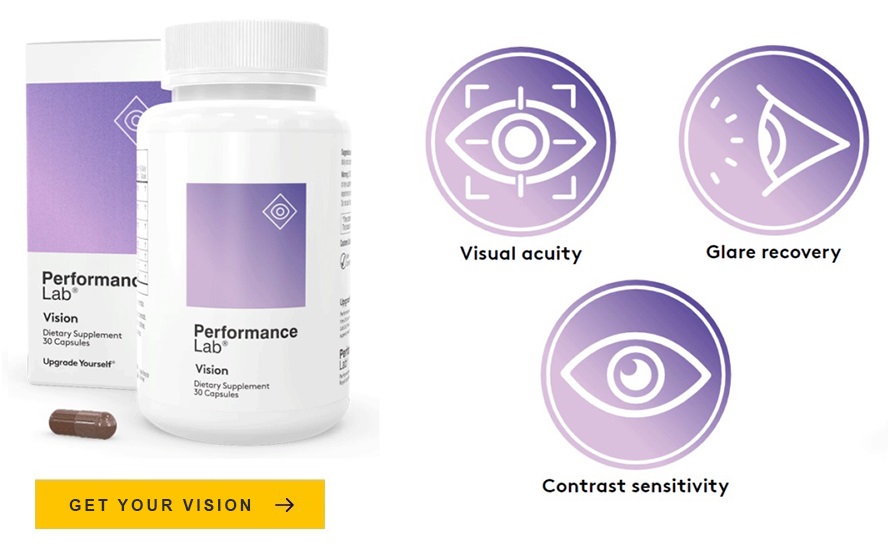
Pairing those macular carotenoids with astaxanthin and berry anthocyanins offers even broader support for tired eyes, microcirculation, and glare recovery. Formulas such as Performance Lab Vision combine marigold-derived lutein and zeaxanthin with microalgae astaxanthin, saffron, European blackcurrant, and bilberry in one daily vegan capsule to support comfortable focus, contrast, and visual resilience through busy days of reading and screen work.
With thoughtful lighting, regular rest breaks, proper lenses, and consistent eye nutrition, turning pages and checking your messages after 40 can feel effortless again.