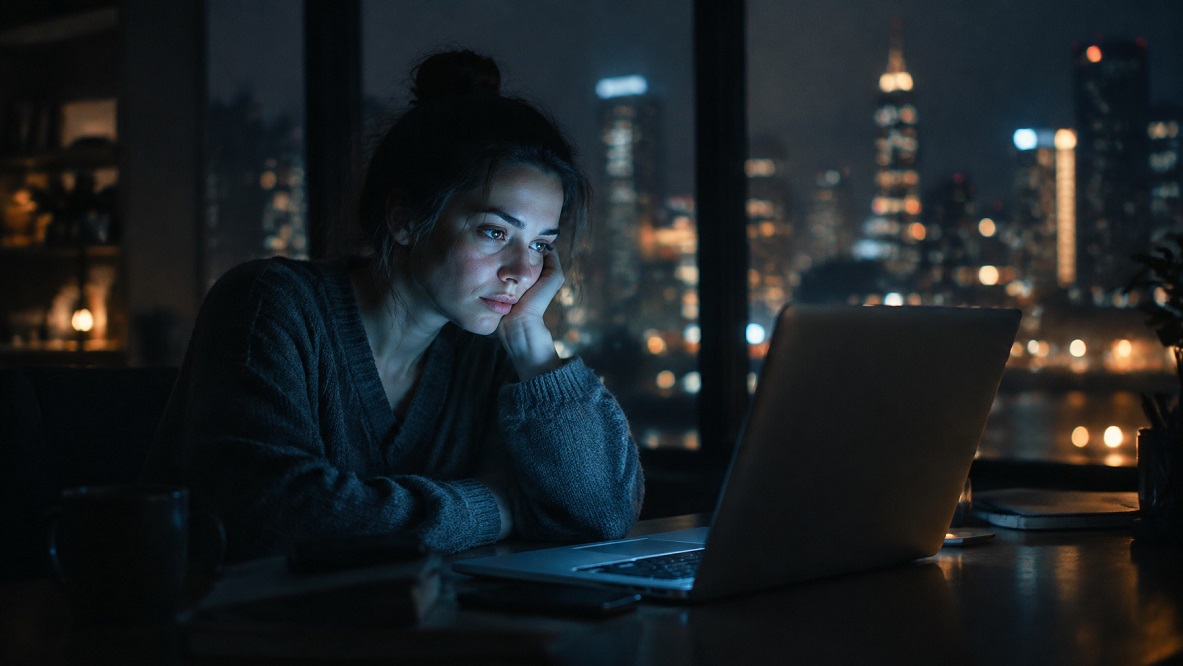
Dark mode isn’t automatically easier on your eyes, but it isn’t a myth either. Research on whether dark mode reduces eye strain is mixed, and much of the discomfort people blame on screens comes from long stretches of staring and not blinking enough. Dark mode tends to feel better in dim rooms, while light mode is often easier to read in bright spaces, especially if you have astigmatism. The good news is that you can test both in a week and pair your pick with a few simple habits that make a bigger difference.
What the Research Says About Dark Mode and Eye Strain
If you were hoping for a clear winner, the science doesn’t hand one over yet. A recent paper on light and dark mode in tablet users notes that the immediate effects of each mode on visual fatigue remain unclear. Some studies have also failed to find a significant difference in reported eye strain or headaches between the two. Meanwhile, plenty of people say dark mode feels better to them, and that comfort counts for something.
Why Light Mode Can Win in Bright Rooms
Your pupils shrink in bright light and widen in dim light. A smaller pupil works like a smaller camera aperture. It gives you a little more depth of focus, which helps keep small text crisp. That’s one reason reading performance tends to be better with dark text on a light background for people with normal or corrected vision, especially in well-lit spaces.

When Dark Mode Feels Better for Your Eyes
Flip the scenario and dark mode starts to make sense. A glaring white screen in a dim bedroom or living room can feel harsh, and many people find a darker interface gentler after sunset. If you’re sensitive to bright light, dark mode may be more comfortable all day.
Some people with cataracts and related conditions have also been found to read better in dark mode, so it’s worth a try if that’s you.
Dark Mode and Astigmatism: Why Text Can Look Fuzzy
Astigmatism is common. It happens when the front surface of the eye is shaped a bit more like an egg than a ball, so light doesn’t focus evenly. In dark mode, your pupils open wider, which lets more of those focusing quirks show up. Some people notice a glow or halo around white letters, which can make text look fuzzy.
If dark mode makes your text bloom or blur, that’s useful information. Switch back to light mode, or soften the contrast with off-white text on a dark gray background instead of pure white on pure black.
What Dark Mode Can’t Fix About Digital Eye Strain
According to the American Academy of Ophthalmology, digital eye strain happens largely because we blink less when we look at screens. Long stretches of close-up reading and writing add to it. Symptoms include blurry vision, headaches, and tired, dry eyes.
No color theme changes how often you blink. The AAO also says blue light from screens hasn’t been shown to cause permanent eye damage, so don’t count on dark mode to act as a shield.
Easy Ways to Reduce Eye Strain on Any Screen
These habits help whether you prefer dark mode or light mode:
- Use the 20-20-20 rule. Every 20 minutes, look at something about 20 feet away for at least 20 seconds.
- Blink on purpose. A few slow, full blinks during intense focus keep the surface of your eyes moist.
- Set up your screen well. Place the top of the display slightly below eye level, roughly 20 to 28 inches (about an arm’s length) from your face.
- Enlarge the text. Increase the font size instead of leaning toward the screen.
- Match brightness to the room. In the evening, keep a soft lamp on so your screen isn’t the only bright thing around you.
How to Choose Between Dark and Light Mode
Run a simple experiment: a few workdays in each mode, noting how your eyes feel at the end of the day. Or let your device switch automatically at sunset.
If you go dark, try dark gray backgrounds with off-white text, which many people find less harsh than pure black and pure white. And if either mode leaves you with ongoing headaches or blurry vision, see an eye care professional instead of trying to adjust your way out of it.
The Bottom Line on Dark Mode and Eye Comfort
Dark mode is a comfort preference, not a proven eye protector. Let your room lighting, your vision, and your own experience guide the choice, then add regular breaks, deliberate blinking, and a good screen setup for the biggest payoff.
Dark Mode Eye Health FAQs
Does Dark Mode Reduce Eye Strain?
The research is mixed. Some people feel more comfortable in dark mode, but studies haven’t consistently shown that it lowers eye strain or headaches compared with light mode.
Is Dark Mode Better for Your Eyes at Night?
It can feel gentler in a dim room because a bright white screen creates a harsh contrast with the darkness. Keeping a soft lamp on and lowering your screen brightness can help in either mode.
Is Dark Mode Bad for Astigmatism?
Some people with astigmatism find that light text on a dark background looks fuzzy or glows at the edges. If that happens to you, light mode or a dark gray background with off-white text may be easier to read.
Does Dark Mode Protect Against Blue Light Damage?
Not in any proven way. The American Academy of Ophthalmology says blue light from screens hasn’t been shown to cause permanent eye damage, and digital eye strain mostly comes from blinking less and long periods of close-up focus.