
Algae omega-3 for people with fish and shellfish allergies is a natural fit, because the oil comes from microalgae grown in tanks, not from fish or shellfish. You still get DHA and often EPA, the same omega-3s found in fish oil. Here is how to choose a product with confidence.
Why Algae Omega-3 Works Without Fish or Shellfish
Fish are famous for omega-3s, but they do not make them. Fish get EPA and DHA by eating algae or the small animals that feed on it. Algae oil skips the middle step: microalgae are grown in tanks, and their oil is refined and sealed into capsules.
That means a quality algae supplement contains no fish or shellfish ingredients, while the EPA and DHA molecules are the same ones found in fish oil. The NIH Office of Dietary Supplements lists algal oil as a vegetarian source of omega-3 supplements, so it sits comfortably in a fish-free routine.

How Algae Oil Compares With Fish Oil and Krill Oil
Fish oil goes through extensive processing to remove impurities, including proteins that can cause allergic reactions. An answer hosted by the American Academy of Allergy, Asthma and Immunology notes that this processing should eliminate the allergen, though it cannot be guaranteed. Krill oil is a different story: krill are crustaceans closely related to shrimp, so people with shellfish allergy are advised to avoid it.
With algae oil, those questions do not come up. The source is a microorganism, not an animal, which makes it a natural choice for allergy-conscious shoppers.
How to Read an Algae Omega-3 Label for Allergens
A two-minute label check makes shopping easy:
- Find the allergen statement. It is usually a Contains line. Major food allergens in the United States include milk, egg, fish, crustacean shellfish, tree nuts, wheat, peanuts, and soy.
- Scan the other ingredients, including the capsule. Some softgels use gelatin, which can come from fish or other animals, while plant-based shells use ingredients such as modified starch.
- Look for a vegan or plant-based claim and a clear statement about the manufacturing facility.
- Contact the brand if anything is unclear. Reputable companies are glad to answer.
You may spot a precautionary fish and shellfish statement on some algae products. One supplement company explains that it adds the statement because algae could have come into contact with those foods during production. Brands that explain their labeling this clearly make your decision easier.
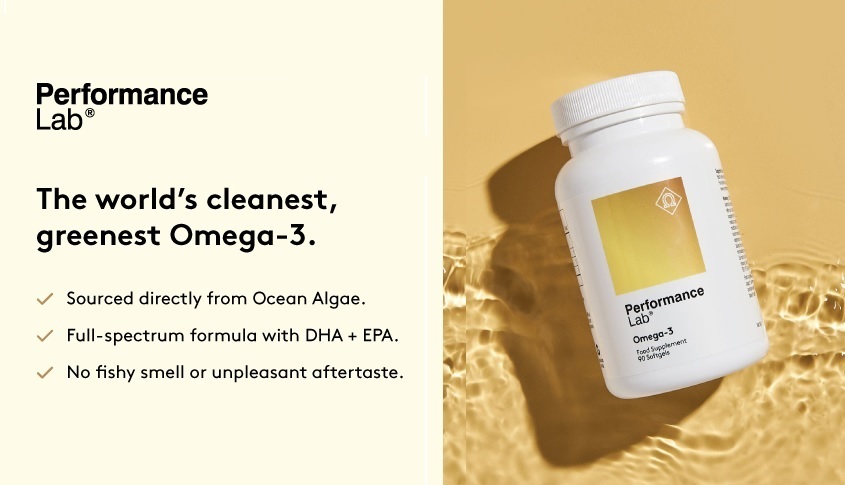
Getting Enough EPA and DHA Without Fish
Plant foods such as flax, chia, and walnuts supply ALA, but the NIH says your body converts it into EPA and DHA only in very small amounts. An algae supplement gives you those two fats directly.
Many algae oils are rich in DHA, and some are blended to include EPA, so check the Supplement Facts panel for both. A commonly cited target is roughly 250 to 500 milligrams of EPA plus DHA combined per day, and taking your capsule with a meal that includes some fat may help absorption.
Your Fish-Free Omega-3 Plan
Pick a product with a clear allergen statement and a plant-based capsule, show the label to your allergist if your allergy is severe, and take it daily with a meal. You get the omega-3s you were after, with a source that was never an animal.
Algae Omega-3 and Allergies Frequently Asked Questions
Is algae omega-3 made from fish or shellfish?
No. Algae omega-3 comes from microalgae grown in tanks. Fish and shellfish are not ingredients, though you should still read the label of any product you buy.
Can I take algae omega-3 with a shellfish allergy?
Algae oil is not derived from shellfish, and many people with fish or shellfish allergies choose it. Check the allergen statement, and ask your allergist if your allergy is severe.
Why do some algae supplements carry a fish and shellfish statement?
Some brands add precautionary statements because algae or the production environment could have contact with those foods. Contact the brand to learn how its product is made.
Is krill oil a good alternative for shellfish allergies?
No. Krill are crustaceans related to shrimp, so people with shellfish allergy are advised to avoid krill oil. Algae oil is the shellfish-free way to get EPA and DHA.