
When choosing between DHA-only and DHA plus EPA algae supplements, the simple answer is this: pick DHA plus EPA for all-around support, and choose DHA-only when brain and eye support is your main goal. Either way, algae oil delivers the same omega-3s fish make, with no fish involved. Here is how to decide in about two minutes.
Meet the Two Types of Algae Omega-3
Algae are where fish get their omega-3s in the first place, so an algae supplement goes straight to the source. Most algae oils are rich in DHA, because microorganisms such as Schizochytrium are especially good at making it. Some products stay DHA-only, and others are blended to deliver real amounts of EPA too.
The NIH Office of Dietary Supplements notes that DHA levels are especially high in the retina and brain, and that getting more EPA and DHA together from foods or supplements lowers triglyceride levels. In other words, each fat has a job, and they work well as a team.

Does DHA Alone Raise Your EPA Too?
Here is a nice bonus: research shows that taking DHA can raise EPA levels in your blood as well. Scientists are still sorting out why. A 1997 study estimated that about 9 percent of supplemental DHA was converted into EPA, while a 2019 randomized trial concluded the rise comes from slower EPA metabolism instead.
Both studies used roughly 1.6 to 3 grams a day, far more than a typical capsule. If you want a dependable EPA boost, a product that includes EPA is the most straightforward route.
When DHA-Only Algae Oil Is a Great Fit
A DHA-only product shines in a few situations:
- Your doctor or midwife recommended a DHA-focused product during pregnancy or breastfeeding.
- You already get EPA from another source, such as a separate supplement or fortified foods.
- Your main goal is supporting brain and eye health.
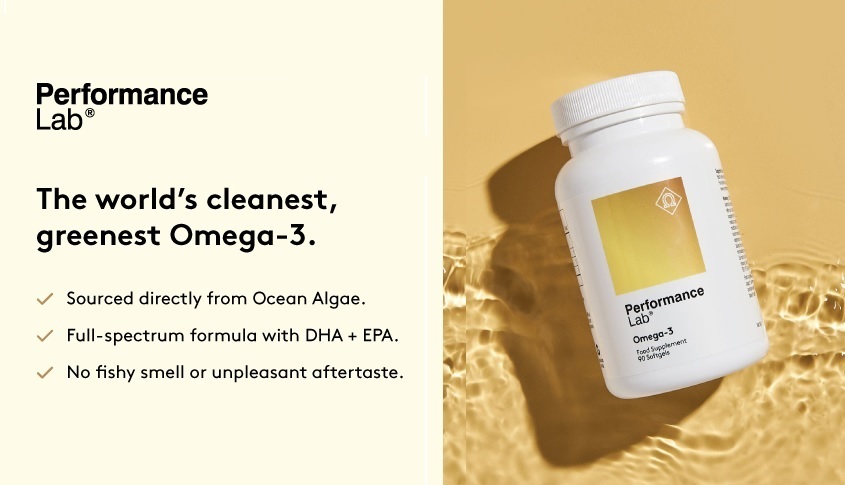
Why DHA Plus EPA Is the Everyday Favorite
For general wellness, a blend keeps things simple. A published review of cardiovascular research concluded that focusing on combined EPA and DHA intake is the most prudent approach, thanks to their possible complementary effects and the larger body of evidence on the two together.
Plant-based diets supply very little EPA, so a blend closes that gap in one capsule. A commonly cited target is roughly 250 to 500 milligrams of EPA plus DHA per day, and an algae supplement makes that easy to reach.
How to Read an Algae Omega-3 Label in Two Minutes
Flip to the Supplement Facts panel and look for separate lines showing EPA and DHA in milligrams. Those numbers tell you what you are really getting. In one pilot study, an algal oil provided 595 milligrams of DHA and 21 milligrams of EPA per day, which shows how much the mix can vary from product to product.
If you want both fats, add the two lines together instead of relying on a total labeled “omega-3.” Then look for third-party testing and a plant-based capsule shell, and you are set.
Choosing the Algae Omega-3 Mix That Fits You
Pick your goal, then match the label. With no special reason to go DHA-only, a product with both EPA and DHA is the easiest default. If a DHA-focused plan makes more sense for you, algae oil delivers that too, and it fits any plant-based routine.
DHA-Only vs. DHA and EPA Algae Supplements Frequently Asked Questions
Do I need EPA if I already take DHA?
DHA supplements can nudge EPA levels up a little, but the effect is debated. If you want a reliable source of both, choose a product that lists both EPA and DHA on the label.
Is DHA or EPA better?
Neither wins across the board. DHA is concentrated in the brain and eyes, while EPA and DHA together have been studied for triglycerides and heart health. Most adults do well with a product that contains both.
Can I take a DHA-only and an EPA supplement together?
Yes, many people do. Add up the totals on both labels so you know your daily amount, and check with your doctor if you take medication.