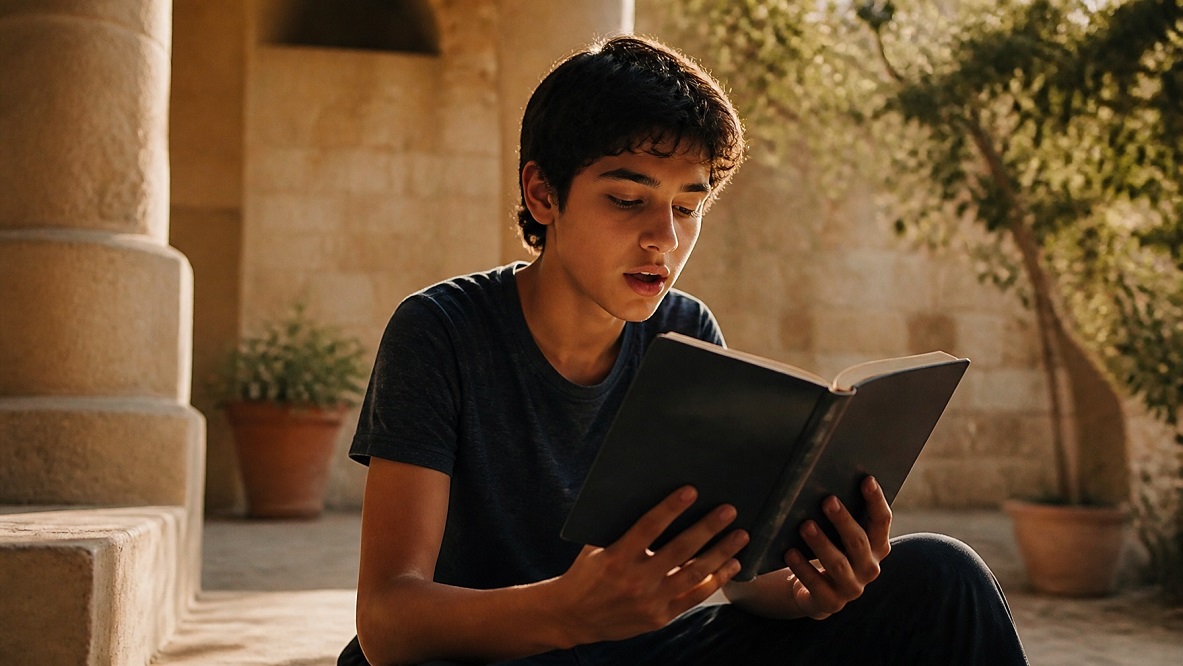
Students who become hafiz memorize the entire Quran in Arabic, usually through structured daily repetition, recitation to a teacher, and constant review. A study of one tahfiz school in Malaysia describes a routine built on exactly those three pillars. It is a devotional achievement honored in Muslim communities, and it shows what disciplined practice can do.
What It Means to Become a Hafiz
A hafiz is someone who has memorized the entire Quran in Arabic. The Pluralism Project at Harvard describes this as a high honor, reached by learning proper recitation from memory, and a primary goal of Islamic education for children.
The achievement is first of all an act of devotion and community service. The study habits behind it are interesting to outsiders, but they serve a spiritual purpose that no memory technique can fully describe.
A Day in a Tahfiz School
A study of a tahfiz madrasah in Terengganu, Malaysia describes students memorizing from about 5:00 a.m. to 10:00 p.m., with short breaks for prayer and light meals.

New passages are read roughly 40 times from the mushaf before a student tries them from memory. Students then recite to a partner of similar level, who checks the text and counts errors, and finally to teachers who record progress in special books. The study draws on a single school, so these routines are one example, not a universal recipe.
Notice how much of the day is review and teamwork instead of solitary struggle. Partners, teachers, and a shared schedule carry part of the load, which may help explain how students stay on course over such a long project.
Review Is the Secret of Retention
The same study outlines four stages. Sabak is new memorization, usually half a page to two pages. Para Sabak is a daily review of that new material. Ammokhtar reviews earlier sections in their Quranic order, one juz’ per day. Halaqah Dauri is a cycle of review for students who have finished the whole text, lasting from about six months to two years.
According to the study, students at the school can recite all 30 juz’ from memory in roughly 15 hours. The final test is judged by three teachers, and more than 10 mistakes sends the student back to review. The school reported 137 students completing the method between 2005 and 2011.

What Research Says About Memory Skills
Researchers at the University of York, publishing in the journal Memory in 2020, compared 10 hafiz, 12 matched Muslim controls, and 10 non-Muslim participants in a small natural experiment. The groups did not differ in their ability to memorize new verbal or visuospatial material.
In other words, memorizing the Quran does not appear to work like a general memory workout. The study also found that half of the hafiz did not understand Arabic, yet their Quranic memory matched that of the others. With such small groups, the authors’ findings are a starting point, not a final word.
Study Habits Anyone Can Borrow
These habits come from a devotional setting, so it is worth borrowing them with respect. They are also ordinary learning principles that appear in many fields: chunking, spaced review, practice with feedback, and community support.
- Learn in small chunks, and repeat each one many times before testing yourself.
- Recite to a partner who can check your work and catch mistakes.
- Study new material when you are fresh, and review it later the same day.
- Review older material in order, and in regular cycles instead of all at once.
- Keep a steady daily schedule so practice becomes routine.
- Learn with a teacher or community, since support keeps people going.
Common Questions About Hafiz Students
What Is a Hafiz?
A hafiz is a person who has memorized the entire Quran in Arabic. It is considered a high honor in Muslim communities.
How Do Hafiz Students Avoid Forgetting What They Learned?
In the Malaysian school described in one study, students move through structured stages of review, including daily review of new material, review of earlier sections in order, and long cycles after finishing the text.
Does Memorizing the Quran Improve General Memory?
A small 2020 study from the University of York found no difference between hafiz and others on standard memory tests with new material. Researchers continue to study how such expertise develops.