
Traditional ingredients usually reach the supplement aisle in three steps: a community uses a plant for generations, researchers start to study it, and companies package it for modern shoppers. It is an appealing path, but it comes with a catch. The FDA does not approve dietary supplements before they are sold, so shoppers have to read labels and ask questions.
Step One: A Plant Earns a Local Reputation
Every mainstream ingredient started as local knowledge. According to the National Center for Complementary and Integrative Health, rhodiola has a long history of use in Russia and Scandinavia, where people used it for endurance and fatigue. Bacopa grew in the wet ground of India, where Ayurveda grouped it with herbs traditionally associated with memory and learning.
At this stage the knowledge is passed along by families, healers, and teachers. It comes with practical details, like which part of the plant to use and how to prepare it. Nobody is trying to sell it to a global audience.
Step Two: Researchers Take Notice
Interest grows when scientists start asking whether a reputation holds up. In the 20th century, Soviet researchers studied rhodiola and similar plants as adaptogens, a term for substances said to help the body cope with stress. Bacopa drew attention from researchers who measured its active compounds, such as bacosides, and tested extracts in studies.
Research is a strength of this process, but it rarely settles things quickly. Early studies tend to be small and results can differ, which is why headlines often sound more certain than the science does.
Step Three: Capsules, Branding, and Global Marketing
Once a traditional ingredient gains attention, companies standardize extracts, put them in capsules, and give them modern branding. L-theanine is a good example. It was identified in green tea in the 20th century, and according to an industry overview, most supplement-grade L-theanine today is made by fermentation rather than extracted from tea leaves.
That shift makes an ingredient consistent and affordable, but it also changes the story. A cup of tea and a capsule are not the same experience, and the cultural context rarely fits on a label.
What Supplement Regulation Does and Does Not Cover
According to the FDA, the agency does not approve dietary supplements for safety, effectiveness, or labeling before they reach consumers. Companies are responsible for making sure their products are safe and accurately labeled, and the FDA’s role mainly begins after a product is on the market.
In practice, that puts more responsibility on the shopper. Look for clear labels with the botanical name and the amount of each ingredient, and be cautious about any product that promises dramatic results.
Where Mind Lab Pro Fits Into This Story
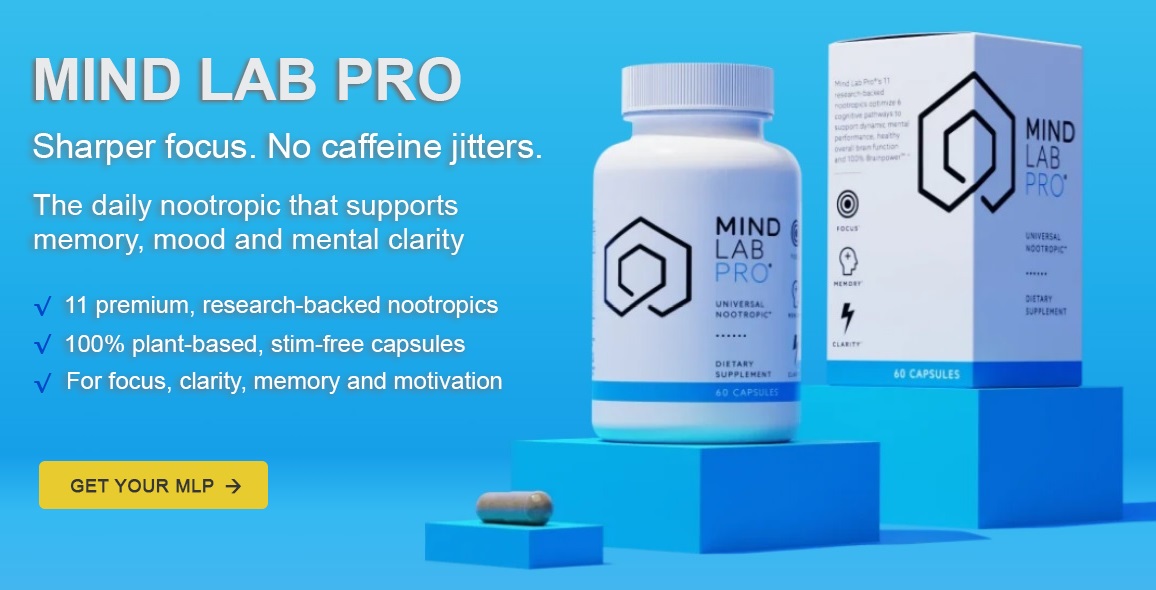
Mind Lab Pro is one example of a modern product built around ingredients with traditional backgrounds, including Bacopa, Lion’s Mane, Rhodiola, and L-Theanine. Like any supplement, it is not a replacement for sleep, food, or medical care.
How to Shop Smart for Traditional Ingredients
- Read the full ingredient list, not just the front of the bottle.
- Look for the botanical name and the amount per serving.
- Be wary of promises that sound too big to be true.
- Ask a pharmacist or physician about possible interactions.
- Keep the basics in place: sleep, movement, and a varied diet.
Common Questions About Supplements and Traditional Ingredients
Are dietary supplements approved by the FDA before sale?
No. The FDA does not approve dietary supplements for safety, effectiveness, or labeling before they reach consumers, and companies are responsible for making sure their products are safe and accurately labeled.
Why do traditional ingredients become so popular?
Stories of long use are appealing, and research attention can add credibility. Marketing then packages the ingredient in a modern form that is easy to buy and take.
How can I tell if a traditional ingredient is worth trying?
Check the research, read the label for the botanical name and amount, and talk with a healthcare professional. A long history is interesting, but it is not proof.
Disclosure: This article contains an affiliate link. If you purchase through it, Inspire Culture may earn a commission at no extra cost to you. This content is for general interest and is not medical advice. Talk with a healthcare professional before starting any supplement.