
Your eyes usually twitch because tiny, involuntary spasms occur in the eyelid muscle – a harmless condition doctors call eyelid myokymia – often sparked by stress, lack of sleep, extra caffeine, or prolonged screen time. Most fluttering settles down on its own once you rest, cut back on stimulants, and give your eyes regular breaks from close-up work. Persistent twitching lasting more than a few weeks, spreading to other parts of your face, or forcing your eye shut calls for a checkup with an eye doctor.
Everyday Triggers Behind Eyelid Twitches
An eyelid twitch feels like a tiny, rhythmic pulse or ripple under the skin, most often in the lower lid of one eye. Even when it feels dramatic up close, onlookers barely notice it, and it rarely signals a serious problem.
- Stress and Mental Overload: Busy deadlines, tension, and high mental demands heighten nervous system activity, making fine muscle fibers around the eye more prone to brief spasms.
- Lack of Sleep and Fatigue: Running on short nights leaves your body and nervous system stretched thin, turning minor muscle excitability into a noticeable flutter.
- Too Much Caffeine: Extra cups of coffee, strong tea, or energy drinks stimulate nerve signals and muscle reactivity, especially if you already slept poorly or drank more than your usual amount.
- Prolonged Screen Time and Eye Strain: Staring at monitors or phones for hours reduces blinking and keeps your visual system working overtime. Clinical guidance from the American Academy of Ophthalmology highlights fatigue, stress, and excess caffeine among the top everyday culprits behind eyelid spasms.
- Dry Eyes and Surface Irritation: Wind, indoor heating, allergies, or dry eye surface irritation can irritate delicate nerve endings along the eyelid margin and trigger reflexive fluttering.
Simple Ways to Calm an Annoying Twitch
Because routine eyelid twitching is usually self-limiting, calming it down comes down to dialing back your daily stressors and giving your eyes room to recover. Start with a few straightforward adjustments over the next several days.
Prioritize a full night of restorative sleep and trim back excess caffeine until the fluttering fades. Build regular screen breaks into your day by looking away from your display every 20 minutes, and keep lubricating drops handy if your eyes feel dry or scratchy. A gentle warm compress over closed eyes can also relax tired lid muscles and soothe mild surface dryness.

When to See an Eye Doctor
Most brief eyelid twitches clear up within days or a couple of weeks without special treatment. Still, paying attention to how the twitch behaves helps you know when to get professional eyes on it.
Book an appointment with an eye care specialist if your eyelid keeps twitching past two to three weeks, if spasms pull your eyelid forcefully shut, or if twitching spreads to your cheek or mouth. You should also seek prompt care if you notice redness, swelling, discharge, drooping of the lid, or sudden changes in your vision.
Supporting Eye Comfort and Screen Resilience Daily
Once your routine feels steadier, keeping your visual system well nourished helps your eyes handle demanding days with greater ease. Long hours in front of screens expose your eyes to visual fatigue, light scatter, and everyday oxidative stress that wear down comfort over time.
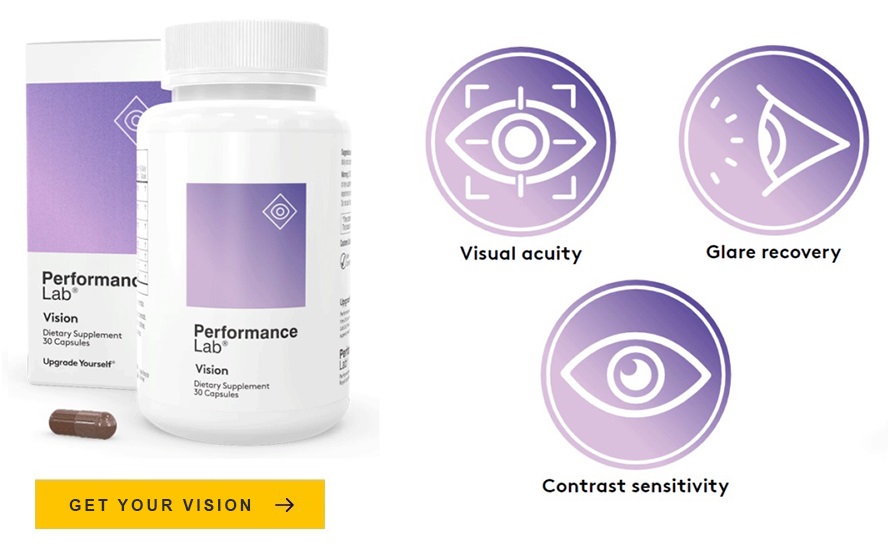
Carotenoid antioxidants and berry extracts support ocular blood flow, macular pigment density, and visual stamina from the inside out. Formulations like Performance Lab Vision pair marigold-derived lutein and zeaxanthin with microalgae astaxanthin, saffron, European blackcurrant, and bilberry in one daily vegan capsule to support comfortable focus, glare recovery, and steady eye wellness alongside smart sleep and screen habits.