
Fish get their omega-3 from algae, which makes algae oil a direct route to the same EPA and DHA found in fish oil. Fish collect these fats by eating algae or the small animals that feed on it. Here is how algae oil and fish oil compare, and what to check before you choose one.
How Fish Get Their Omega-3 From Algae
Fish are famous for omega-3, but they are not the original makers. Marine algae at the base of the food chain produce EPA and DHA, tiny animals eat the algae, and larger fish eat those animals. By the time a salmon lands on your plate, it has been collecting these fats all along the chain.
Research reviews note that fish receive most of their EPA and DHA from the algae in their diet. Land plants are a different story. They contain the shorter ALA but no EPA or DHA, which is why the algae route matters so much for plant-based eaters.
Algae Oil vs. Fish Oil Side by Side
Chemically, EPA and DHA are the same molecules no matter where they come from. The differences are in the packaging:

- Source: Fish oil comes from oily fish such as anchovies, sardines, and salmon. Algae oil comes from microalgae grown in controlled tanks.
- Fatty acid mix: Fish oil usually contains both EPA and DHA. Many algae oils are DHA-rich, and some are blended to add EPA, so the label matters.
- Contaminants: Fish can accumulate ocean pollutants such as heavy metals, so quality fish oils are purified. Algae grown in tanks never meet the open ocean, and reviews describe algal biomass as free of contaminants such as heavy metals and PCBs.
- Diet fit: Algae oil suits vegans and vegetarians, and it may suit people who avoid fish because of allergy or preference.
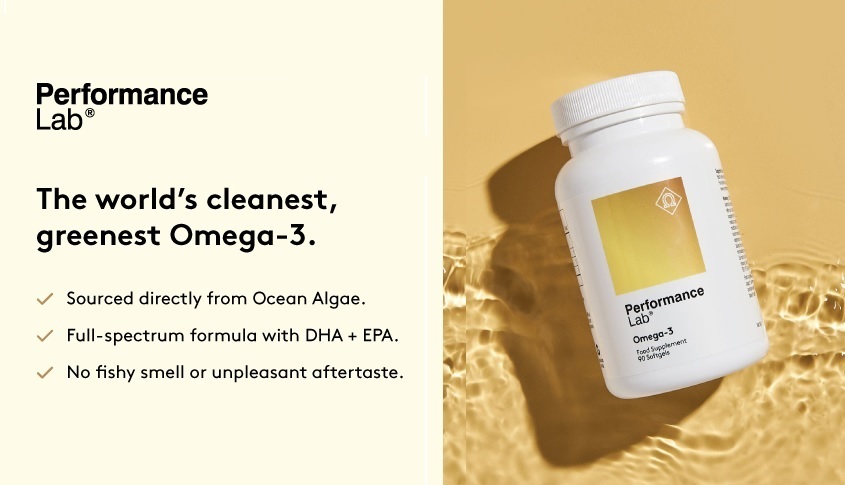
Does Algae Oil Work as Well as Fish Oil?
A randomized trial in the Journal of the American Dietetic Association compared algal-oil capsules with cooked salmon in 32 healthy adults. Over two weeks, both delivered 600 milligrams of DHA per day, and the two sources raised DHA levels in plasma and red blood cells about equally.
A few caveats apply. The study was small, short, and focused on DHA only, and its authors included people affiliated with an algal oil producer. It is good evidence, not the final word, but it supports the idea that your body treats algal DHA much like fish DHA.
Choosing Between Algae Oil and Fish Oil
If you eat fish regularly, you may not need either one. If you do not, or you simply prefer to skip fish, algae oil is the natural pick. Some producers and researchers also point to sustainability, since fish oil depends on wild-caught fish and algae oil does not.
Whichever you choose, compare the EPA and DHA amounts on the Supplement Facts panel, not the total oil per capsule. Look for third-party testing, and ask your doctor first if you take blood thinners or are pregnant. The NIH Office of Dietary Supplements is a good plain-language reference.
Which Omega-3 Source Fits Your Plate?
Fish oil and algae oil are two routes to the same fats, and algae is the original source. Pick the one that matches your diet, check the label for EPA and DHA, and stay consistent. Consistency matters more than which route you take.
Algae Oil vs. Fish Oil Frequently Asked Questions
Do fish make their own omega-3?
Mostly not. Fish get most of their EPA and DHA from algae, either directly or through the smaller animals they eat.
Is algae oil the same as fish oil?
The EPA and DHA molecules are the same. What differs is the source, the typical mix of EPA and DHA, and the fact that algae oil contains no fish.
Does algae oil contain EPA?
Some do. Many algae oils are mostly DHA, while others are blended to include EPA. Check the Supplement Facts panel for the amount of each.