
Mental fatigue in the information age comes less from being busy, which people have complained about for millennia, and more from constant interruptions. Research by Dr. Gloria Mark found that average attention on a single screen dropped from about two and a half minutes in 2004 to roughly 47 seconds in recent measurements. Small habits that protect your focus can help your mind recover.
What Past Generations Did Not Have to Face
Our ancestors worked hard, and they worried about busyness, too. The Roman philosopher Seneca wrote about wasted time roughly 2,000 years ago, and his complaints could fit a modern inbox. What they did not have was a pocket device that delivers an endless stream of messages, headlines, and notifications at all hours.
Information once arrived slowly and in limited amounts. A letter took days. A newspaper came once a day. Today the flow is continuous, and each item asks for a small decision about whether to respond now or later. Those tiny decisions are easy to overlook, yet a mind that makes hundreds of them each day has less left for the work that matters.
How Our Attention Is Being Divided
Dr. Gloria Mark, a researcher who studies attention, has measured how long people stay on a single screen. In a CNN report on her work, she describes an average of about two and a half minutes in 2004, then about 75 seconds a few years later, and now about 47 seconds.
That figure measures attention on a screen, not intelligence or ability. It does suggest that our days are cut into smaller and smaller pieces, which makes sustained thinking harder to achieve.
Why Constant Switching Wears You Down
Most of us know the feeling. You read a message, switch tasks, answer, return, and then realize you have lost your place. Each switch asks the mind to reorient, and that effort adds up over a day even when no single interruption seems costly. Seneca argued that people treat time as though it costs nothing, and attention works the same way. Every alert borrows a little of it, and we rarely tally the bill.
Fatigue like this can show up as slower thinking, trouble concentrating, and forgetfulness. UPMC describes this cluster of symptoms as brain fog, a real symptom rather than a diagnosis, and it often points to stress, poor sleep, or other causes worth examining.
Supporting a Tired Mind Without Overpromising
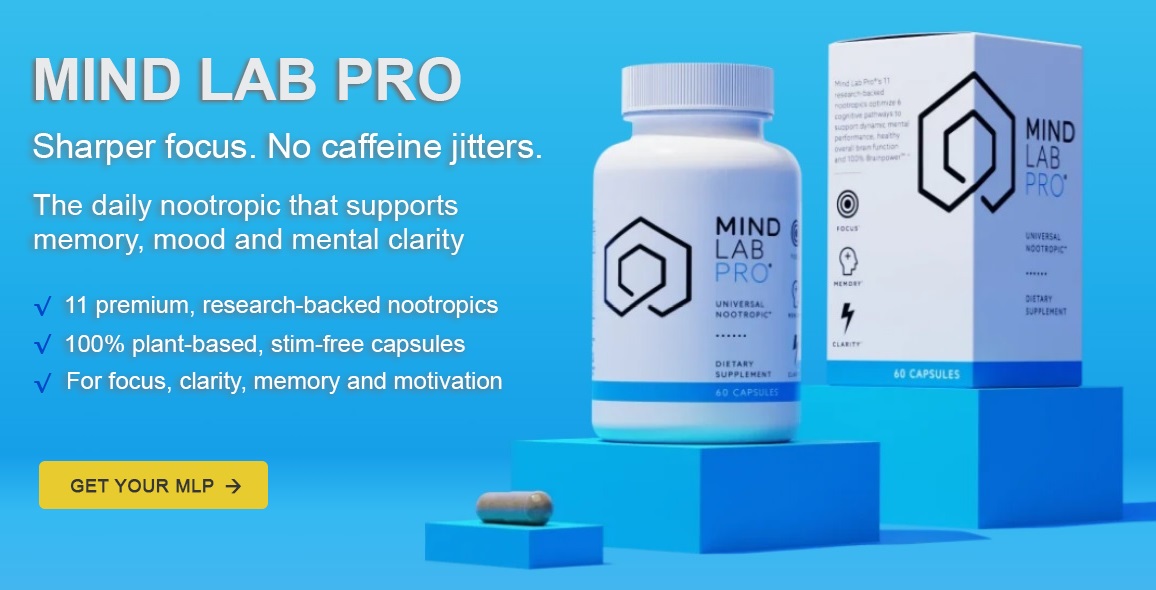
Habits come first. Protect sleep, take breaks, and reduce interruptions before anything else. Some people also explore brain health supplements such as Mind Lab Pro as one part of a broader routine, though a supplement cannot replace rest or fix a day built around constant alerts.
If fatigue or fog persists for weeks, a healthcare professional can help look for underlying causes.
Practical Ways to Rest a Busy Mind
Mark’s recommendations in the same report are refreshingly practical, and they suit almost anyone.
- Do routine work early in the day, and use tools to block distractions when your mind is sharpest.
- Write tomorrow’s tasks down at night, then put the list away.
- Keep distracting apps out of easy reach, and leave your phone in another room.
- Take a break when you notice you are rereading without absorbing anything.
- Try a 20-minute walk outdoors to relax and let ideas surface.
Common Questions About Mental Fatigue and Attention
Is our attention span really getting shorter?
Dr. Gloria Mark’s measurements found that average attention on a single screen fell from about two and a half minutes in 2004 to about 47 seconds in recent work. That measures screen attention, not overall intelligence.
Is mental fatigue the same as brain fog?
They overlap. Brain fog describes slower thinking, forgetfulness, and trouble focusing, and it is a symptom, not a diagnosis. Mental fatigue from constant switching can contribute to it.
How can I protect my focus during the workday?
Do demanding work early, silence nonessential notifications, keep your phone out of reach, and take short breaks. If problems linger, talk with a healthcare professional.
Disclosure: This article contains an affiliate link. If you purchase through it, Inspire Culture may earn a commission at no extra cost to you. This content is for general interest and is not medical advice. Talk with a healthcare professional before starting any supplement.