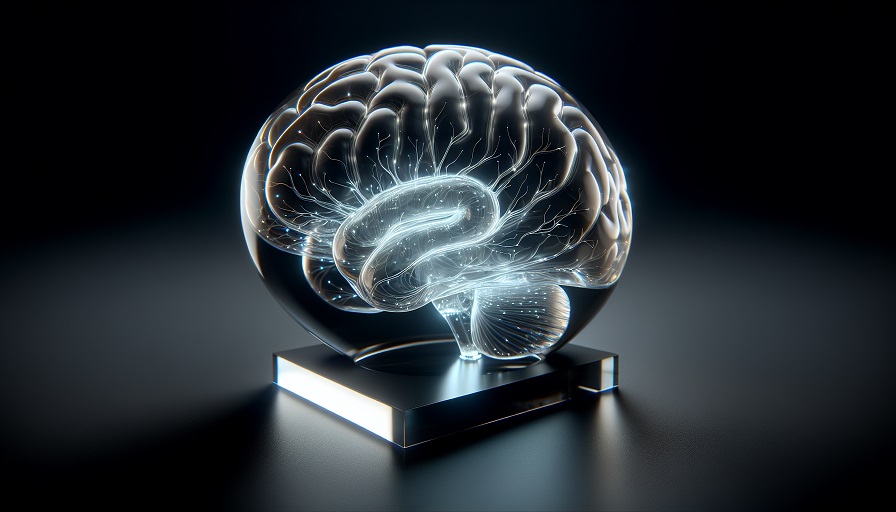
In 20 years, brain wellness will probably look less like a shelf of products and more like a daily habit supported by quiet technology. Trends such as brain-state tracking, stress regulation devices, and mind-friendly design are already emerging. Nobody can predict the future precisely, but the direction points toward prevention, personalization, and a stronger demand for honesty about what works.
Starting From Today’s Trends
Predictions work best when they begin with what is already happening. The wellness economy is large and growing. The Global Wellness Institute estimated it at about 6.3 trillion dollars in 2023 and forecast growth of 7.3 percent a year through 2028. Mental wellness sits near the center of that interest.
Within it, a newer idea is gaining attention. A Global Wellness Summit session on neurowellness describes a shift from optimizing performance to regulating the nervous system, citing EEG-based devices that measure brain states in real time, noninvasive stimulation for stress and sleep, and design that shapes how spaces make people feel. That material is promotional, and the session itself offered no market figures, so treat it as a sign of direction, not proof.
Prediction One: Rest Becomes a Status Symbol
Today busyness is often admired. A plausible shift is that recovery becomes the thing people show off. Sleep scores, quiet hours, and unplugged weekends could carry the prestige that long hours do now.
Cultural change like this is slow, but the signs of fatigue with always-on life are widespread. Some employers have experimented with shorter weeks and after-hours messaging rules, and each experiment nudges the norm a little.
Prediction Two: Technology Fades Into the Background
The Summit session predicts an ambient, invisible version of neurowellness, in which devices, environments, and behavior converge. In practice, that could mean offices that adjust lighting and sound to support focus, or wearables that suggest a break before fatigue sets in.
The upside is convenience. The risks include privacy, since brain and sleep data are personal, and the pressure to measure everything. Expect debates about who owns this information.
There is also the question of access. If brain wellness tools become part of everyday life, communities with fewer resources could be left out, so affordability and public programs may matter as much as the gadgets.
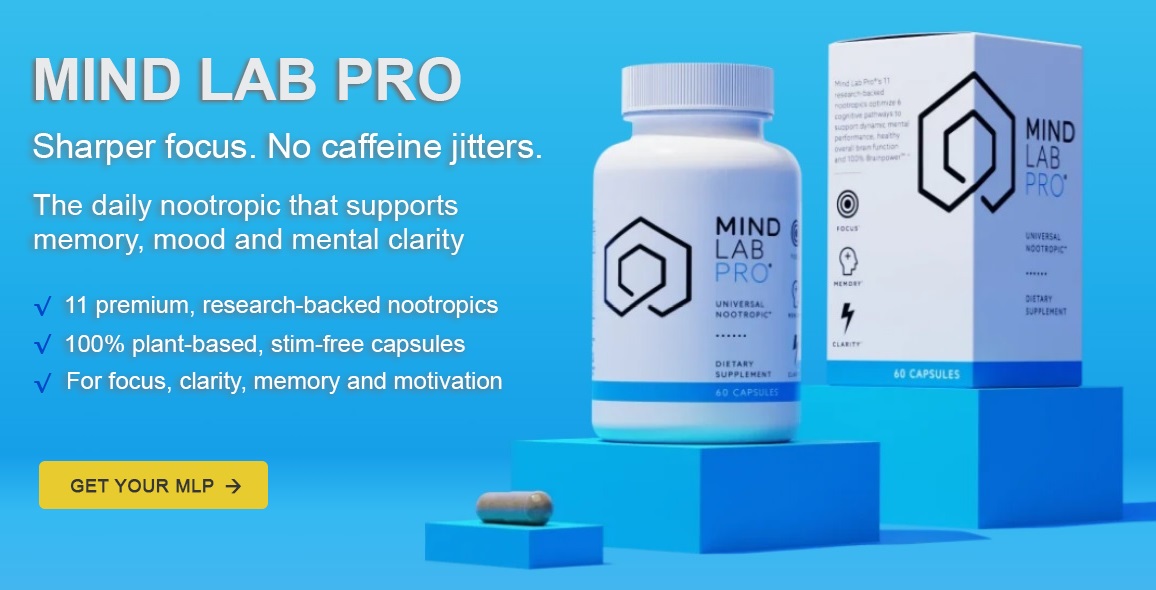
As interest in prevention grows, older practices such as meditation, herbal traditions, and mindful eating will likely be studied more closely and respected more openly. At the same time, expect more demand for evidence. The FDA notes that it does not approve dietary supplements for safety, effectiveness, or labeling before they are marketed, which fuels calls for clearer standards. For readers today, that means supplements such as Mind Lab Pro are one option some adults consider as part of a broader routine.
What Will Probably Stay the Same
Some basics are unlikely to change. Sleep, movement, food, friendship, and purpose have supported healthy minds for as long as people have written about them. Technology may make these easier to track, but it will not replace them.
- Choose habits you can keep for years, not weeks.
- Be cautious with devices that promise big results without evidence.
- Guard your data and read privacy terms.
- Keep a place for rest, play, and unmeasured time.
Common Questions About the Future of Brain Wellness
What is neurowellness?
Neurowellness is a term used in the wellness industry for approaches that focus on nervous system regulation and brain health, such as brain-state tracking and stress regulation devices.
How big is the wellness economy?
The Global Wellness Institute estimated the global wellness economy at about 6.3 trillion dollars in 2023 and forecast growth of 7.3 percent a year through 2028.
Can anyone predict where brain wellness is headed?
Not precisely. Current trends suggest more tracking, prevention, and demand for evidence, but real developments may differ.