
We are obsessed with optimizing our minds because attention and mental performance have become valuable in a world of constant information, and because a market is ready to sell solutions. The wish to think better is old, but the pressure feels sharper today. A balanced approach treats sleep, habits, and honest limits as the foundation, with any products as small additions.
A Culture That Rewards Sharp Minds
In a knowledge economy, mental performance can feel like currency. Being quick, focused, and always on is often rewarded, and slowing down can feel risky. A study summarized by Columbia Business School found that Americans increasingly link busyness with high status, which helps explain why a busy, sharp mind has become an aspiration as well as a tool.
When the culture admires productivity, it is natural to ask how to get more from your own brain.
A Long History of Wanting a Better Brain
The ambition is not new. According to a McGill University overview of nootropics, the Romanian-born researcher Corneliu Giurgea coined the term nootropic in 1972, combining Greek words for mind and turn. The same overview notes that amphetamine was used by World War II pilots and now appears in Adderall, which students also use for focus.
Long before that, people reached for coffee, tea, and herbs. What has changed is the scale. Shops, apps, and online communities now offer a vast menu of ways to sharpen the mind.
Attention Pressure Feeds the Obsession
Part of the urgency comes from how fragmented our days have become. Researcher Gloria Mark has measured average attention on a single screen falling from about two and a half minutes in 2004 to roughly 47 seconds, as a CNN report on her work describes. When our attention gets chopped into small pieces, it is easy to feel behind.
In that setting, mental optimization offers hope. If the world is moving faster, perhaps a better brain can keep up.
There is also a social side. When friends, coworkers, and influencers share their routines, comparison creeps in, and a tool that once seemed optional starts to feel like the price of keeping pace. Recognizing that pull is the first step toward choosing deliberately.
What the Evidence Says So Far
It helps to be realistic. The McGill overview concludes that, despite extensive research, no pill has yet delivered a substantially better brain. It adds that caffeine increases alertness but does not make people smarter, and that evidence for significant effects from natural substances such as Bacopa and ginkgo is scanty.
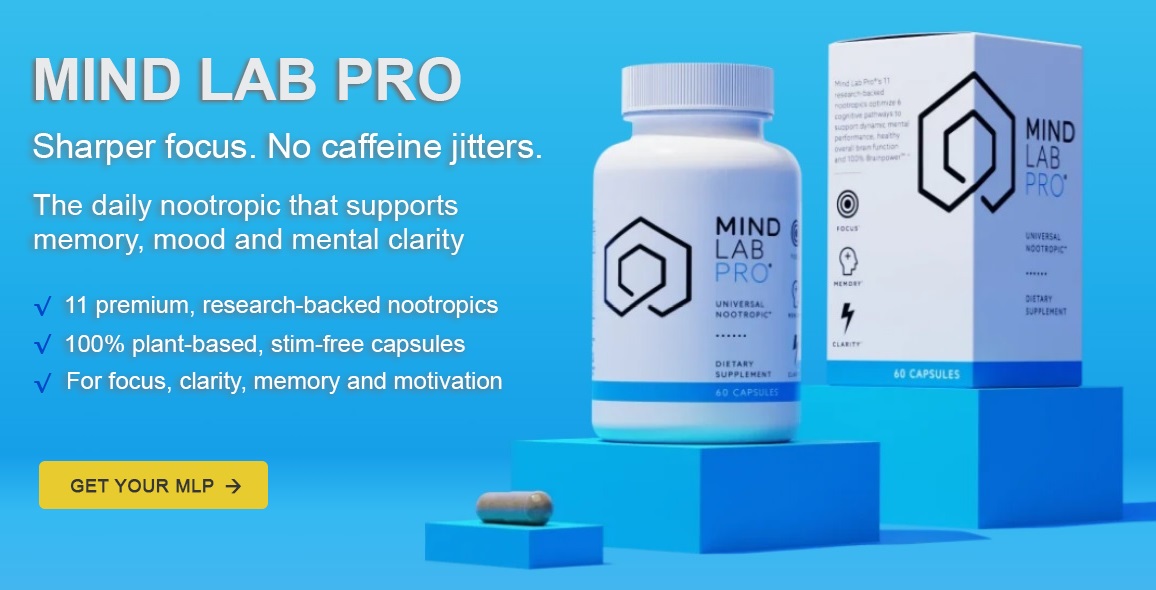
That does not mean everything is useless, and research continues. It does suggest keeping expectations modest. Sleep, exercise, nutrition, and a calmer information diet remain the best-supported foundation. Some adults also explore supplements such as Mind Lab Pro as one part of a broader routine.
A Healthier Way to Think About Mental Optimization
- Ask what problem you are trying to solve before buying a solution.
- Protect sleep first, since few tools beat a rested brain.
- Reduce interruptions by silencing nonessential notifications.
- Measure progress by how you feel and function, not by perfect scores.
- Allow yourself to be average on some days without treating it as failure.
Common Questions About Mental Optimization
What does nootropic mean?
Nootropic is a term coined in 1972 by Corneliu Giurgea, combining Greek words for mind and turn. It is used for substances that are claimed to improve mental function.
Do brain supplements work?
The evidence is limited. One overview concluded that no pill has yet delivered a substantially better brain, and it described evidence for natural substances as scanty. Talk with a healthcare professional before starting any supplement.
Why do we want to optimize our minds?
Mental performance is valued in a fast, information-heavy economy, and attention is under constant pressure. Cultural admiration for productivity and a large marketplace of products strengthen the urge.