

Free walking tours have exploded in popularity, appearing in nearly every tourist city worldwide. They promise quality experiences without upfront costs, which sounds too good to be true. Sometimes it is. Sometimes they’re genuinely valuable. Understanding what you’re actually getting with free tours versus paid private experiences requires looking beyond the price tag to examine incentives, quality, and what “free” really means.
Contents
The Free Tour Business Model
Free walking tours aren’t charity. They operate on tips. Guides work for gratuities, typically expecting 10-20 euros per person for a two-hour tour. The company takes a cut of tips or charges guides to lead tours. This creates specific dynamics that shape your experience.
Guides maximize group size because more people means more potential tips. Tours of 30-50 people are common. This mass gathering creates crowd management challenges. You’ll strain to hear, struggle to see what’s being pointed out, and experience the city with dozens of other tourists rather than observing it naturally.
The tip-dependent model also incentivizes entertainment over education. Guides who tell jokes and keep energy high earn more than those providing thoughtful historical analysis. This isn’t necessarily bad, but it shapes content. You’re getting infotainment designed to maximize tips rather than objective expertise.
What Free Tours Do Well
Despite limitations, free walking tours serve legitimate purposes. They provide excellent orientation for first-time visitors. You learn neighborhood layouts, get a sense of the city’s geography, and see major highlights efficiently. For budget travelers, this value is substantial.
The social aspect appeals to many. You’re exploring with other travelers, which creates instant companionship for solo visitors. Meeting people who share travel interests often leads to friendships or at least dinner companions. This community feeling has real value.
Free tours also let you sample guide quality risk-free. If the tour disappoints, you’ve lost time but not money. If it exceeds expectations, you can book that guide or company for paid experiences later. This try-before-you-buy aspect reduces decision anxiety.
The Hidden Costs
Free tours aren’t actually free. Beyond expected tips, there are opportunity costs. That three-hour tour in a 40-person group covers ground you could explore in 90 minutes independently or with a private guide who moves efficiently. You’re trading time for money savings, which makes sense for some budgets but isn’t “free.”
The large group dynamic means you can’t ask questions without disrupting dozens of people. You can’t request detours to things that interest you. You can’t spend extra time at places you find fascinating. You’re following the crowd literally and figuratively.
Private Tour Differences
Paid private experiences operate under completely different incentives. Guides earn fixed rates regardless of whether you tip additionally. This removes the performance pressure that shapes free tours. Guides can focus on substance over entertainment, though the best combine both.
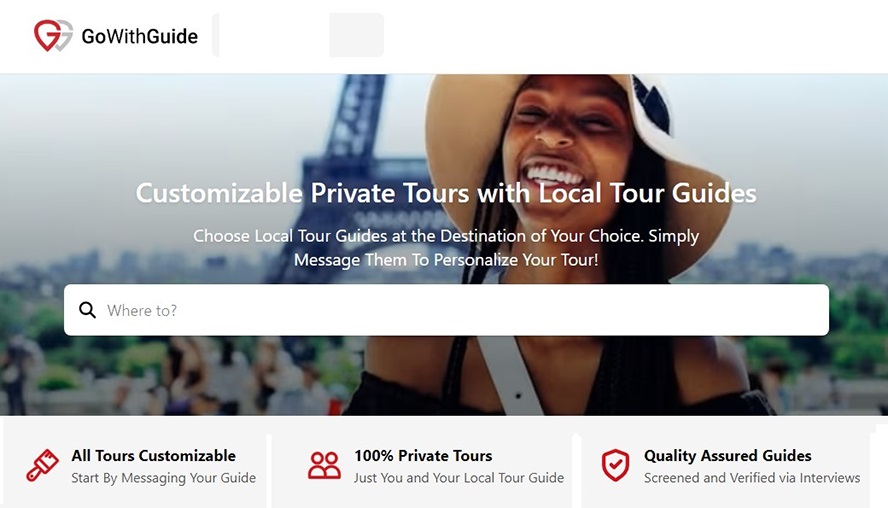
Group size changes everything. Private tours mean just your party, or occasionally small groups of 4-8 maximum. You hear clearly, see everything being discussed, and move at your pace. This intimacy transforms the experience from crowd following to genuine exploration.
Customization becomes possible. Private guides adjust content to your interests, answer questions thoroughly, and pivot based on what engages you. Free tours follow fixed routes and content because managing large groups requires structure. Private tours adapt continuously.
Quality and Expertise
Guide quality varies in both categories, but incentives differ. Free tour guides are often younger travelers working temporarily, building experience, or supplementing income. Many are excellent, passionate about their cities and skilled communicators. But turnover is high, and experience levels vary wildly.
Paid private guides are typically career professionals who’ve invested in developing expertise. They hold licenses in cities requiring them, have specialized knowledge in specific subjects, and depend on reviews and repeat business rather than immediate tips. This doesn’t guarantee quality, but it changes the selection pressures.
The difference shows in depth. Free tour guides hit highlights with accessible stories. Private guides can go as deep as you want, discussing architectural details, historical nuances, or cultural context that large groups wouldn’t appreciate.
The Tipping Pressure
Free tours create awkward tipping moments. Guides explain they work for tips, sometimes quite directly. This pressure makes “free” feel less free. You might tip 15 euros feeling obligated rather than generous, wondering if it’s enough, comparing what others give. It’s socially uncomfortable.
Paid tours eliminate this entirely. You pay upfront, know exactly what you’re spending, and tipping becomes optional rather than expected. This clarity has psychological value. You’re enjoying the experience rather than calculating appropriate gratuity.
Time and Efficiency
Free tours operate on fixed schedules, often during peak tourist hours because that’s when they attract the most people. You’re touring when everyone else is, seeing sights at their most crowded, photographing landmarks surrounded by other tour groups.
Private guides work your schedule. Early morning before crowds, late afternoon when light is beautiful, whatever suits your itinerary. This timing flexibility often creates better experiences regardless of content quality.
When Free Tours Make Perfect Sense
Free walking tours work excellently for budget backpackers prioritizing cost over everything else. They’re ideal for solo travelers wanting to meet others. They provide solid orientation on first days in new cities. For casual tourists who want basic highlights without deep engagement, free tours deliver adequate value.
If you’re visiting multiple cities on limited budgets, free tours in each city provide consistent introduction without breaking the bank. If you’re comfortable in large groups and don’t mind fixed pacing, the format won’t bother you.
When Private Tours Justify the Cost
Private tours make sense when time is limited and you want efficient, focused experiences. They’re worth it for travelers with specific interests requiring customization, families needing flexibility, anyone with mobility issues, and experienced travelers who’ve moved beyond first-visit basics.
For special occasions, significant trips, or destinations you may never return to, the enhanced experience of private tours creates memories worth the investment. When you’ve spent thousands on flights and hotels, the guide cost becomes proportionally smaller.
Making Your Choice
Ask yourself: what’s my budget reality? If money is genuinely tight, free tours provide real value. If you can afford private tours comfortably, the benefits usually justify costs.
What’s my travel style? If you enjoy meeting other travelers and don’t mind crowds, free tours work. If you value intimate experiences and efficient time use, private tours suit better.
What’s my priority? If you want basic introduction and orientation, free tours suffice. If you want deep understanding and customized experiences, private tours deliver.
The Honest Assessment
Free walking tours are valuable resources that serve important purposes. They democratize tourism, providing quality experiences to travelers who couldn’t otherwise afford guides. They’re not scams or inferior products when understood properly.
But they’re also not equivalent to private tours despite sometimes claiming to be. The business model, group dynamics, and guide incentives create fundamentally different experiences. Calling them “free” when they depend on tips isn’t quite honest, but the semantic debate matters less than understanding what you’re actually getting.
Choose based on your real constraints and priorities, not on what sounds right or what travel snobs recommend. Both options have legitimate places in smart travel planning. The key is matching the tool to your actual situation rather than pretending they’re interchangeable or that one is universally superior.