
Decision fatigue is real, and the natural health supplement space is exceptionally good at producing it. Two supplements with genuine scientific backing for supporting the same biological pathway, distinct mechanisms, different evidence bases, different price points, and different practical considerations for different populations represent exactly the kind of decision that deserves a clear framework rather than a vague “it depends.” This article provides that framework. By the end of it, you should have a reasonably clear answer to the question for your specific situation, not because the answer is universal but because the factors that determine it are identifiable and worth thinking through carefully.
The short version, before the longer one: berberine is the right starting point for most people because its evidence base is more extensive, its effects more rapidly measurable, and its mechanisms most directly relevant to the GLP-1 and blood sugar concerns that bring most people to this topic. Akkermansia is the right addition for people whose metabolic challenges have a significant gut architecture component, and that is a larger portion of the population than most people realize. Both together represent the most comprehensive natural GLP-1 support currently available, and for people with meaningful metabolic dysfunction and the resources to commit to both, the combination is the most scientifically grounded choice. The longer version explains why each of those statements is true and helps you place yourself in the picture.
Contents
Choosing Berberine: Who It Fits Best and Why
Berberine is where most people should start when investigating natural GLP-1 support, and for most people with moderately elevated blood sugar, mildly impaired GLP-1 function, or metabolic markers trending in the wrong direction, it may be sufficient on its own. The case for berberine as a standalone intervention rests on evidence, accessibility, speed of effect, and the breadth of what it addresses beyond GLP-1 specifically.
The Evidence Case for Starting with Berberine
Berberine has been studied in more human randomized controlled trials for metabolic outcomes than any other natural compound in this space. Multiple meta-analyses have aggregated data across these trials showing consistent, meaningful reductions in fasting blood glucose, HbA1c, LDL cholesterol, and triglycerides. Several trials have used GLP-1 as a direct measured endpoint and found significant postprandial elevations in berberine-treated subjects compared to placebo. The head-to-head comparison to metformin in diabetic populations is among the most cited findings in natural metabolic health research. This is not a thin evidence base built on animal studies and theoretical mechanisms. It is a clinical literature substantial enough to have influenced academic and clinical thinking about plant-derived metabolic interventions in a serious way.
For someone coming to natural GLP-1 support without a clear picture of their gut microbiome status, this evidence depth matters. Berberine’s effects are predictable enough across diverse populations that expecting meaningful metabolic improvements with consistent use at therapeutic doses is a reasonable expectation rather than an optimistic guess.
Who Should Consider Berberine as Their Primary Option
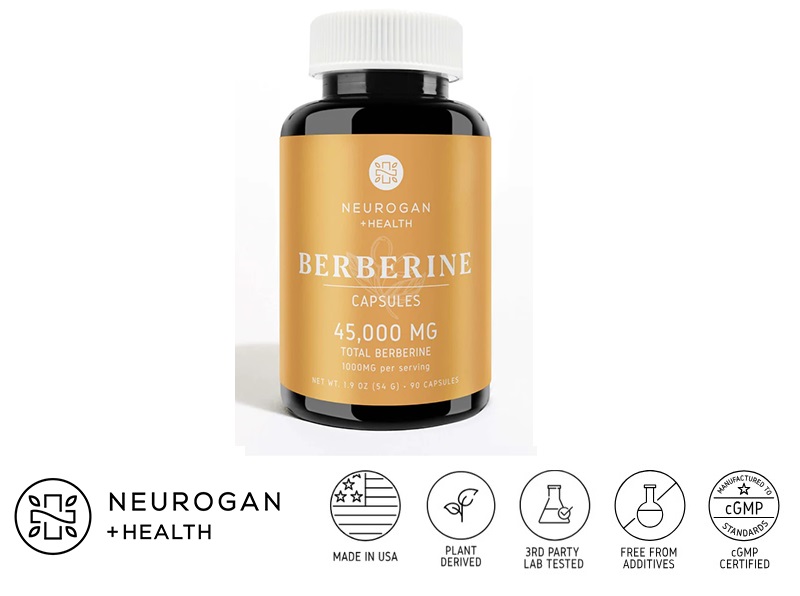
Berberine is the most appropriate primary choice for people with prediabetes or elevated fasting blood glucose as their principal concern, those managing unfavorable lipid profiles alongside blood sugar issues, people who want near-term measurable signal that a supplement is working before committing to a longer protocol, and those for whom cost is a meaningful constraint, since berberine is generally less expensive than Akkermansia supplements. It is also the most straightforward option for people who are new to metabolic supplementation and want to begin with one well-studied compound rather than a multi-supplement protocol. Berberine taken consistently at 1,000 to 1,500 mg daily divided across meals, with the dietary fiber and reduced ultra-processed food context that makes it most effective, addresses the GLP-1 and metabolic signaling failures that underlie most moderate metabolic health challenges in a way that the clinical evidence directly supports.
When Berberine Alone May Not Be Enough
Berberine’s limitation is that it works on the chemistry of GLP-1 production without addressing the structural gut environment in which that production occurs. For people whose metabolic dysfunction is significantly driven by depleted Akkermansia, compromised gut barrier integrity, and metabolic endotoxemia, berberine is chemically stimulating L-cells that are operating in a suboptimal environment. The effects are real but constrained by the gut architectural deficits berberine is not designed to repair. When berberine alone produces modest improvements that plateau rather than continuing to develop, or when blood sugar normalization proves elusive despite consistent supplementation and reasonable dietary effort, the gut architecture question becomes worth investigating.
Choosing Akkermansia: Who It Fits Best and Why
Akkermansia is the right primary focus for a smaller but meaningful subset of people for whom gut architecture and barrier function are the most pressing contributors to metabolic dysfunction, and the right addition for a much larger group whose berberine protocol would be made more effective by addressing the gut environment it operates in. The distinction between these two framings matters practically.
Who Should Consider Akkermansia as a Primary Focus
People with a documented history of gut microbiome disruption, whether through repeated antibiotic courses, long-term ultra-processed food consumption, or conditions like irritable bowel syndrome that are associated with gut dysbiosis, have particularly strong reasons to prioritize Akkermansia restoration. For these individuals, the gut environment damage may be significant enough that metabolic supplementation without addressing it produces limited returns. Similarly, people who have used berberine or other natural metabolic supplements without the improvements the evidence would predict, and whose lifestyle and dietary patterns cannot fully account for that resistance, may find that gut architecture is the missing variable. Akkermansia addresses the biological substrate that other interventions depend on, which makes it the foundational intervention for people whose substrate has been most severely compromised.
Choosing Both: When the Combination Is the Right Answer
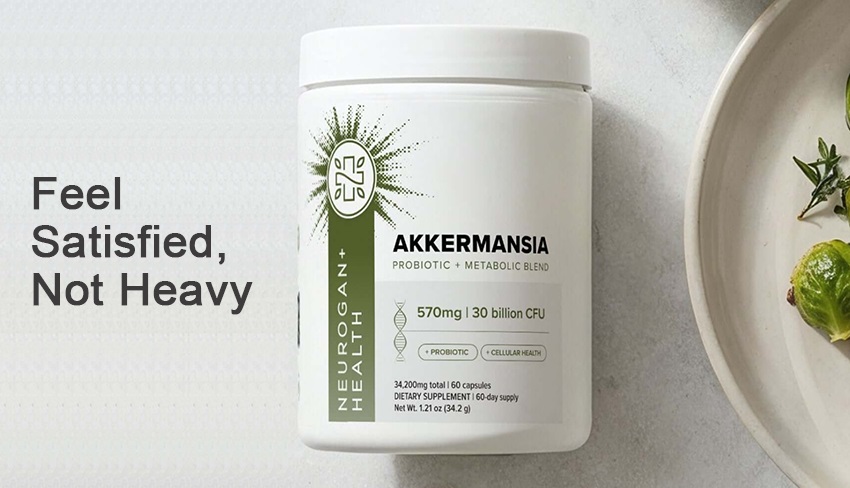
The combination of berberine and Akkermansia is the right choice for the largest segment of people dealing with meaningful metabolic health challenges, which is to say people whose metabolic dysfunction reflects failures at both the chemical and structural levels of the GLP-1 production system. This is, based on the population data, most people with prediabetes, metabolic syndrome, significant insulin resistance, or excess body weight accompanied by gut microbiome disruption.
The Biological Case for Both
Berberine chemically stimulates L-cells and inhibits GLP-1 degradation. Akkermansia maintains the structural environment those L-cells depend on and reduces the inflammatory suppression of their secretory function. These are sequential conditions for GLP-1 production: the structural environment Akkermansia maintains determines the ceiling on what berberine’s chemical stimulation can achieve. A person taking both is getting increased GLP-1 production, extended GLP-1 preservation, a more responsive L-cell population operating in a better-maintained gut environment, and reduced systemic inflammation from both supplements’ complementary anti-inflammatory pathways. The combination covers more of the metabolic territory than either supplement alone can reach, which is the most direct argument for choosing both when the goal is the most comprehensive natural GLP-1 support available.
Practical Factors That Favor the Combination
The combination makes the most practical sense for people who have tried single-supplement metabolic support and found the results insufficient, those with multiple concurrent metabolic concerns including both blood sugar and weight management challenges where the combination’s broader mechanism coverage is most relevant, and those who are committed to a twelve-week minimum protocol with consistent dietary support and have the resources to maintain both supplements over that timeframe. It is not the right choice for people looking for the simplest possible starting point, those managing tight budgets who need to prioritize, or those who have not yet established whether either supplement individually produces meaningful results for them. For the latter group, starting with berberine and adding Akkermansia after four to six weeks based on early results is a practical path to the combination that avoids the uncertainty of a two-supplement start with no baseline to compare against.
Frequently Asked Questions
Is There Any Reason to Choose Akkermansia over Berberine as a First Supplement?
Yes, for people with a documented history of significant gut disruption, repeated antibiotic exposure, or a strong suspicion that gut barrier dysfunction is driving their metabolic challenges. Akkermansia addresses the biological substrate that all metabolic interventions depend on, and for people whose substrate has been most severely compromised, rebuilding it before adding chemical stimulation may produce better cumulative results than the reverse sequence. That said, this applies to a minority of the population coming to natural GLP-1 support. Most people are better served by berberine first for its faster-acting and more extensively documented metabolic effects.
Can Someone Start with a Lower Dose of Each to Test Tolerance Before Committing to the Full Protocol?
Starting berberine at a reduced dose of 500 mg daily and stepping up over two to three weeks is specifically recommended as the standard introduction approach to minimize gastrointestinal adjustment effects. Akkermansia supplements are generally taken at the full clinical dose from the outset since they do not carry the same adjustment risk profile as berberine. Testing both at reduced doses simultaneously is a reasonable caution for very supplement-sensitive individuals, with the understanding that the metabolic effects documented in research were established at therapeutic doses, and expectations should be calibrated accordingly during a reduced-dose trial period.
If Someone Can Only Afford One Supplement Long-Term, Which Provides More Value?
For most people with blood sugar and metabolic concerns as their primary focus, berberine provides more value per dollar based on the current evidence base. Its clinical evidence is more extensive, its effects on GLP-1 and metabolic markers are more directly documented in human trials, and its cost per therapeutic dose is generally lower than Akkermansia supplements. For people with gut dysbiosis as a primary driver of their metabolic challenges, Akkermansia provides more targeted value even at a higher cost because it addresses the foundational deficit that berberine alone cannot reach. Dietary strategies for supporting Akkermansia, including polyphenol-rich foods and prebiotic fiber, can partially substitute for supplementation at lower cost for people with moderate rather than severe depletion.