

Few health comparisons generate more passionate disagreement than berberine versus Ozempic. On one side you have people who tried berberine, found it helpful, and resent the implication that anything short of a prescription drug is just wishful thinking. On the other, people who experienced life-changing results from semaglutide and bristle at the idea that an over-the-counter supplement could be mentioned in the same breath. Both responses are understandable. Neither is particularly useful to someone standing at the crossroads trying to make a sensible decision about their own metabolic health.
A genuinely useful comparison requires setting aside the advocacy on both ends and looking clearly at what each option actually does, for whom, at what cost, and with what tradeoffs. The goal isn’t to crown a winner. It’s to help you figure out which, if either, belongs in your life right now.
Contents
Understanding What Each Option Actually Is
The comparison starts to make more sense once you’re clear on what you’re comparing. Berberine and semaglutide are not two versions of the same thing at different price points. They are fundamentally different kinds of interventions that happen to touch the same hormonal pathway.
Semaglutide: A Precision Pharmaceutical
Semaglutide, the active ingredient in Ozempic and Wegovy, is a GLP-1 receptor agonist. It is a synthetic molecule engineered to mimic GLP-1, bind to its receptors with high affinity, and resist the enzymatic breakdown that clears natural GLP-1 from circulation within minutes. The result is sustained, high-level activation of GLP-1 receptors across multiple organ systems for days from a single weekly injection. The pancreas releases insulin more efficiently. Glucagon is suppressed. Gastric emptying slows dramatically. Appetite signaling in the brain is powerfully dampened. The clinical outcomes are correspondingly significant: average weight loss of around 15 percent of body weight in major trials, substantial HbA1c reductions, and meaningful cardiovascular risk reduction in people with established heart disease.
Berberine: A Multi-Mechanism Botanical
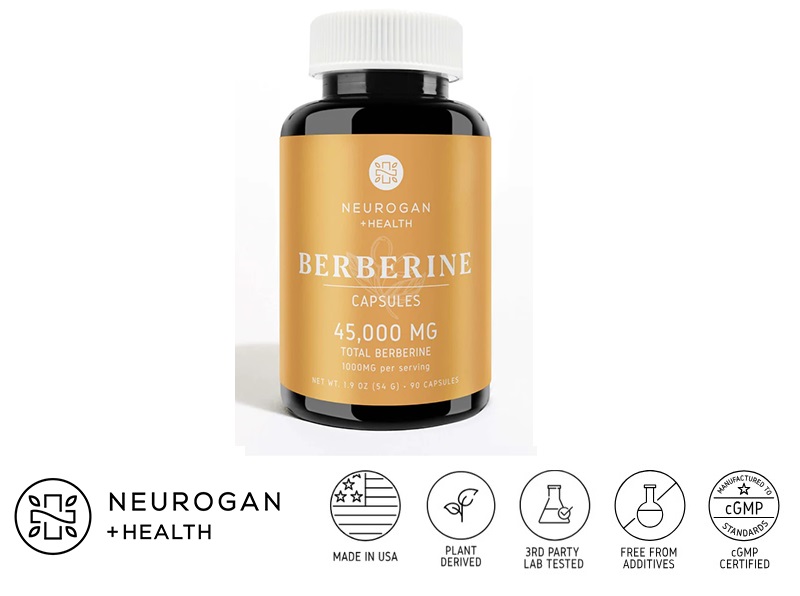
Berberine is an alkaloid extracted from several plants, including barberry and goldenseal, with a documented history of medicinal use spanning centuries. Rather than binding to GLP-1 receptors directly, it works upstream, supporting the body’s own GLP-1 production and preservation. It stimulates intestinal L-cells to secrete more GLP-1, inhibits the DPP-4 enzyme that degrades it, activates AMPK to improve cellular energy metabolism independently, and reshapes the gut microbiome toward bacterial strains that produce short-chain fatty acids capable of further stimulating GLP-1 release. Its metabolic effects are real and clinically documented but operate at a meaningfully smaller scale than pharmaceutical GLP-1 receptor activation. Weight loss in berberine trials tends to fall in the range of two to five pounds over several months, blood sugar improvements are consistent and meaningful, and lipid profile benefits are among its most reliable outcomes.
Comparing the Two on the Dimensions That Matter
A side-by-side look across the factors most people care about reveals a clearer picture of where each option fits and where it doesn’t.
Efficacy for Weight Loss
This is where the gap between the two options is largest and most important to be honest about. Semaglutide’s weight loss results are exceptional by the standards of any medical intervention, pharmaceutical or otherwise. Fifteen percent average body weight reduction in a population that typically cycles through interventions with single-digit success rates is genuinely remarkable, and it reflects the potency of sustained, high-level GLP-1 receptor agonism on appetite and metabolism.
Berberine produces modest weight loss in clinical trials. Studies show results that are statistically significant and consistently reproducible, but the magnitude is not comparable. If weight loss is the primary goal and the amount needed is substantial, berberine is not the tool the evidence supports for that job. For people looking to manage the edges of their weight, reduce appetite somewhat, or support metabolic health alongside diet and lifestyle changes, berberine’s contribution is real and useful without pretending to be something it isn’t.
Blood Sugar and Metabolic Health
The comparison here is closer than most people expect. Both semaglutide and berberine produce meaningful reductions in fasting blood glucose and HbA1c in people with type 2 diabetes or prediabetes. Semaglutide’s effects are larger in absolute terms, but berberine’s effects are substantial enough to have held up in head-to-head comparisons with metformin, the most widely prescribed first-line diabetes medication in the world. For people managing mildly to moderately elevated blood sugar, berberine’s metabolic benefits are clinically significant rather than merely statistical.
Berberine also produces consistent improvements in lipid profiles, reducing total cholesterol, LDL, and triglycerides, which semaglutide does to a lesser degree. For people whose metabolic concerns extend to cardiovascular risk factors beyond blood sugar, that lipid benefit adds a dimension where berberine genuinely outperforms or at minimum holds its own.
Cost and Accessibility
The practical reality here is not subtle. Without insurance coverage, semaglutide costs over a thousand dollars per month in the United States. Even with insurance, prior authorization requirements, coverage denials for weight management indications, and supply chain shortages have made reliable access genuinely difficult for many people. The drug requires a prescription, medical oversight, and ongoing injections that some people find uncomfortable or inconvenient.
Berberine is available over the counter for roughly twenty to fifty dollars per month depending on the brand and formulation. No prescription, no insurance negotiation, no injection. For the very large number of people who are interested in GLP-1 pathway support but cannot access or afford pharmaceutical options, this difference is not a footnote. It is the deciding factor.
Safety and Side Effects
Semaglutide’s side effect profile is well characterized and includes nausea, vomiting, diarrhea, and constipation, particularly in the early weeks of use as doses are titrated upward. More serious but rarer concerns include a theoretical risk of thyroid C-cell tumors observed in rodent studies, pancreatitis, and, for people with diabetes, hypoglycemia when combined with insulin or sulfonylureas. Medical supervision manages these risks appropriately, but they are real considerations.
Berberine’s most common side effects are also gastrointestinal, typically mild and transient as the gut microbiome adjusts to the compound’s antimicrobial effects. It carries meaningful drug interaction potential, particularly with medications that lower blood sugar or blood pressure, and should not be used during pregnancy. For healthy adults not on interacting medications, its safety profile over the dose ranges studied is generally favorable. Centuries of traditional use and multiple clinical trials have not surfaced serious safety signals at standard doses.
Frequently Asked Questions
Is It Safe to Take Berberine and Ozempic at the Same Time?
Combining berberine with semaglutide is not well studied in controlled trials and should only be done under the guidance of a prescribing physician. Both interventions lower blood sugar through different mechanisms, and combining them without monitoring could push glucose levels lower than intended, particularly in people also using insulin or sulfonylureas. The theoretical mechanisms are not incompatible, but the clinical safety of the combination requires professional oversight rather than self-direction.
Can Berberine Produce Enough Weight Loss to Be Meaningful?
For people whose weight management goals are modest, or whose primary concern is metabolic health rather than large-scale weight reduction, berberine’s documented weight loss of two to five pounds alongside meaningful blood sugar and lipid improvements can be genuinely meaningful. For people needing substantial weight loss to address significant health risks, berberine’s effects alone are unlikely to be sufficient, and a conversation with a healthcare provider about pharmaceutical options is more appropriate.
Does Berberine Work Through the Same Mechanism as Ozempic?
No, though both engage the GLP-1 pathway. Semaglutide binds directly to GLP-1 receptors as a potent, long-lasting agonist, bypassing the body’s own hormone production. Berberine works upstream by stimulating the body’s natural GLP-1 secretion, inhibiting the enzyme that degrades it, and cultivating the gut environment that supports ongoing L-cell activity. The downstream effects overlap, but the mechanisms are distinct in important ways.
Why Is Ozempic So Much More Effective for Weight Loss Than Berberine?
Semaglutide produces sustained, high-level activation of GLP-1 receptors throughout the body for days from a single weekly dose. This continuous receptor saturation produces appetite suppression and metabolic effects of a scale that the body’s own GLP-1 system, even when well supported by berberine, cannot match. The difference is one of pharmacological potency rather than mechanism, and it explains why the clinical outcomes diverge so significantly in magnitude even when they rhyme in direction.