
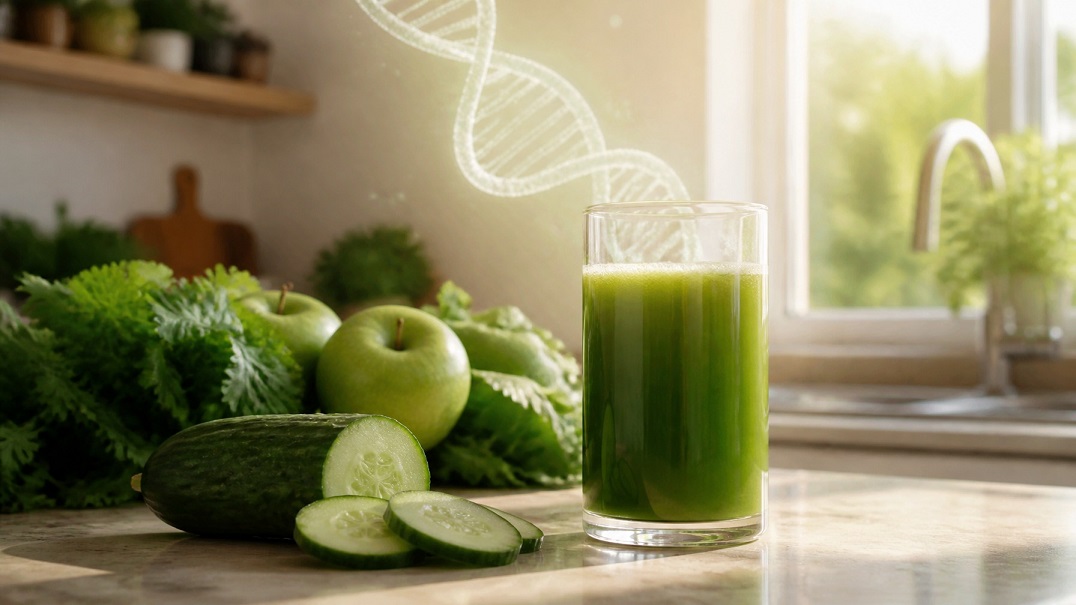
Juice cleanses tend to show up with the same pitch: a few days of drinking only fruit and vegetable juice will “flush toxins,” “reset your liver,” or give your digestive system a much-needed break. The imagery is appealing. Your liver has been working hard, the story goes, and it deserves a rest, along with a little help clearing out whatever’s built up.
The trouble is that this framing misunderstands what your liver actually does and how it does it. Your liver isn’t an overworked sponge that accumulates toxins until a juice cleanse comes along to wring it out. It’s a highly active organ that’s detoxifying your blood constantly, on its own, using processes that don’t pause for a green juice and don’t particularly need one to function well. That process is running right now, whether or not you’ve had a juice today.
None of this means nutrition is irrelevant to liver health. It genuinely matters. It just matters in a different way than the cleanse marketing suggests.
Where the “Liver Detox” Idea Comes From
The liver really is central to detoxification. That part of the story is completely accurate. It filters blood coming from your digestive tract, breaks down medications and alcohol, processes hormones, and neutralizes various byproducts of normal metabolism. This is a real, continuous, essential job, and it’s not surprising that an organ this important became the centerpiece of wellness marketing built around cleansing and resetting.
The idea that you could support this process through diet also has a real basis. Certain nutrients genuinely matter for how efficiently your liver carries out its detox functions. That legitimate connection between nutrition and liver function is exactly what gets oversimplified into “drink this juice for three days and detox your liver.”
What Gets Lost in the Juice Cleanse Version
Your liver doesn’t store up toxins over time the way the cleanse narrative implies, waiting for a special intervention to release them. It processes and clears substances essentially continuously, whether or not you’re doing anything special that week. There isn’t a backlog building up in a healthy liver that a few days of juice is uniquely positioned to clear.
The Sugar Problem
Many juice cleanses are also higher in sugar than people realize, since juicing removes the fiber that normally slows sugar absorption from whole fruit. Drinking concentrated fruit sugar for several days in a row isn’t a liver-supportive habit. If anything, your liver has to process that sugar load, which is the opposite of giving it a break.
The “Resetting” Claim
Framing a few days of juice as a “reset” also implies your liver was operating incorrectly before and needs a special intervention to start working properly again. For most healthy people, that premise doesn’t hold up. A functioning liver doesn’t need to be reset the way a device does. It needs consistent support over time, which is a very different thing than a short-term cleanse.
What Your Liver Actually Does Every Day
Liver detoxification happens in two broad phases. In the first phase, enzymes chemically modify substances like medications, alcohol, and metabolic byproducts, often making them more reactive in the process. In the second phase, other enzymes attach molecules to these modified substances, making them water-soluble so your body can safely eliminate them through urine or bile. This two-phase system runs continuously, using enzymes your body produces on an ongoing basis, not something that switches on only when you’re eating a certain way. Researchers have mapped these pathways in detail, and none of that research points to a special role for juice, fasting, or any particular short-term dietary pattern in making the process run better.
Why This Process Needs Nutrients, Not Just Time
Both phases of liver detoxification rely on specific nutrients as building blocks and cofactors. Amino acids, certain vitamins, and compounds like choline are genuinely involved in keeping these detox pathways running efficiently. This is the real, evidence-based connection between diet and liver detoxification, and it looks nothing like a three-day juice fast. It looks more like consistent, adequate nutrition over the long term.
What Your Genes Actually Control
One gene with a particularly clear connection to liver function is PEMT, short for phosphatidylethanolamine N-methyltransferase. PEMT helps your liver produce phosphatidylcholine, a molecule your body needs to package and export fat from the liver and to maintain healthy cell membranes throughout the body. Genetic variation in PEMT affects how efficiently your body can make phosphatidylcholine on its own, which in turn affects how much you may need from dietary choline, found in foods like eggs, liver, and certain legumes.
Why This Matters More Than a Cleanse Trend
People with reduced PEMT efficiency may have a genetically higher need for dietary choline to support normal liver fat processing. This is a concrete, testable piece of biology that actually connects to liver health, unlike the vague “toxin buildup” language used in cleanse marketing. Choline is also a nutrient many people don’t get quite enough of through diet alone, which makes understanding your personal need for it more directly useful than a seasonal cleanse trend. Knowing where you fall genetically gives you something specific and useful to act on, rather than a generic three-day plan that treats everyone’s liver the same way.
What Actually Supports Liver Health
The research-backed approach to liver health looks fairly unglamorous: maintaining a healthy weight, limiting alcohol, eating a diet with adequate protein and micronutrients, staying physically active, and managing conditions like high blood sugar or high cholesterol, all of which affect liver fat accumulation over time. None of this photographs as well as a green juice on a countertop, but it’s what the evidence actually supports for long-term liver function. These factors tend to matter far more, and over a much longer timeframe, than anything a person does for three or five days in a row.
A juice cleanse isn’t likely to harm a healthy liver in the short term for most people, but it isn’t doing the specific detoxification work the marketing claims either. Your liver was already handling that, every day, before the cleanse started and after it ends. The sense of feeling lighter or more energized during a cleanse is more likely related to eating fewer processed foods and less alcohol during that window, not a liver-specific effect from the juice itself.

Understanding Your Liver’s Real Needs
Instead of a short-term cleanse aimed at a problem your liver probably doesn’t have, it’s more useful to understand the ongoing nutritional needs that actually support liver function, including how your own genetics, like your PEMT status, shape your particular requirements for nutrients such as choline.
Frequently Asked Questions
Does a juice cleanse actually detox your liver?
Not in the way it’s marketed. Your liver detoxifies your blood continuously on its own, using ongoing enzymatic processes that don’t require a special juice regimen to function.
Is there any real connection between diet and liver detoxification?
Yes. Liver detox pathways rely on specific nutrients, including certain amino acids, vitamins, and choline, but this connection is about consistent, adequate nutrition over time rather than a short-term juice fast.
What does the PEMT gene have to do with liver health?
PEMT helps your liver produce phosphatidylcholine, a molecule needed to move fat out of the liver and maintain cell membranes. Genetic variation in PEMT can affect how much dietary choline your body needs to support this process.
Can a juice cleanse harm your liver?
For most healthy people, a short juice cleanse is unlikely to cause harm, though the high sugar content and lack of protein and fat mean it isn’t providing the nutrients your liver actually relies on for its detox functions.