
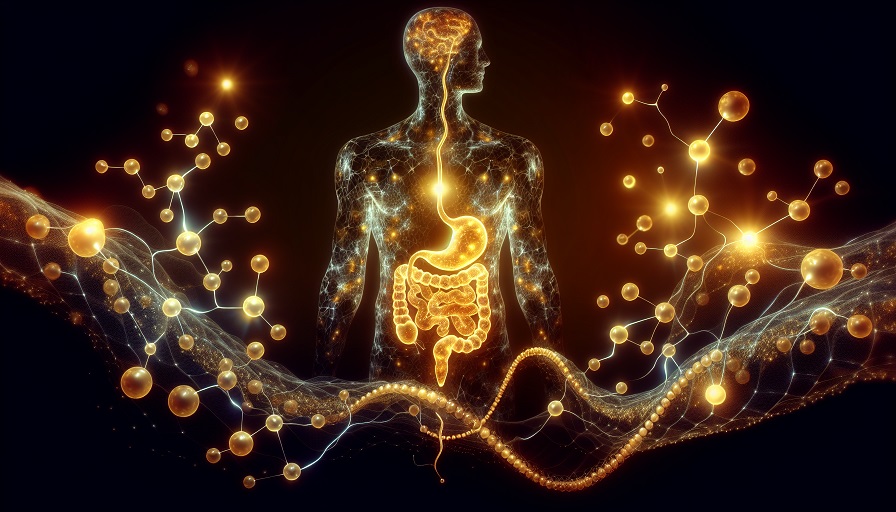
For most of the history of modern medicine, gut health and metabolic health were treated as separate concerns sitting in separate specialty waiting rooms. A gastroenterologist handled one; an endocrinologist handled the other. The idea that the biological condition of the intestinal lining, the composition of its microbial inhabitants, and the integrity of the barrier separating the gut’s contents from the rest of the body had direct, mechanistic consequences for blood sugar regulation, appetite hormones, and weight management was, not long ago, a fringe proposition that mainstream clinicians regarded with polite skepticism.
That skepticism has been largely overturned. The gut is now understood to be a major endocrine organ, home to more hormone-producing cells than any other tissue in the body, including the L-cells responsible for GLP-1 secretion. The health of the gut environment, from the mucus layer to the microbial community to the epithelial barrier, determines how well those hormone-producing cells function. Akkermansia and berberine both sit at the intersection of gut health and metabolic health, which is precisely why combining them for GLP-1 support produces a more complete intervention than either generates from its own side of that intersection alone.
The Gut-Metabolic Axis That Both Supplements Target
Understanding why gut health and metabolic health are so deeply connected requires appreciating the gut not as a passive tube that processes food but as an active participant in metabolic regulation. The intestinal epithelium contains roughly five hundred million nerve cells, more immune cells than the rest of the body combined, and a dense population of enteroendocrine cells that release over twenty different hormones in response to nutrient sensing, microbial signals, and neural inputs. GLP-1 is among the most metabolically significant of these hormones, and its production depends on the quality of the gut environment in ways that both berberine and Akkermansia are positioned to address.
The gut-metabolic axis that connects intestinal health to systemic metabolic function runs through three primary channels. The first is hormonal: L-cells in the gut lining secrete GLP-1 and other metabolic hormones whose levels in circulation directly determine insulin secretion, gastric emptying rate, and appetite signaling in the brain. The second is inflammatory: a compromised gut barrier allows bacterial components to enter systemic circulation, triggering low-grade inflammation that impairs insulin signaling, leptin sensitivity, and the downstream effectiveness of GLP-1 throughout the body. The third is microbial: the gut bacterial community produces short-chain fatty acids, bile acid metabolites, and other compounds that function as chemical signals influencing the activity of enteroendocrine cells, hepatic metabolism, and adipose tissue biology. Berberine and Akkermansia together address all three channels, which is what makes the combination a genuine gut-metabolic intervention rather than two supplements with tangentially related benefits.
Where Gut Health Ends and Metabolic Health Begins
The answer, increasingly, is that the boundary is arbitrary. Metabolic endotoxemia, the elevation of circulating lipopolysaccharides from a leaky gut barrier, was first described as a gut health problem but is now recognized as a driver of type 2 diabetes, obesity, cardiovascular disease, and non-alcoholic fatty liver disease. Gut microbiome dysbiosis was first characterized in digestive medicine but has since been linked to insulin resistance, dyslipidemia, and impaired GLP-1 secretion in populations with no primary gastrointestinal complaint. The L-cells that produce GLP-1 sit in the gut wall and are therefore simultaneously gut health entities and metabolic endocrine entities. Treating these two domains as separate is a legacy of medical specialization that the biology does not respect.

Akkermansia’s Role: Gut Health as the Foundation of Metabolic Function
Of the two supplements, Akkermansia most directly embodies the gut health side of the intersection. Its mechanisms are fundamentally about maintaining the physical and ecological integrity of the gut environment, with metabolic benefits that follow from that maintenance rather than being pursued directly. This distinction matters for understanding what Akkermansia uniquely contributes to a combination protocol.
Maintaining the Mucosal Foundation
Akkermansia muciniphila lives in the intestinal mucus layer and feeds on the mucin glycoproteins that constitute it. This feeding relationship stimulates continuous mucin renewal by the goblet cells beneath, maintaining and thickening the mucus layer in a dynamic equilibrium that represents one of the gut’s primary structural defenses. A robust mucus layer means a lower inflammatory load on the epithelium beneath it, better physical separation between the gut’s luminal bacteria and the hormone-producing cells embedded in the epithelial wall, and a more stable structural environment for the L-cells that release GLP-1. The gut health benefit of Akkermansia, an intact and well-maintained mucosal architecture, is simultaneously a metabolic benefit because the L-cells that produce GLP-1 depend on that architecture for their normal function.
Closing the Barrier Gap
When Akkermansia populations fall and the mucus layer thins, the tight junctions between intestinal epithelial cells become more permeable. Bacterial lipopolysaccharides and other inflammatory compounds cross from the gut lumen into the lamina propria and eventually into systemic circulation. The resulting metabolic endotoxemia creates a state of chronic low-grade inflammation that impairs insulin receptor function in muscle and adipose tissue, reduces hypothalamic sensitivity to GLP-1’s satiety signals, and suppresses L-cell secretory responsiveness. Restoring Akkermansia closes this barrier gap, reducing endotoxemia and resolving the inflammatory suppression of GLP-1 activity from the gut upward. The gut health improvement, a more intact epithelial barrier, translates directly into a metabolic health improvement: better insulin sensitivity and more effective GLP-1 signaling.
Berberine’s Role: Metabolic Intervention That Improves Gut Health
Berberine approaches the intersection from the other direction. Its primary mechanisms are metabolic, acting on receptors, enzymes, and cellular signaling pathways that directly influence GLP-1 levels and insulin sensitivity. But those metabolic mechanisms have gut health consequences that make berberine a gut-improving intervention as well as a metabolic one, even though gut health is not its primary design target.
Metabolic Mechanisms with Gut Health Consequences
Berberine’s activation of AMPK in intestinal cells improves the metabolic efficiency of the gut epithelium itself, supporting the energy-demanding processes of tight junction maintenance and mucin production that gut barrier integrity requires. Its selective antimicrobial effects on the gut microbiome reduce populations of gram-negative bacteria that produce the lipopolysaccharides driving metabolic endotoxemia, addressing the same inflammatory load that Akkermansia tackles from the barrier integrity side. The microbiome it cultivates over weeks of consistent use, shifting toward SCFA-producing strains that support L-cell GLP-1 secretion, is a healthier gut microbiome in the clinical sense, not just a more metabolically favorable one. The two frames are the same thing described from different directions.
GLP-1 as the Metabolic-Gut Health Bridge
Berberine’s most direct bridge between metabolic and gut health lies in GLP-1 itself. GLP-1 is produced in the gut, acts on metabolic targets throughout the body, and its production depends on gut health conditions that berberine actively supports through microbiome remodeling and AMPK activation. When berberine increases GLP-1 availability through L-cell stimulation and DPP-4 inhibition, it is simultaneously performing a metabolic intervention and enabling the kind of gut-level hormone production that reflects a healthier enteroendocrine environment. The gut health improvement is embedded in the metabolic mechanism rather than being a separate parallel benefit.
Where the Two Supplements Meet: The Combined Gut-Metabolic Effect
Combining Akkermansia and berberine creates a gut-metabolic intervention that is more complete than either supplement produces from its own direction of approach. Akkermansia builds and maintains the physical and ecological infrastructure of the gut environment from the mucosal level outward. Berberine operates on the chemical and enzymatic machinery of GLP-1 production and metabolic regulation within that environment. Together they address the gut-metabolic connection at both the structural foundation and the molecular activity layers, with each supplement’s contributions reinforcing the effectiveness of the other’s.
The practical consequence of this combination is a gut environment that is simultaneously more structurally intact, more ecologically productive of GLP-1-stimulating signals, more chemically active in stimulating L-cell secretion, and better at preserving the GLP-1 that is produced. A body operating in this improved gut-metabolic state experiences better postprandial blood sugar regulation because more GLP-1 is produced and preserved, reduced appetite dysregulation because the hypothalamic satiety signaling that GLP-1 provides is more robust, and lower systemic inflammation because both the gut barrier and the microbial community contributing to endotoxemia have been addressed directly.
Frequently Asked Questions
How Does Gut Health Directly Affect GLP-1 Levels?
GLP-1 is produced by L-cells embedded in the intestinal epithelium, which means the health of the gut environment directly determines the secretory capacity of those cells. A compromised mucus layer, a leaky gut barrier, elevated local inflammation from bacterial translocation, and a depleted SCFA-producing microbiome all reduce GLP-1 output by impairing the physical and chemical conditions in which L-cells function. Improving gut health through Akkermansia and berberine addresses these impairments, restoring the conditions that enable robust GLP-1 secretion in response to food.
Can Improving Gut Health Through This Combination Reduce the Need for Digestive Medications?
Berberine and Akkermansia address gut health at the microbiome and barrier levels rather than at the symptomatic level targeted by common digestive medications like antacids, motility agents, or laxatives. For people whose digestive symptoms reflect underlying gut dysbiosis or barrier dysfunction, the combination may produce meaningful improvements over time as the gut environment stabilizes. However, anyone currently taking prescription digestive medications should discuss modifications with their prescribing physician rather than substituting supplements independently, as the underlying conditions those medications manage require medical oversight regardless of supplemental support.
Does Poor Gut Health Explain Why Some People Struggle More with Blood Sugar Than Others?
It is a significant contributing factor for many people. Akkermansia depletion, gut barrier dysfunction, metabolic endotoxemia, and the impaired GLP-1 production that follows from these gut-level problems all contribute to the blood sugar dysregulation and insulin resistance that vary considerably between individuals with similar diets and activity levels. The gut-metabolic axis helps explain why two people eating identically can have substantially different metabolic outcomes: their gut environments may be supporting or suppressing GLP-1 production and insulin signaling in meaningfully different ways.